
Last updated November 2, 2026
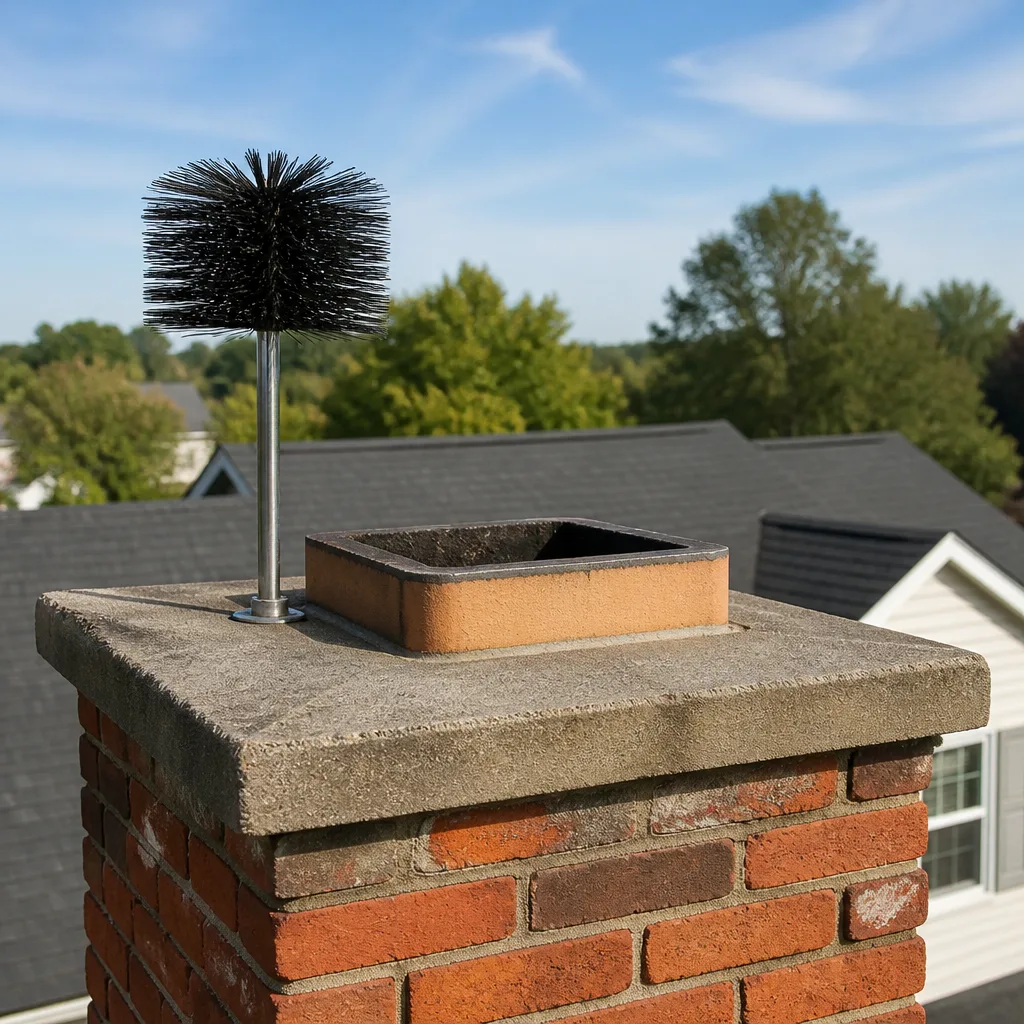 Sweep & inspection
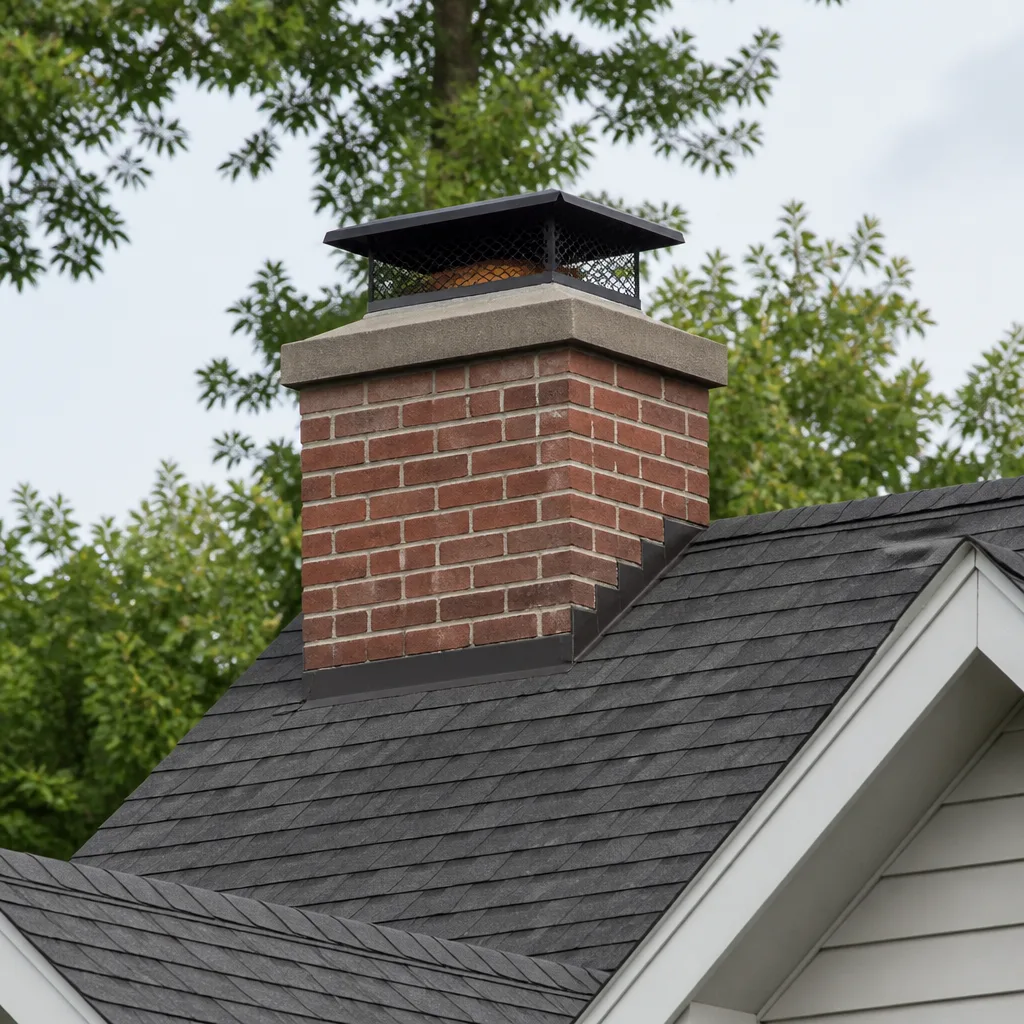 Caps & crowns
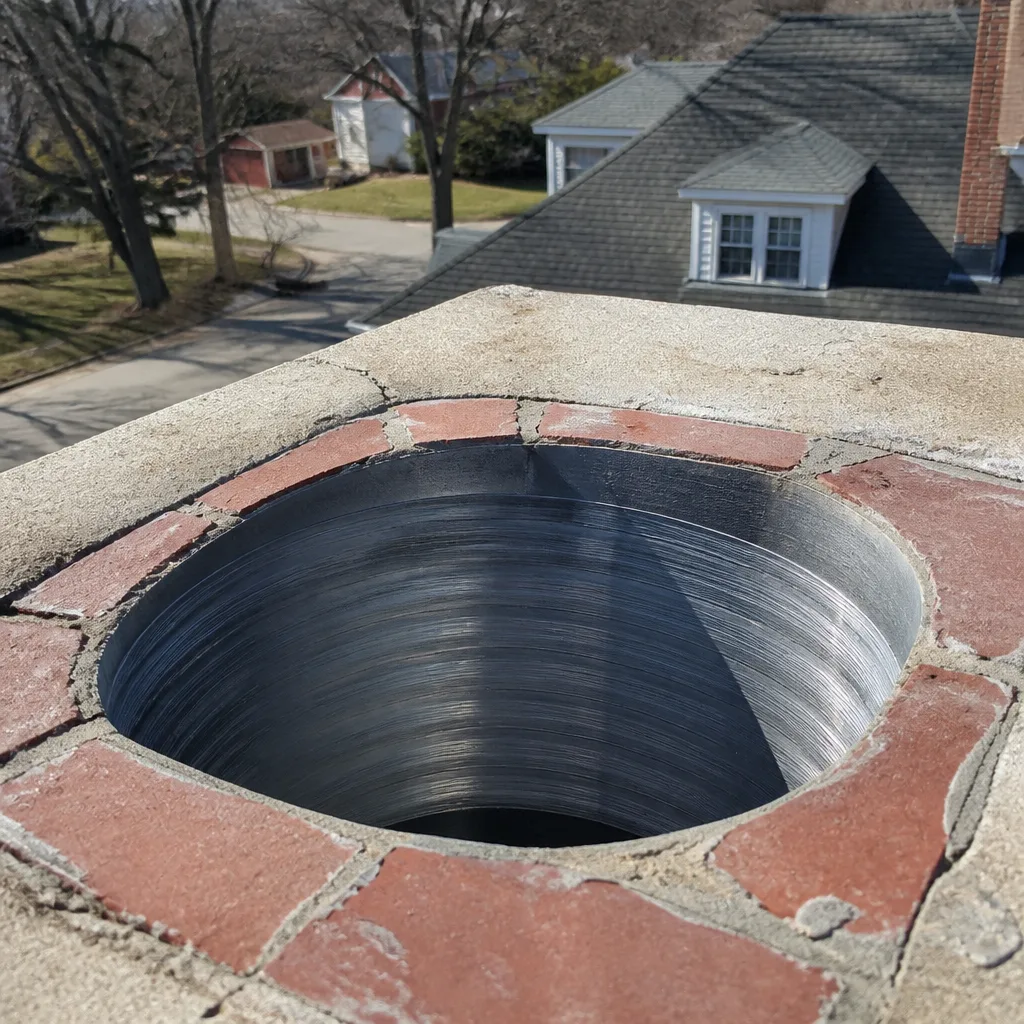 Flue relining
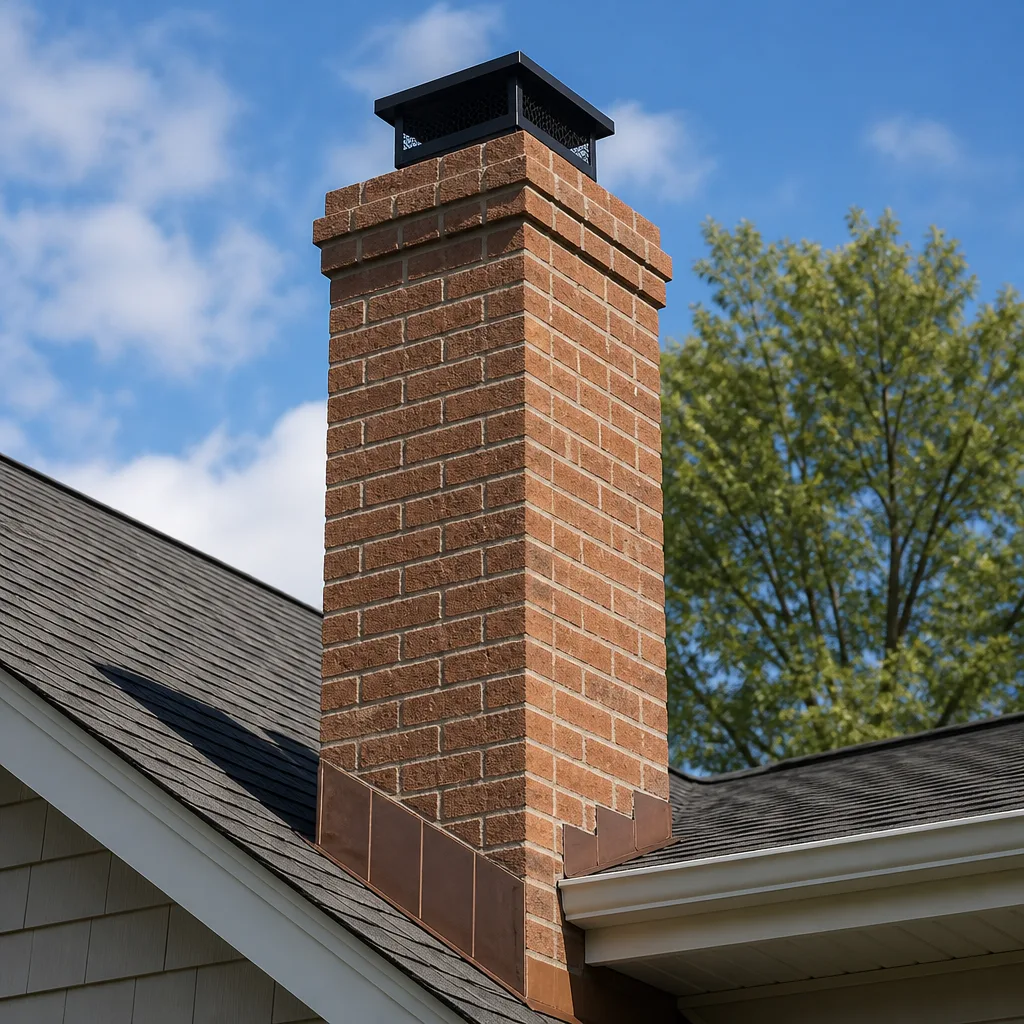 Masonry repair
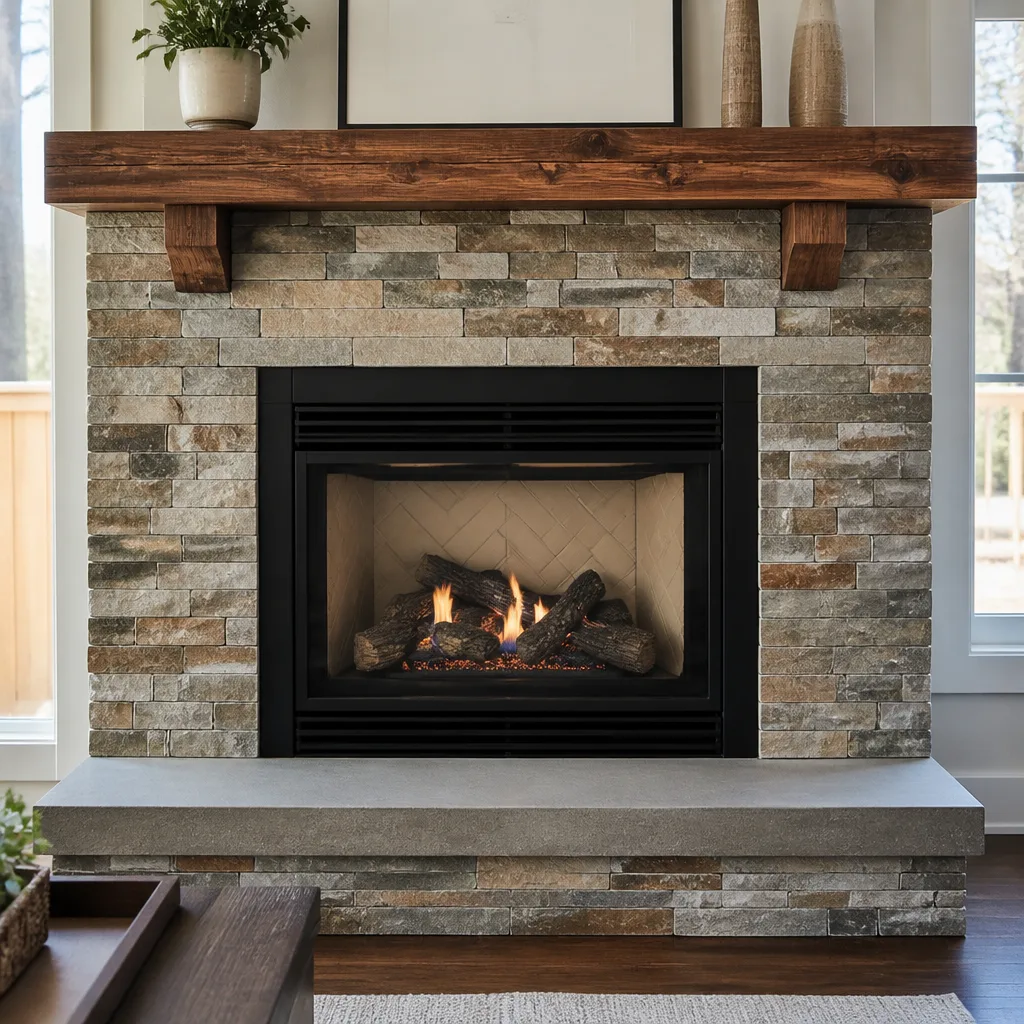 Gas fireplace service
Level 1 sweep and inspection to the NFPA 211 annual standard - flue, crown, cap, and flashing checked and photographed
Chimney sweep logs do not sweep chimneys. They loosen some creosote - which then falls where a brush and vacuum still have to collect it.
Chimney Cleaning Warning Signs: A Chino Hills Homeowner’s Reference Guide
Here’s something most Chino Hills homeowners don’t realize: the most dangerous chimney problems rarely announce themselves with smoke pouring into the living room or a campfire smell drifting through the hallway. They show up quietly. A faint rust-colored stain on the damper plate. A hairline crack in the mortar crown you only notice when you’re up on the roof cleaning gutters. A ceiling discoloration above the firebox that’s so subtle you convince yourself it’s just shadow. By the time a chimney problem becomes obvious, you’re usually looking at a repair that costs four or five times what early intervention would have. This guide covers the early-stage warning signs we’ve learned to recognize working on chimneys across Chino Hills, what each sign actually means structurally, and the specific thresholds where you should stop burning and make a call. For a deeper dive, see our Chimney Sweep Troubleshooting: Common Problems and How to Fix Them.
Quick Answer
The three earliest warning signs of chimney problems in Chino Hills homes are efflorescence (white mineral staining) on interior firebox brick or exterior chase masonry, rust on the damper plate or firebox accessories, and a persistent musty smell when the fireplace isn’t in use. Any one of these indicates moisture intrusion or ventilation failure that, left unaddressed, progresses to liner deterioration, flue obstruction, or structural spalling. If you see white staining, rust, or smell mustiness near your fireplace, schedule a professional inspection before the next burn season.
Styles & brands we work with
- Sweep & inspection
- Caps & crowns
- Flue relining
- Masonry repair
- Gas fireplace service
Table of Contents
- White Staining That Isn’t Just Cosmetic: Reading Efflorescence Correctly
- Why a Clean-Looking Firebox Can Be the Most Misleading Signal
- Smell as a Diagnostic Tool: Three Distinct Odors and What They Indicate
- Roofline Warning Signs You’ll Spot During Gutter Cleaning
- Interior Visual Indicators Most Guides Miss: Damper Rust, Frieze Stains, and Glass Behavior
- Clean and Monitor vs. Stop Burning Now: The Thresholds That Matter
- What’s Actually Happening Structurally When These Signs Appear
- How Chino Hills Climate and Construction Patterns Affect Warning-Sign Timing
White Staining That Isn’t Just Cosmetic: Reading Efflorescence Correctly
Efflorescence is the technical term for the white, chalky mineral deposit that appears on masonry surfaces. It’s not mold. It’s not salt damage from the air. It’s dissolved minerals left behind when water moves through brick, mortar, or concrete and then evaporates. When you see efflorescence on the interior firebox brick or the exterior chase of your Chino Hills home, water is actively migrating through your chimney structure.
The specific location of efflorescence tells you something about where the water is entering:
- Interior firebox walls: Water is entering from above, typically through a cracked crown or failing cap, and migrating down the flue wall until it reaches the firebox. The minerals you’re seeing leached from the mortar joints themselves, which means those joints are degrading from the inside out.
- Exterior chase below the roofline: On wood-framed chases (common in Chino Hills homes built after 1990), efflorescence or staining below the roofline suggests the chase cover or the flashing at the roofline junction is failing. Water is running down the inside of the chase and wicking out through the masonry veneer.
- Frieze board or ceiling staining above the firebox: This is hydrostatic pressure pushing moisture through the masonry assembly, and it’s usually one of the later-stage indicators. The water has been traveling through the system long enough to saturate substrate materials.
One detail worth noting for Chino Hills specifically: our summer monsoon systems deliver brief, intense rainfall against chimney structures that have been baking in 95-degree heat for weeks. That thermal shock cycle, hot masonry suddenly hit by cool water, accelerates mortar joint cracking more than the steady drizzles coastal areas get. If you’re seeing efflorescence appear or worsen after summer thunderstorm activity, that’s confirmatory evidence of water entry near the top of the system.
Chimney repair in Chino Hills starts with identifying where water is entering, not just cleaning the stain off the surface. Cosmetic cleaning buys you a few months of clean brick and gives the water more time to do structural damage behind the scenes.
Why a Clean-Looking Firebox Can Be the Most Misleading Signal
We hear it regularly from Chino Hills homeowners: “The fireplace looks fine from the hearth. The bricks are clean. There’s a little dust, but nothing crazy.” And in many of those same homes, the flue inspection reveals Stage 2 or Stage 3 creosote accumulation, smoke chamber buildup, or a partial obstruction the homeowner had no visual access to.
Here’s what’s happening. The firebox, which is the chamber where you actually build the fire, operates at the highest temperature point in the system. That heat keeps creosote from condensing on firebox walls. The creosote forms further up, in the flue, where combustion gases have cooled enough for tar and soot to condense onto the liner surface. In the smoke chamber, which sits between the firebox and the flue and remains invisible to almost every homeowner, creosote can accumulate into thick, glazed layers.
This matters because creosote classification drives urgency:
- Stage 1 creosote is flaky soot that brushes away during a standard sweep. It’s the normal byproduct of wood combustion and needs regular removal, nothing more.
- Stage 2 creosote is the crunchy, tar-like layer that requires more aggressive mechanical removal. It builds up when fires run cooler than optimal, which happens a lot in Chino Hills because homeowners often burn smaller fires in shorter sessions during the shoulder seasons.
- Stage 3 creosote is the glazed, hardened layer that binds to the flue wall and becomes both a fire risk and a removal challenge. It also corrodes some liner materials over time.
The practical takeaway: you cannot assess creosote level by looking at your firebox. A professional sweep includes a visual inspection of the entire flue path, and if you have Stage 3 glazing, the recommended fix may go beyond sweeping. Use our Chimney Sweep Maintenance Checklist for Chino Hills Homeowners to stay ahead of this. In our experience, homes that have gone 3+ years without a sweep, regardless of how often the fireplace was used, are the ones most likely to have Stage 2 or 3 accumulation hiding above a clean-looking firebox.
If you’re looking for a Chimney Sweep in Chino Hills who’ll show you what’s actually in the flue before recommending work, that camera-verified transparency is the standard homeowners should expect.
Smell as a Diagnostic Tool: Three Distinct Odors and What They Indicate
Your nose is one of the most reliable diagnostic instruments you have when it comes to chimney health. But the key is distinguishing between the three distinct smells that indicate three different underlying problems. Most guides lump them together as “fireplace odor” and tell you to clean. That’s not specific enough to be useful.
The Musty, Damp-Basement Smell
This is moisture. When you smell it near the fireplace in the summer, when the chimney hasn’t been used in months, water is somewhere in the system. In Chino Hills, the most common entry point is the chimney crown. A crown that’s cracked or lacks proper overhang lets water seep into the brick and mortar. That moisture sits in the flue, soaks into smoke chamber walls, and the musty smell travels down into the living space. This smell is often strongest on humid mornings because the moisture in the masonry is being drawn to the surface.
The Sharp, Acrid, Slightly Sweet Creosote Smell
This one often gets described as “like a wood stove that’s been closed up too long.” It’s strongest after a fire has been burning, then dies down. The heat from the fire warmed the creosote deposits in the flue, the deposits softened, and the volatile compounds are off-gassing back down into the room. This smell specifically indicates creosote buildup. If it’s sharp and persistent, even after the firebox has cooled, you’re likely dealing with Stage 2 or 3 accumulation.
The Smoky Campfire Smell When the Fireplace Isn’t Running
This is a negative-pressure issue. The chimney is acting as a passive air intake, pulling air down from the flue and into your home. It happens most often on windy days or when you’re running exhaust fans, the dryer, or the HVAC system in a tight house. The smell isn’t from active creosote deposits, it’s from the residual combustion byproducts lining the flue walls being pulled backwards. The fix is usually a combination of a sweep to remove the smelly residue and potentially a damper upgrade or cap adjustment to manage airflow.
If you can describe the smell accurately when you call a chimney company, the diagnosis speeds up. “Musty” points toward water. “Sharp and sweet” points toward creosote. “Campfire on a windy day” points toward airflow.
Roofline Warning Signs You’ll Spot During Gutter Cleaning
Chino Hills homeowners get a free chimney inspection opportunity every time they’re up on the roof. Whether you’re clearing leaves from your gutters in the fall, checking for wind damage after Santa Ana events, or up there putting up holiday lighting, the top of your chimney tells a story. Here’s what to look for, in order of urgency.
- Spalling brick or flaking mortar on the crown. The crown is the concrete slab at the very top of the chimney, and its entire job is shedding water. When it develops small cracks, water gets into the masonry below it. Spalling, which is brick face flaking off, happens after freeze-thaw cycles push water trapped in the brick outward. In Chino Hills, we don’t get many freeze-thaw cycles, but we do get dramatic temperature swings between hot days and cool nights, and those cycles produce similar stress.
- Cap displacement or missing cap. The chimney cap sits above the flue opening and keeps out rain, animals, and debris. If the cap is loose, tilted, or missing entirely, the flue is wide open to everything. A missing cap is a “stop using immediately” situation because bird nests, leaves, and the occasional Chino Hills squirrel will find their way in, and those become flue obstructions.
- Flashing gaps at the roofline junction. The flashing is sheet metal that connects the chimney to the roof covering. When flashing pulls away or develops gaps, water runs down the outside of the chimney structure. This causes roof deck damage around the chimney, which you’ll usually see as ceiling staining inside the home near the fireplace wall. Flashing failure is one of the most common water intrusion sources we see in Chino Hills homes built before 2005.
- Mortar joint deterioration visible from the ground. Get a pair of binoculars and look at the mortar lines. If you can see gaps where mortar should be, or if the mortar crumbles when you run a finger along it, the chimney structure is losing integrity. Not urgent, but definitely a monitor-and-plan situation.
When you’re doing your annual gutter cleaning, take five minutes to walk over to the chimney and look at these four things. Write down what you see, take photos on your phone, and if anything looks off, get it looked at before you plan your first fire of the season.
Interior Visual Indicators Most Guides Miss: Damper Rust, Frieze Stains, and Glass Behavior
Most warning-sign guides start and end with “smoke in the room” and “soot on the walls.” Those are late-stage, obvious indicators. Here are the subtle interior visual signals that precede them, often by years.
Rust on the Damper Plate
Look up into the firebox at the metal damper. Rust on the plate tells you three things: moisture is present in the flue, that moisture has been present long enough for oxidation to occur, and the damper assembly itself is weakening. A rusted damper eventually won’t seat properly when closed, which lets conditioned air escape and outside air enter. In a Chino Hills summer, a rusted damper that won’t fully close is costing money on your cooling bill and feeding a moisture-exchange cycle in the flue.
Staining at the Firebox Opening
Run your hand along the top edge of the firebox opening, on the underside of the lintel and the surrounding face brick. Slight discoloration, particularly if it’s a yellowish or brownish tint, means smoke and heat are escaping around the firebox edge instead of drafting up the flue. This is a draft or sizing issue, and it usually shows up in older Chino Hills homes where the original firebox was designed differently than the current usage pattern.
Glass Door Behavior (if you have glass doors)
Glass fireplace doors are a canvas for diagnostic information. If the glass gets blackened after a fire more quickly than it used to, the fire isn’t drafting efficiently. If the glass shows persistent condensation on the inside when the fireplace isn’t in use, moisture is trapped in the firebox or flue. If the glass is cloudy or hazy, the inner surface may be etched from the byproducts of a fire that burned too cool. Any persistent glass change is a signal to evaluate the system’s airflow and moisture management.
These interior indicators exist alongside the more visible exterior ones, and taken together, they give a pretty complete picture of chimney condition before you ever inspect the flue itself.
Clean and Monitor vs. Stop Burning Now: The Thresholds That Matter
Every warning sign falls into one of two categories. Knowing which category you’re in prevents both unnecessary worry and unsafe complacency.
Clean and Monitor
- Flaky Stage 1 creosote visible after a sweep.
- Light efflorescence on one or two brick faces, with no active dripping or interior staining. Monitor seasonally and plan for crown or cap assessment within 12 months.
- Minor cap rust with no through-holes. Functional for now, budget for replacement within a season or two.
- Hairline crown cracks under 1/16 inch with no spalling. Sealable, not urgent, but don’t let it go more than a year.
Stop Using the Fireplace Immediately
- Active water dripping into the firebox or visible water pooling in the firebox floor. You have an open path for water into the system and likely significant loose masonry above.
- Displaced or missing cap, especially after wind events. The flue is exposed to animal entry and debris.
- Visible flue obstruction of any kind. A bird nest, collapsed debris, or animal intrusion in the flue can redirect carbon monoxide into the living space.
- Strong, persistent creosote odor that doesn’t dissipate after fires. This indicates Stage 3 accumulation and elevated chimney fire risk.
- Smoke entering the room during normal operation, or visible smoke escaping around the firebox face. This is a draft or flue blockage issue and demands immediate attention.
If you’re in the second category, don’t light another fire until you’ve had the system inspected. If you’re in the first category, schedule the work on your calendar and don’t let a minor issue silently graduate into a major one.
What’s Actually Happening Structurally When These Signs Appear
Understanding the mechanism helps you take the right action and not the wrong one. Here’s the sequence, in order, for the two main failure modes we see across Chino Hills chimneys.
Water Intrusion Sequence
- A small crack develops in the crown, or the cap flashing loosens.
- Water enters the masonry layer between the clay flue liner and the brick exterior.
- That water saturates the mortar, and the mortar begins to break down, releasing mineral salts that migrate to the surface as efflorescence.
- As mortar joints weaken, the brick begins to separate slightly, letting more water in.
- The clay flue liner, which was protecting the structure from heat and combustion gases, begins to degrade because water weakens clay tile over time and the liner cracks.
- Once the liner is compromised, smoke and combustion gases can enter the masonry cavity and find paths into the home or attic.
Water intrusion doesn’t just make things ugly. It creates the condition where a relatively inexpensive chimney repair in Chino Hills becomes a full liner replacement. And liner replacement is where brands like DuraFlex and HeatShield enter the picture. A DuraFlex flexible liner system can reline a chimney with a complex or damaged flue path without knocking down brick. HeatShield resurfacing can repair a damaged clay liner without full replacement when the damage is moderate. These are the materials professional chimney contractors across the country use for exactly these situations, and they’re available in Chino Hills through companies that carry professional-grade product lines rather than big-box substitutes.
Creosote Accumulation Sequence
- Combustion gases cool too quickly in the flue, often because the flue is oversized for the fire or the fire burns too cool.
- Tar droplets condense on the flue wall.
- With repeated fires, those droplets build into Stage 2 accumulation.
- If the chimney isn’t swept, Stage 2 hardens into Stage 3 glaze.
- Stage 3 creates a chimney fire risk and also restricts the flue diameter, which worsens draft, which in turn creates more creosote in a self-reinforcing cycle.
In a Chino Hills home where the fireplace gets used twice a week from November through February, this accumulation cycle can reach Stage 2 in two seasons without sweeping. That timeline shortens if the wood isn’t properly seasoned, which is common because Chino Hills residents don’t all have covered wood storage areas that get the dry, hot summers inland areas do.
How Chino Hills Climate and Construction Patterns Affect Warning-Sign Timing
Chino Hills has a specific climate profile that shapes chimney maintenance needs differently than coastal or mountain communities. We get hot, dry summers, warm autumns with occasional Santa Ana wind events, and mild winters with the occasional cold snap. That profile creates three distinct impacts on chimney systems.
First, the summer heat bakes masonry and any moisture in it. When rain arrives, especially in the form of sudden heavy downpours during monsoon season, the thermal shock accelerates mortar cracking. Homes in Chino Hills that are 15-20 years old are hitting the point where original mortar joints are starting to show this wear more visibly. The warning signs of water intrusion appear earlier in a chimney’s lifespan here than in more temperate climates.
Second, our Santa Ana wind events stress caps and chase covers that are already marginally secure. A cap that’s been loose for six months will get noticed after a Santa Ana event because it’s visibly displaced. If you walk your property line after a wind event, glance at the chimney. It takes thirty seconds and catches cap displacement early.
Third, many Chino Hills homes were built in the 1995-2005 construction boom. The chase construction common in that era, wood framing with a masonry veneer, is more prone to hidden water intrusion than a full masonry chimney. The telltale sign on these homes is ceiling staining above the fireplace, which appears before the exterior masonry shows obvious damage. If your Chino Hills home falls in that construction window, give extra attention to the interior visual indicators listed above.
For a full system evaluation, you want a provider who addresses the whole scope. Chimney Sweep Chino Hills home services cover sweep, repair, and dryer vent cleaning in Chino Hills, which means one appointment can cover multiple fire-safety systems in your home. Dryer vents are a separate system, but homes that have neglected their chimney maintenance for years show similar neglect patterns on dryer vent lines, and both are addressable in a single visit.
Common Mistakes to Avoid
- Assuming a clean firebox means a clean system. Creosote accumulates in the flue and smoke chamber, not the firebox. You can’t see the part that matters without a professional inspection.
- Ignoring efflorescence because “it’s just cosmetic.” Efflorescence is mineral evidence of active water migration. Cleaning it off does nothing to stop the water entry, and the underlying mortar deterioration continues behind the scenes.
- Burning green or wet wood because it’s what’s available. Chino Hills doesn’t have the same wood-seasoning culture as mountain communities, and burning wet wood accelerates creosote accumulation dramatically. Season your wood for at least six months, ideally a full year.
- Waiting for the smell to get bad before calling. By the time the creosote odor is persistent and strong, you’re likely looking at Stage 3 accumulation. The cost and risk are both higher.
- Trusting a sweep-only company to tell you about structural issues. Many Chino Hills homeowners get a basic sweep from a technician who can’t see or evaluate the liner, crown, and cap. A sweep without a full system inspection leaves the most expensive problems undiscovered.
- Putting off a small water intrusion issue because it’s summer. The water doesn’t care what season it is. Summer is actually the best time to address chimney water issues in Chino Hills because the masonry is dry and crack repair materials set more reliably.
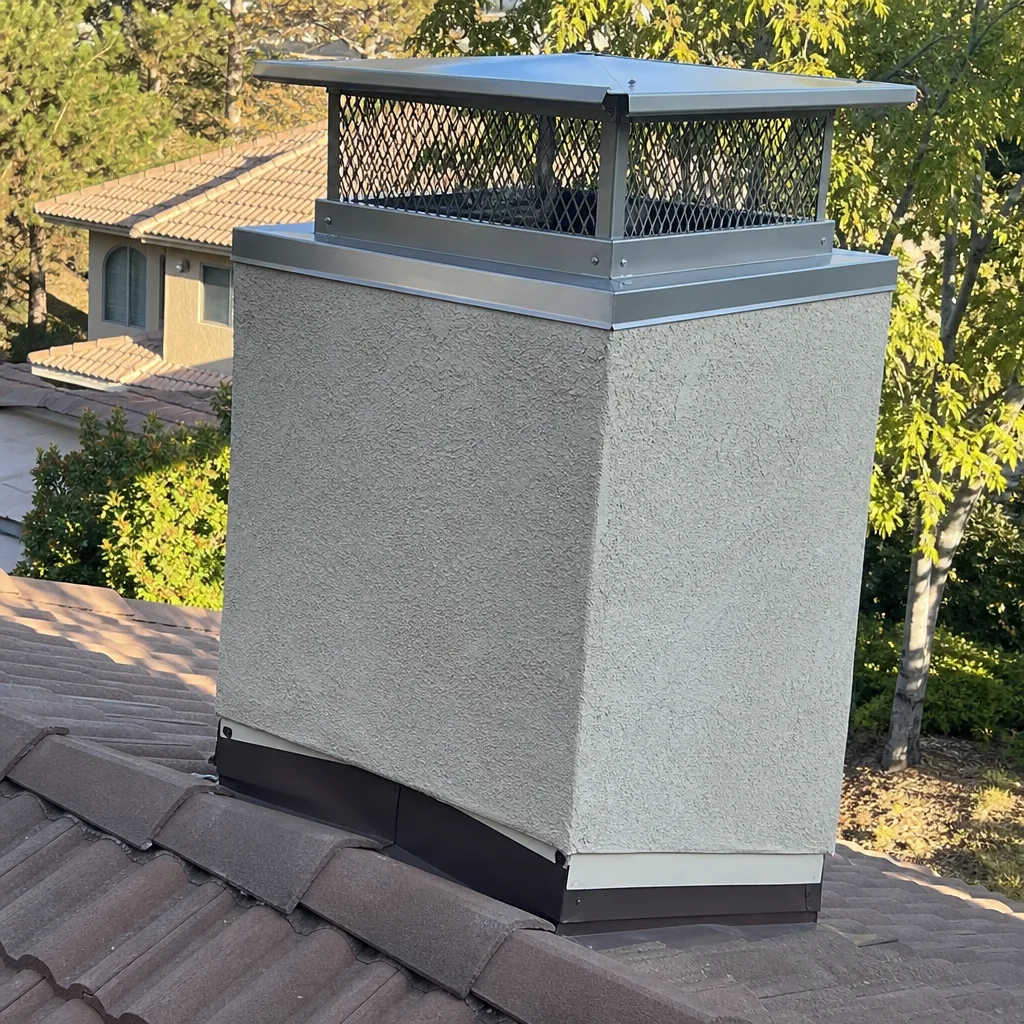
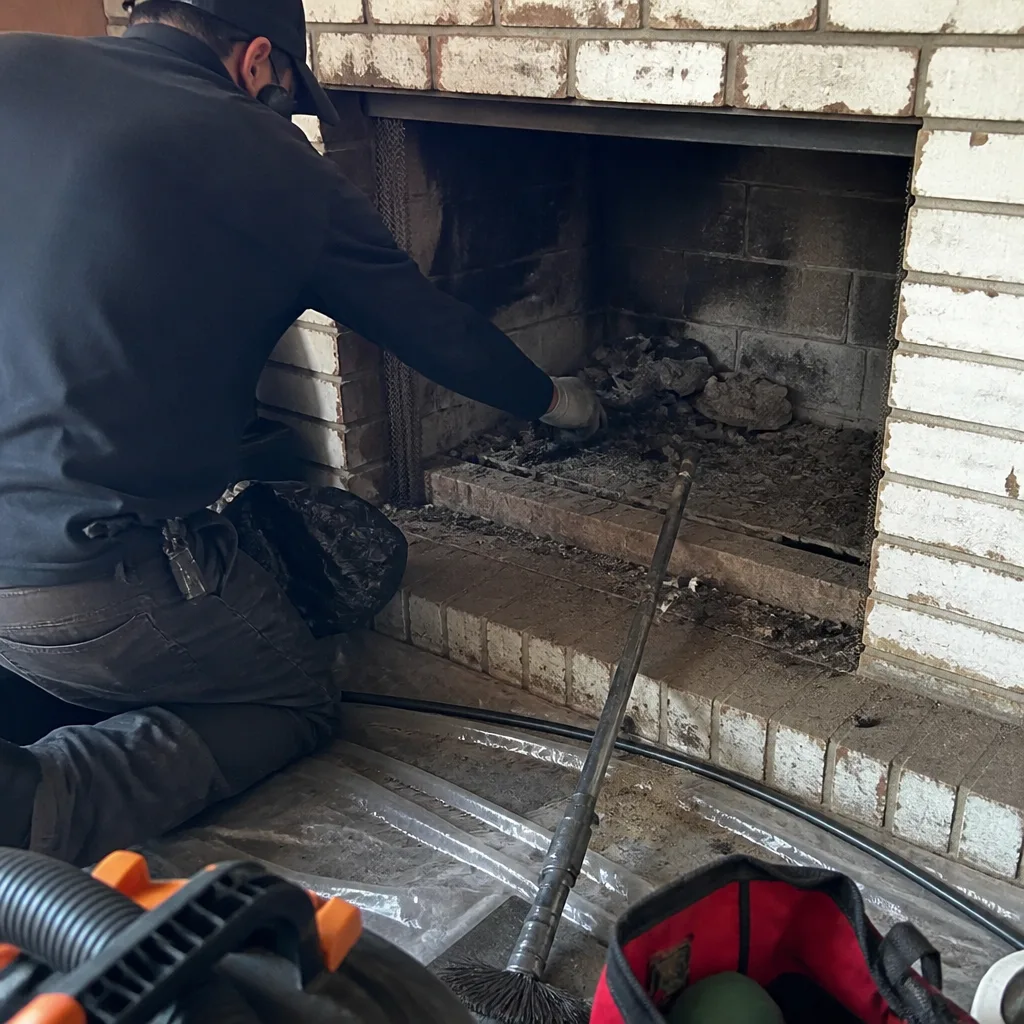
See the difference
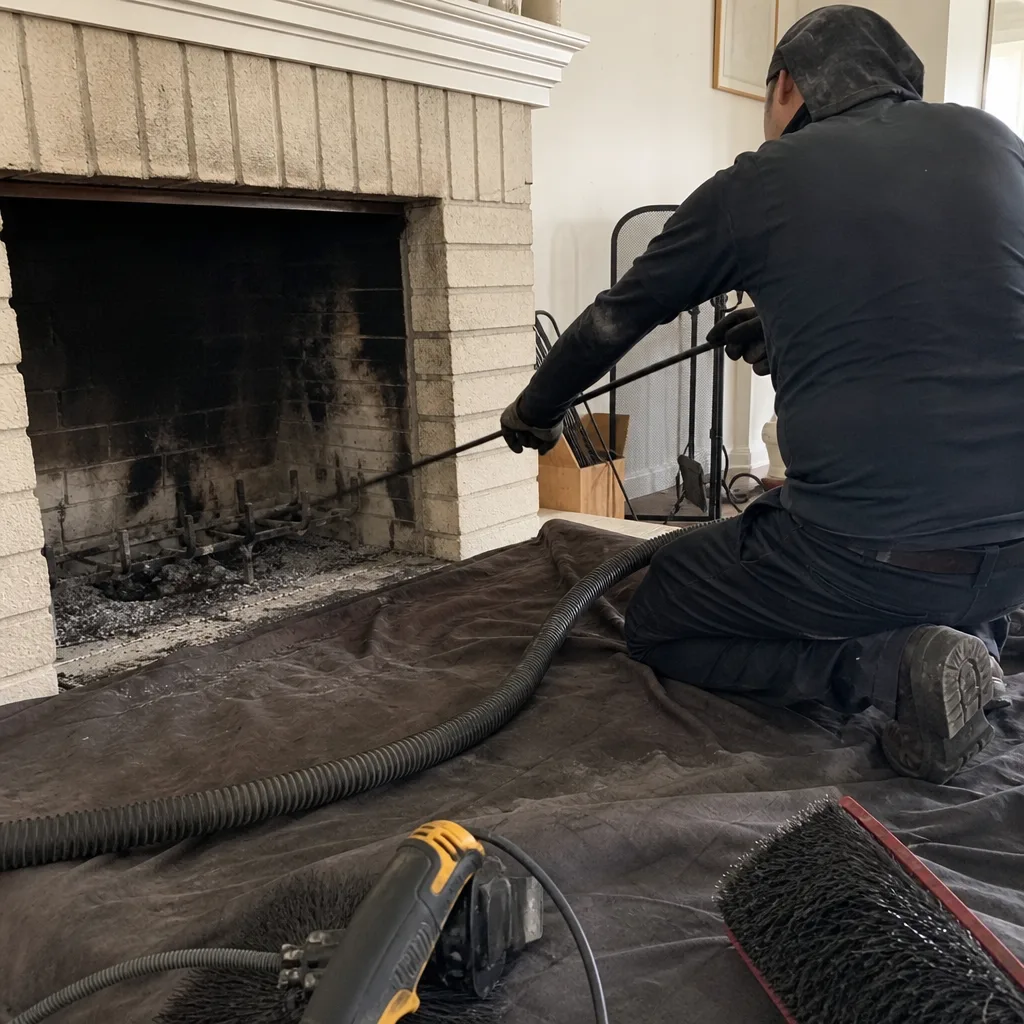 Before
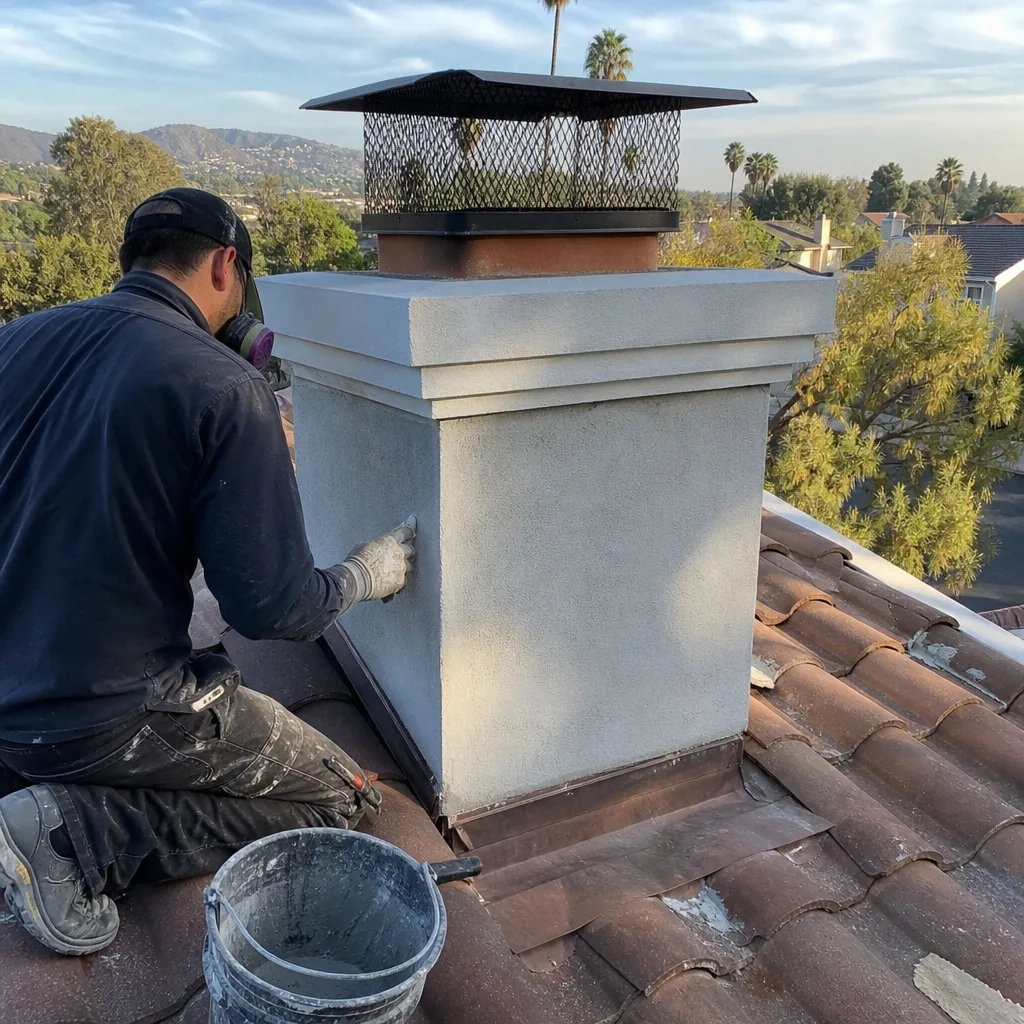 After
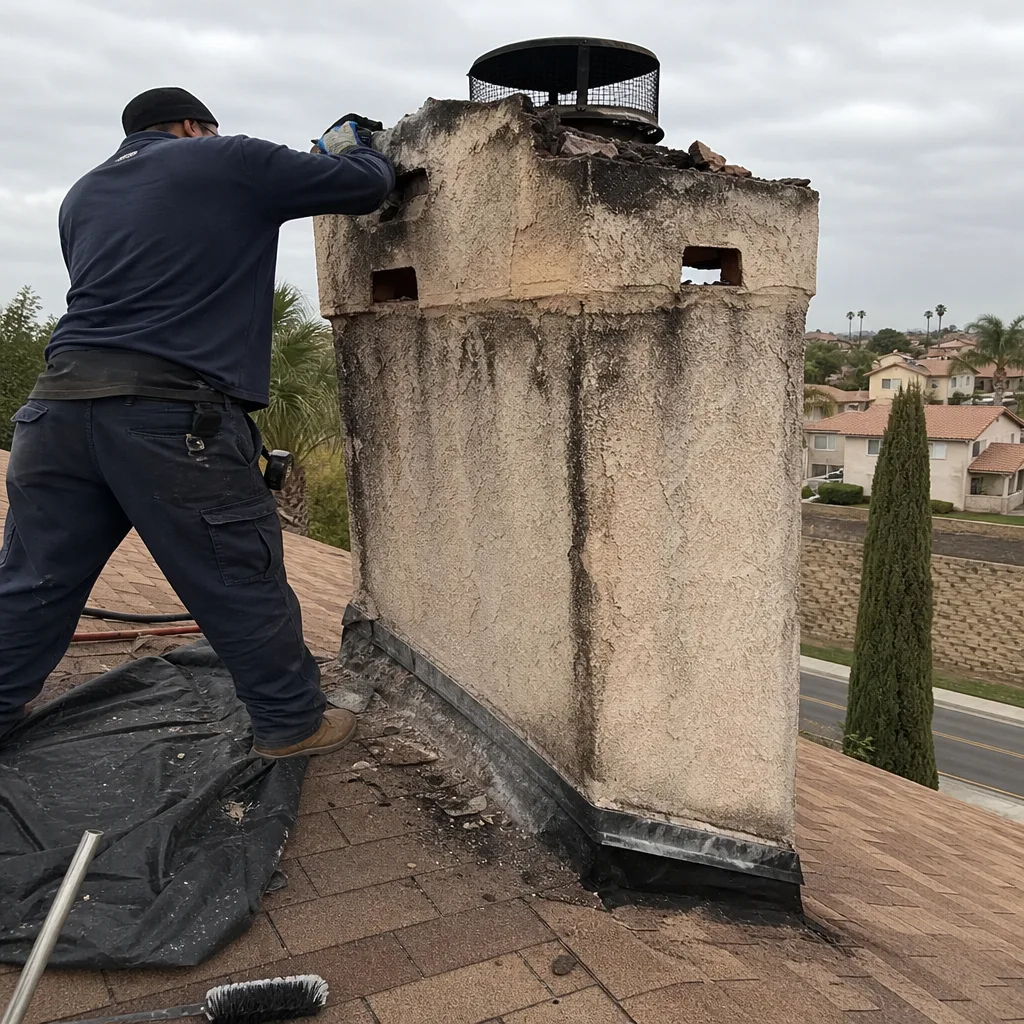 Before
 After
 Before
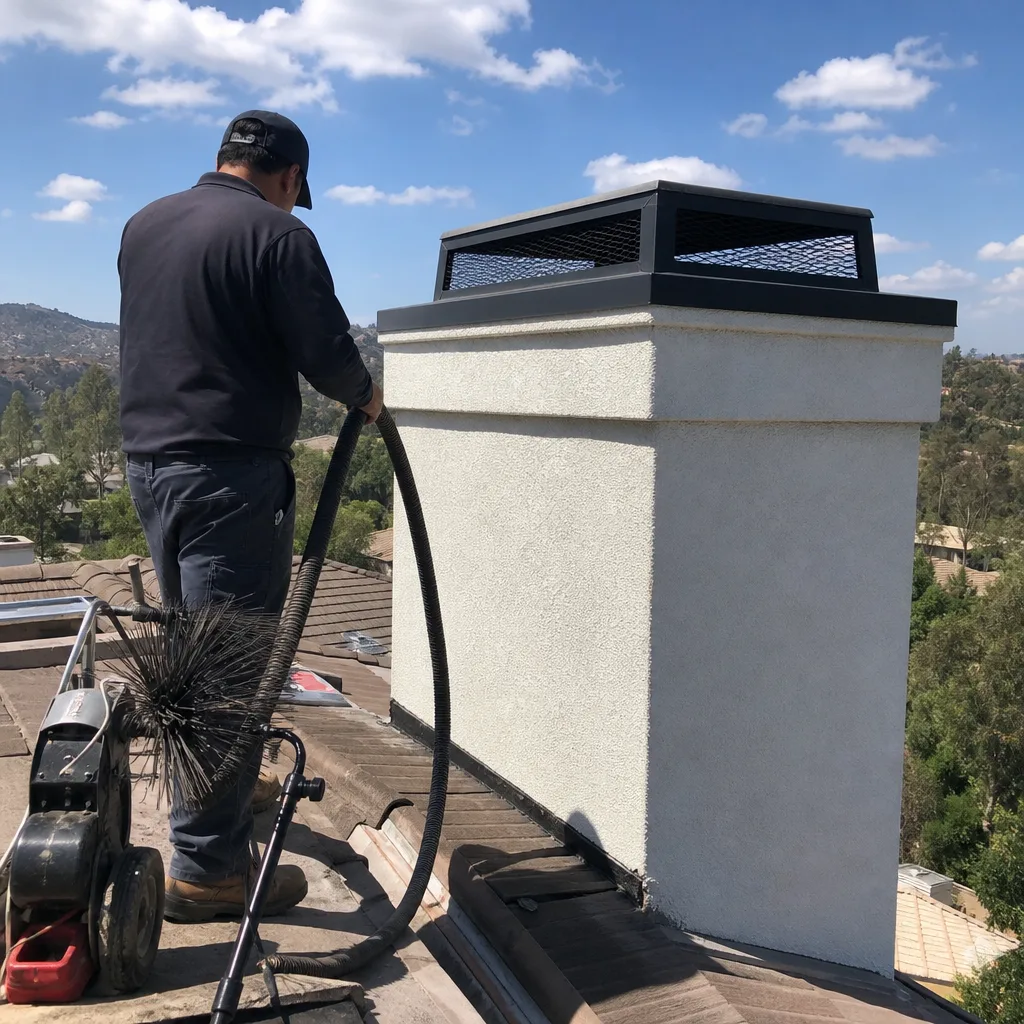 After
When to Call a Professional
Call a professional if you’ve identified any of the stop-burning indicators above, if you’re seeing water staining near the firebox that can’t be explained, if your chimney hasn’t been inspected in two or more years, or if you’ve recently moved into an older Chino Hills home and want a documented baseline on chimney condition. Rental property owners and real estate agents doing transaction inspections also benefit from a documented camera inspection that shows exactly what’s in the flue. The standard should be: sweeps that include visual verification of the entire system, not just the firebox.
Chimney Sweep Chino Hills offers free estimates in Chino Hills – call (877) 358-0941 to schedule. We show you what we find before we recommend what to fix.
Frequently Asked Questions
A standard chimney sweeping in Chino Hills typically runs between $180 and $340 depending on the flue condition, the amount of creosote accumulation, and whether it’s a standard open fireplace or a prefab unit with different access requirements. Stage 2 or Stage 3 creosote removal, which requires more aggressive mechanical work, costs more. The sweep should include a camera inspection of the flue and a report on what was found, not just a brush pass. For an exact quote, call (877) 358-0941 and describe your fireplace type and last sweep date.
The National Fire Protection Association standard is to have your chimney inspected annually and swept when creosote accumulation reaches 1/8 inch or more. For most Chino Hills homeowners who burn regularly during the November-through-February season, an annual sweep is the right cadence. Homes that burn every weekend or burn softer woods may need twice-a-season attention. If you use the fireplace rarely, an annual inspection still matters because animals and debris can enter the flue even when the fireplace sits idle.
Creosote accumulates in stages, and the longer it sits, the harder it glazes and the more expensive removal becomes. Stage 3 glazed creosote is both a chimney fire risk and a removal challenge that often requires chemical treatment plus mechanical abrasion. Water intrusion that goes unaddressed leads to liner degradation, and a cracked clay liner is the tipping point where the repair scope jumps from crown sealing to full liner replacement. The longer the delay, the closer you get to that threshold.
A cracked clay liner can’t protect the chimney structure from heat and combustion gases, which is its entire job. That said, not every cracked liner means full replacement. Moderate liner damage can sometimes be addressed with HeatShield resurfacing, which repairs the existing clay liner without demolition. More extensive damage or compromised flue paths may call for a DuraFlex flexible liner system that relines the chimney completely. We’ll show you the camera footage of the liner condition and walk through the repair options with that evidence in hand. Call (877) 358-0941 for a free estimate.
The musty smell itself isn’t dangerous, but it’s an indicator of water intrusion that will become a structural problem if not addressed. Moisture in the flue accelerates mortar breakdown and liner degradation, and the same water entry point that causes the musty smell now can cause spalling, flashing failure, and ceiling damage within a few seasons. Treat the musty smell as an early warning, not a nuisance odor, and get the water entry point identified and sealed.
Yes, and doing both in the same visit saves scheduling time and gives you a complete fire-safety picture of the home. Dryer vent clogs are the leading cause of residential dryer fires, and homes that have deferred chimney maintenance often have the same lint buildup pattern in the dryer exhaust line. Scheduling both services together means one call, one appointment window, and both fire-risk systems documented in the same visit.
The Bottom Line
Chimney warning signs in Chino Hills follow a pattern: water enters where it shouldn’t, creosote accumulates where you can’t see it, and the visible signals are subtle until they’re suddenly expensive. Efflorescence, damper rust, persistent mustiness, and roofline deterioration are all early warnings that something is happening structurally. The homeowner’s job is to read those signals and act while the fix is still modest. The professional’s job is to show you what’s actually in the flue, explain which category you’re in, and fix what needs fixing without inventing problems. Sweep. Inspect. Repair. One company, one call. For more guides & resources, visit our blog.
Written by the team at Chimney Sweep Chino Hills, serving Chino Hills since 2017.