
Last updated November 2, 2026
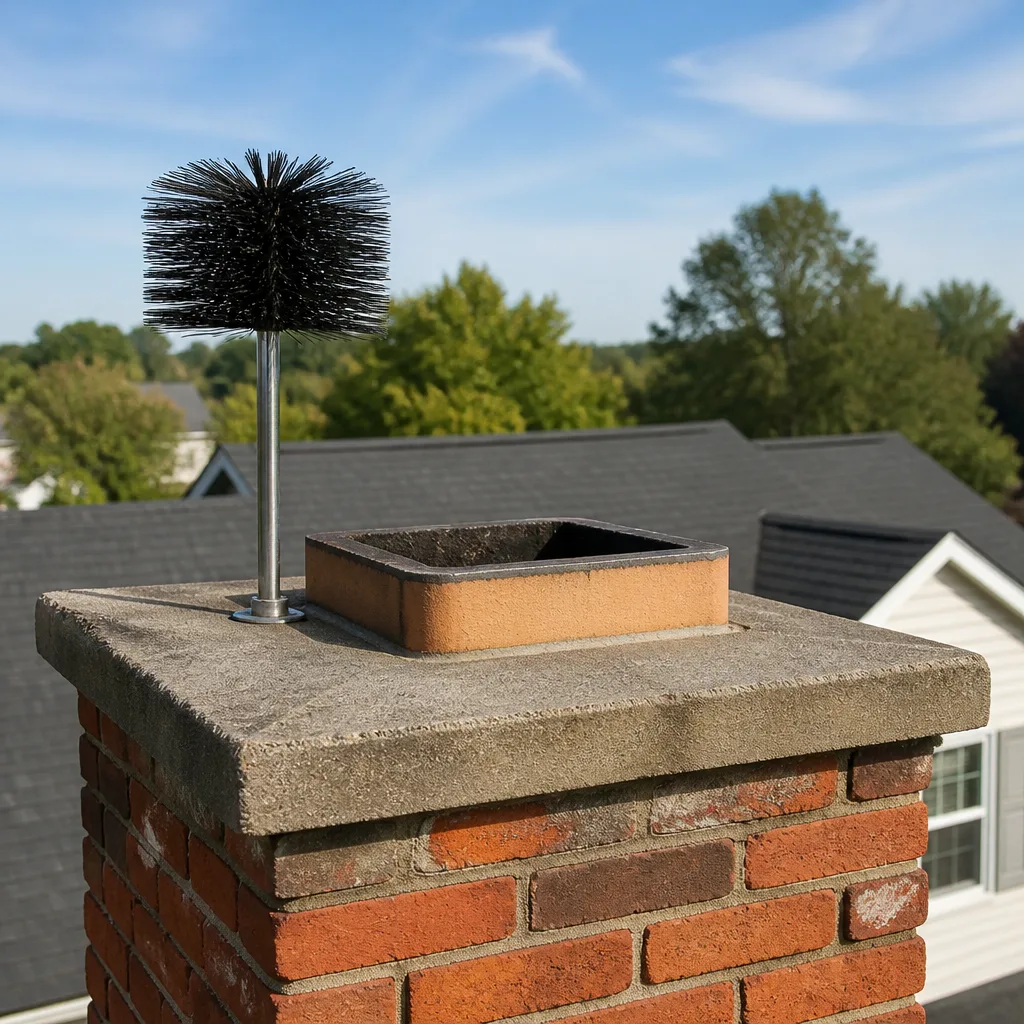 Sweep & inspection
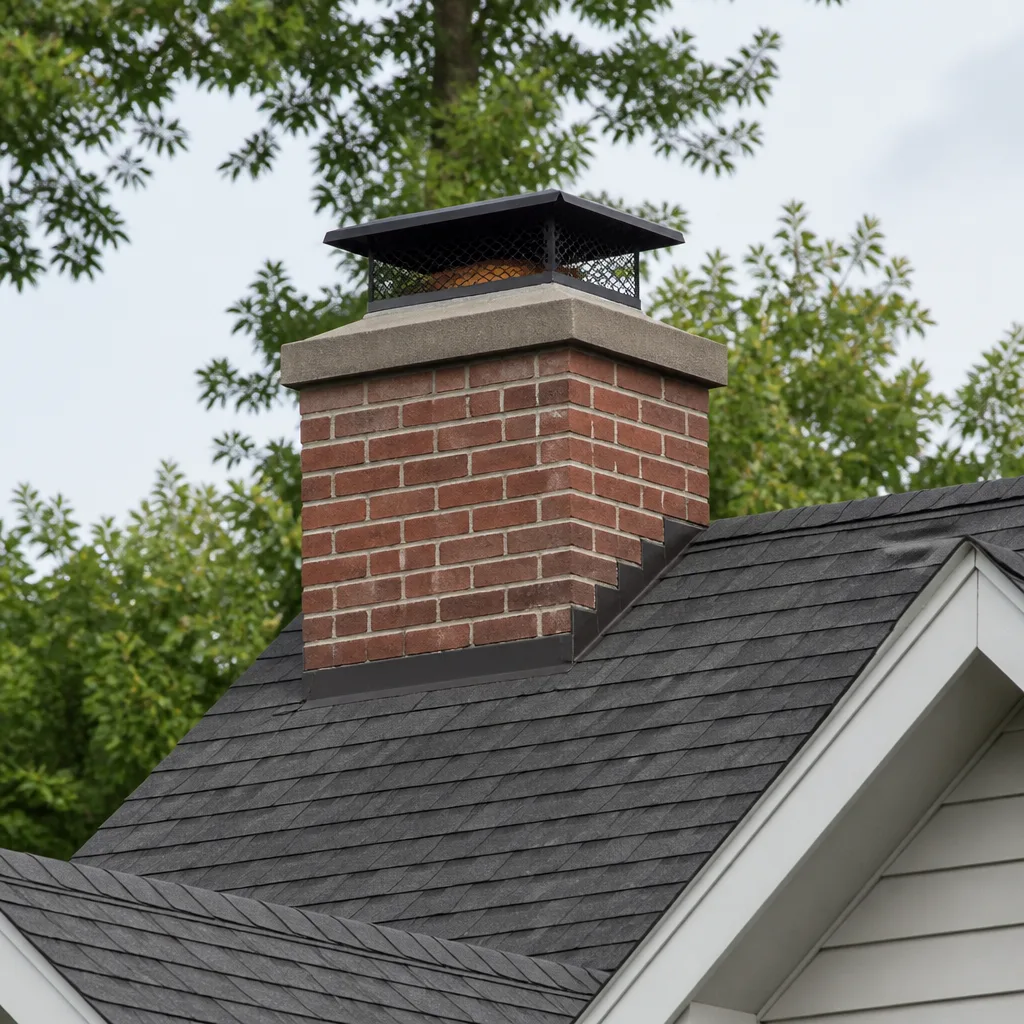 Caps & crowns
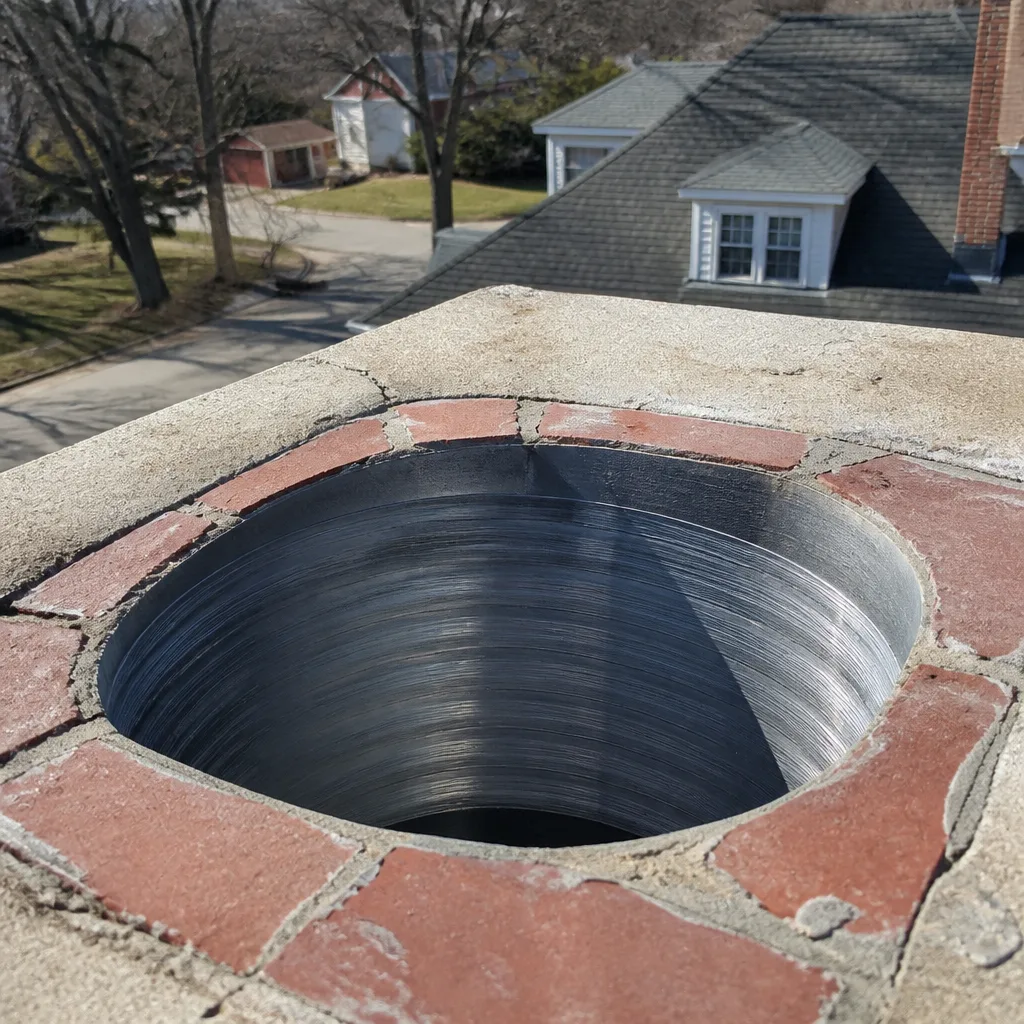 Flue relining
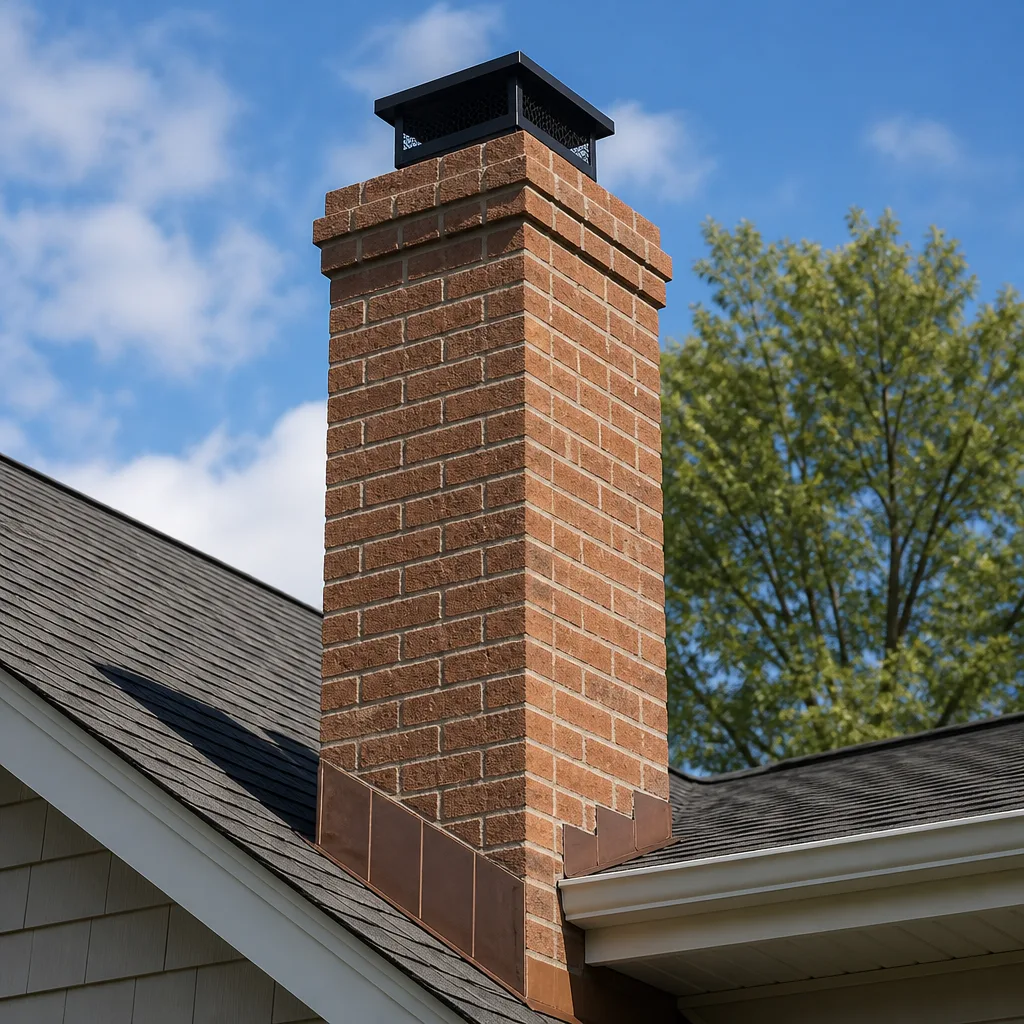 Masonry repair
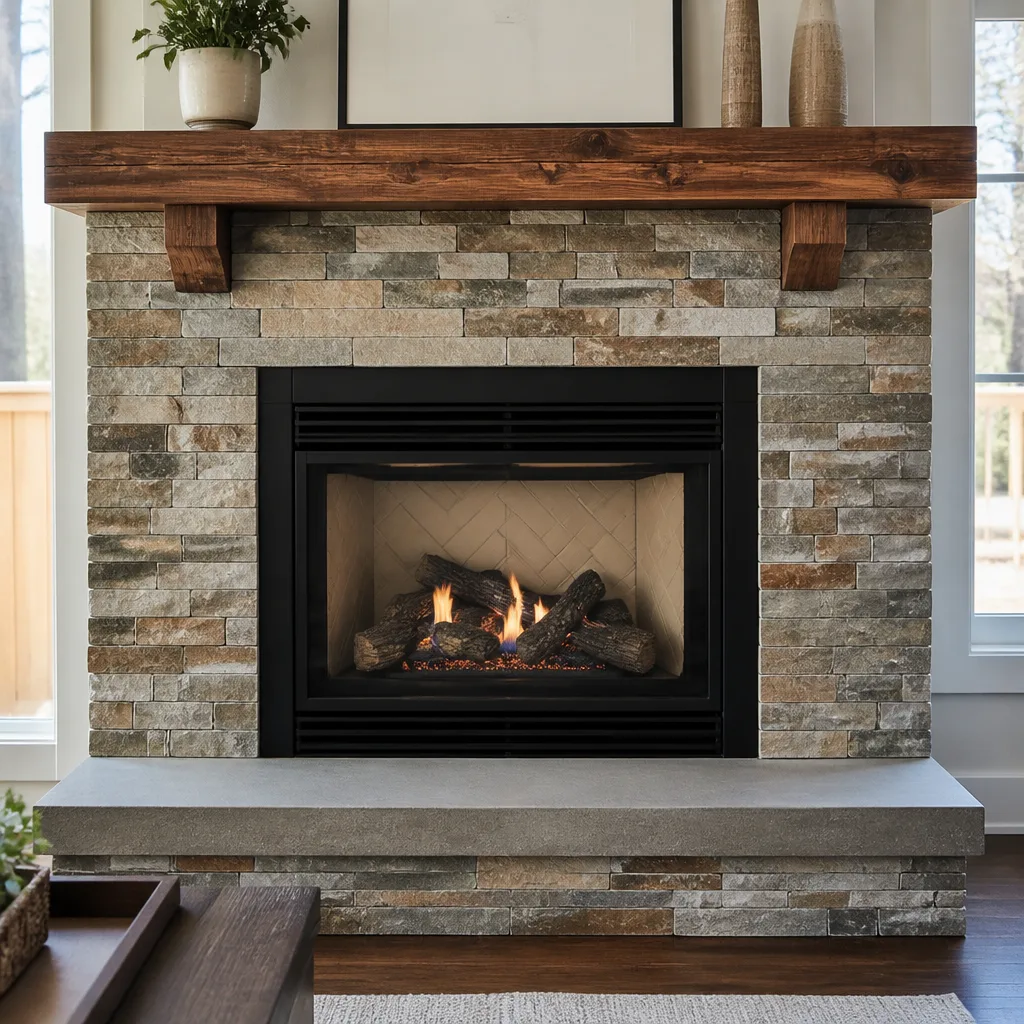 Gas fireplace service
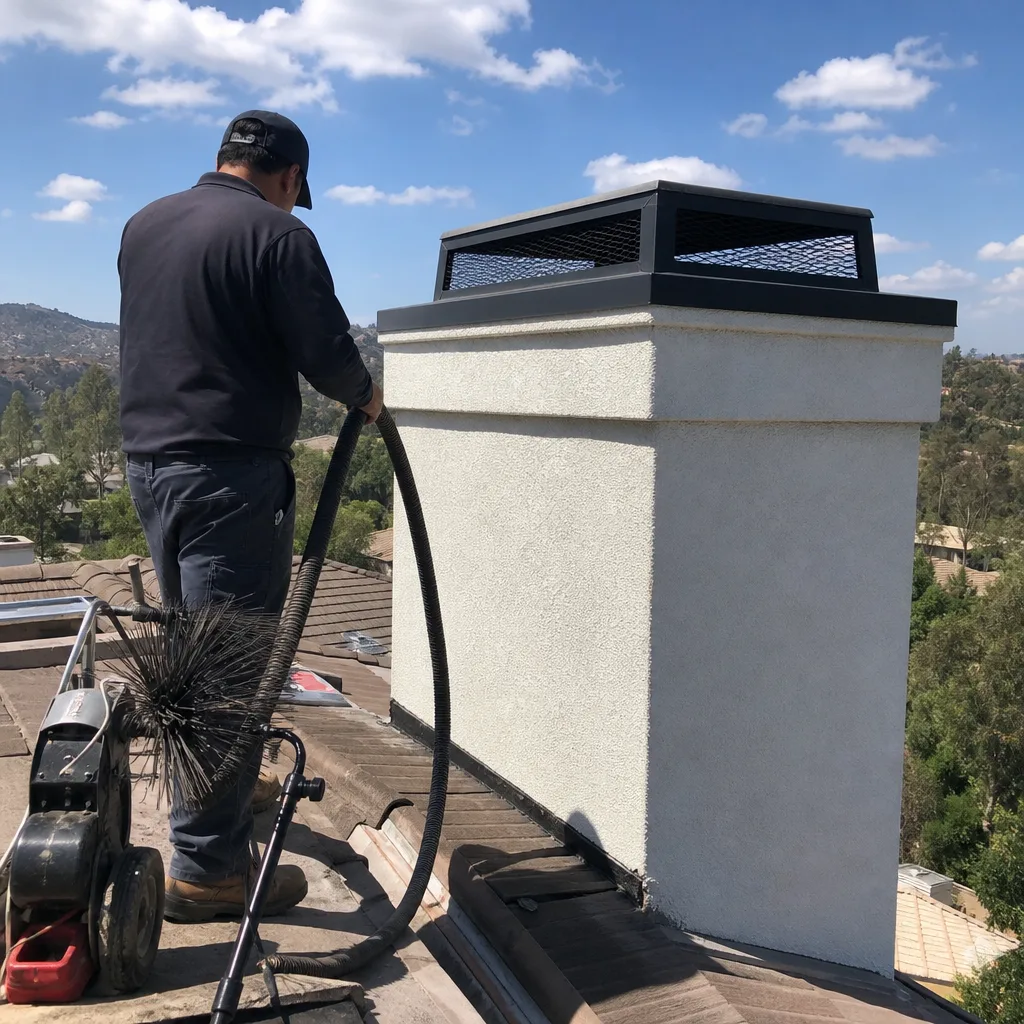
Level 1 sweep and inspection to the NFPA 211 annual standard - flue, crown, cap, and flashing checked and photographed
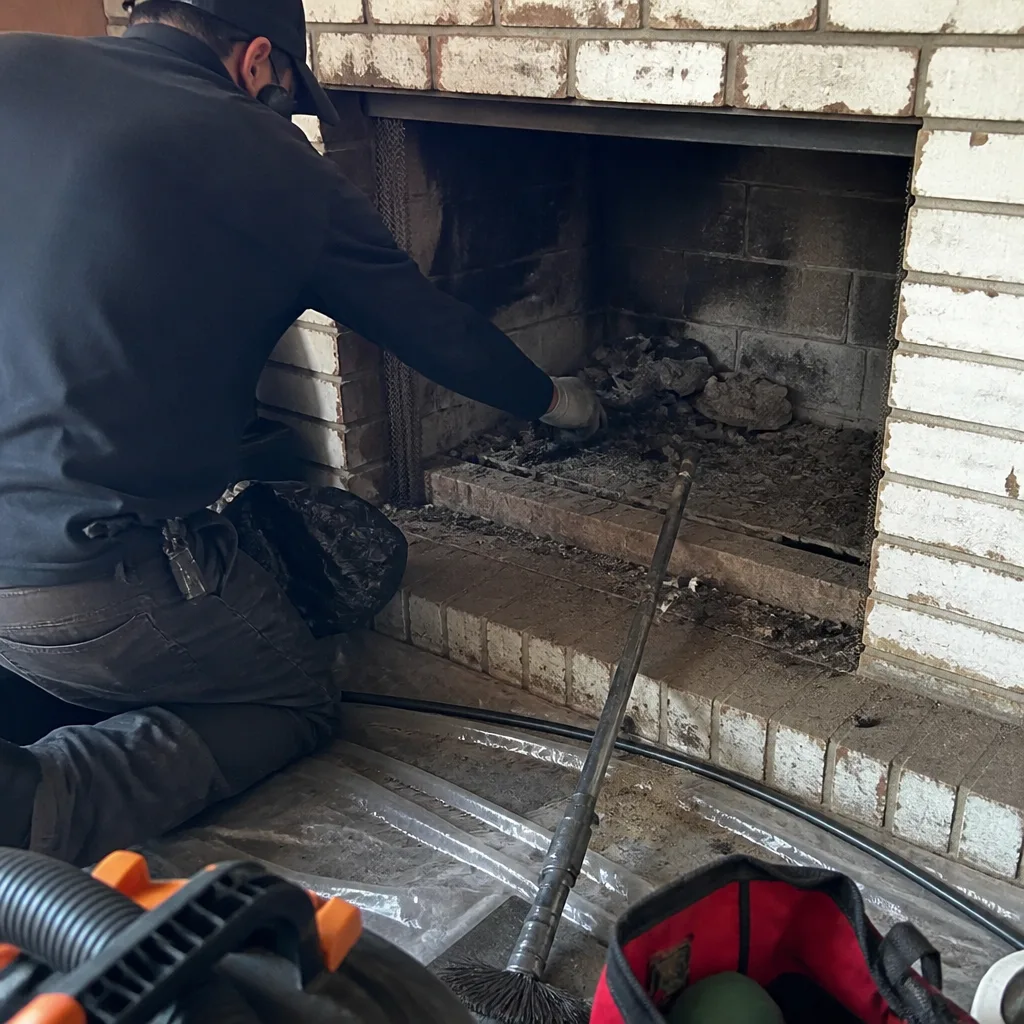
Chimney sweep logs do not sweep chimneys. They loosen some creosote - which then falls where a brush and vacuum still have to collect it.
Chimney Sweep Troubleshooting: Common Problems and How to Fix Them
If smoke is backing up into your living room, the instinct is to call for a Chimney Sweep. That’s reasonable. But a dirty flue is only one of six possible causes, and cleaning it won’t fix the other five. In Chino Hills, where warm Santa Ana winds and cool winter nights create pressure differences that most troubleshooting guides never mention, we see the same misdiagnoses repeat season after season. This guide walks through the actual root causes behind smoky fireplaces, stubborn odors, and recurring chimney problems, and it teaches you how to tell the difference between a maintenance issue and a repair issue before you spend a dollar on the wrong fix.
Styles & brands we work with
- Sweep & inspection
- Caps & crowns
- Flue relining
- Masonry repair
- Gas fireplace service
Quick Answer
Chimney problems fall into six root-cause categories: blockage, draft failure (often from negative air pressure in the home), flue liner damage, damper malfunction, missing or damaged caps, and moisture intrusion. A sweeping clears blockages and creosote, but it cannot correct a depressurized house, a cracked liner, or a failed damper. For deeper context, see our The Complete Chimney Sweep Guide for Chino Hills Homeowners. The right fix starts with identifying which of those six is actually driving the symptom you’re seeing, and most of them can be diagnosed with a visual inspection, a draft test, and a camera run before any work is recommended.
Table of Contents
- Blockage vs. Draft Failure: How to Tell the Difference
- Why Modern Homes Backdraft: Negative Air Pressure in Chino Hills
- Odor Troubleshooting: Creosote, Must, or Animal
- Flue Liner Damage: When a Sweep Isn’t Enough
- Damper Failure: The Most Overlooked Culprit
- Missing Caps and Chase Covers: Small Part, Big Consequences
- DIY Fixes That Make Repairs More Expensive
- Common Mistakes to Avoid
- When to Call a Professional
- Frequently Asked Questions
- The Bottom Line
Blockage vs. Draft Failure: How to Tell the Difference
A blocked flue and a failed draft produce nearly identical symptoms: smoke spilling into the room, a fire that won’t stay lit, and a persistent smoky smell. But the fixes are completely different, and treating one like the other is the most common reason chimney problems recur season after season in Chino Hills homes.
Here’s the diagnostic sequence we use on every call where smoke is the complaint:
- Look up the flue with a flashlight. If you can see an obvious obstruction like a bird nest, a visible creosote glaze, or a collapsed section of liner, you have a blockage problem. A sweep usually resolves it.
- Check the damper position. A damper that’s rusted partially shut mimics a blockage. Open it fully and retest. If smoke still backs up, move to step three.
- Run the draft test. Light a piece of newspaper and hold it inside the firebox near the damper opening. If the smoke rises into the flue, the draft is intact and the problem is likely a blockage higher up or a liner restriction. If the smoke wafts back into the room, the draft itself has failed.
- Assess the home’s air pressure. Open a window near the fireplace and retest. If the draft improves dramatically, the problem isn’t the chimney at all. It’s the house.
That last step surprises a lot of homeowners in Chino Hills, especially in newer construction where homes are built tight for energy efficiency. The chimney isn’t broken. The house is simply out-breathing the fireplace. We’ll get into that next.
For a professional visual assessment, our Chimney Sweep in Chino Hills service includes a full inspection with every cleaning, so you’re not guessing at what’s blocking the flue.
Why Modern Homes Backdraft: Negative Air Pressure in Chino Hills
Negative air pressure is the most underdiagnosed cause of chimney problems in modern homes, and in Chino Hills, it’s especially common during the fall and winter when windows are closed and exhaust systems run constantly. Here’s what’s happening: your fireplace needs a steady supply of air to feed the fire and push smoke up the flue. If the house can’t supply that air, the chimney becomes an air intake rather than an exhaust, and smoke gets pulled backward into the room.
What creates this negative pressure? Appliances and fixtures that are actively removing air from the home:
- Range hoods venting to the exterior pull hundreds of cubic feet of air per minute out of the kitchen.
- Bathroom exhaust fans running for an hour after a shower.
- Furnace and water heater combustion drawing air for their own burners.
- Central vacuums and other whole-house exhaust systems.
When several of these run simultaneously in a tightly sealed home, the house becomes a mild vacuum. The fireplace, which needs positive pressure to draft upward, loses the competition. The result is smoke spilling into the room even when the chimney is completely clean.
The temporary fix is simple: crack a window while burning. This supplies combustion air and equalizes pressure. But relying on that long-term isn’t practical, and it’s not a solution for a home where the problem persists in mild weather. Professional fixes range from installing an outside air kit that feeds combustion air directly into the firebox, to adding a top-mount damper that seals the flue when not in use and improves draft performance. In our experience working in Chino Hills neighborhoods like Los Serranos and Butterfield Ranch, older homes retrofitted with new windows and insulation are the most prone to this, because the sealing work changed the air dynamics that the original masonry fireplace was designed for.
A qualified sweep can perform a pressure test during a routine visit and confirm whether your smoke problem is a chimney issue or a house issue. If you’re evaluating providers, our post on Choosing the Right Chimney Cleaning Brand: A Buyer’s Guide for Chino Hills can help. It’s a five-minute diagnostic that saves homeowners from paying for cleanings that don’t solve the problem.
Odor Troubleshooting: Creosote, Must, or Animal
Chimney odors are the most common complaint we hear from Chino Hills homeowners during the humid summer months and the first cold snap of fall. Different smells point to different problems, and the fix isn’t always a sweep. Knowing which smell you’re dealing with tells you a lot about what the chimney is telling you.
Creosote odor is sharp, acrid, and smoky. It smells like a campfire that’s gone cold but with an edge of tar. It worsens on humid days because moisture in the air interacts with creosote deposits already in the flue, activating the smell even when no fire has burned for months. The fix is mechanical removal of the creosote, followed by an assessment of whether you’re burning wood that’s too wet or fires that are too cool. Wet wood and smoldering fires are the two biggest creosote producers.
Musty or earthy odor points to water intrusion. That smell is organic material, moss, or mold growing inside the masonry or on a liner that’s absorbed moisture. In Chino Hills, this often traces back to a cracked crown, failed flashing, or a missing chimney cap. The chimney is getting wet, and the moisture is feeding biological growth. Sweeping won’t fix this. The water entry point has to be repaired, and in some cases, the liner needs resurfacing with a product like HeatShield if the moisture has compromised the clay liner over enough seasons.
Animal odor is the smell of decay, nesting material, or animal waste. It means something has lived or died in the chimney. Birds, squirrels, and raccoons are common in Chino Hills, especially in chimneys without caps. The fix begins with removing the animal or nest (often a job for a professional who can do it safely and humanely), then installing a properly sized cap with mesh sides to prevent reentry. When we install a cap on a Chino Hills home, we use professional-grade units from manufacturers like Gelco or Olympia Chimney that are sized for the flue and built to withstand the local environment, not the adjustable big-box versions that fit poorly and rust out in a couple of seasons.
Odor diagnosis matters because the wrong fix is wasted money. A sweep removes creosote smell, but it does nothing for a wet chimney or a dead animal in the smoke shelf. The smell type is your first diagnostic clue.
Flue Liner Damage: When a Sweep Isn’t Enough
Your flue liner is the most safety-critical part of the chimney system, and it’s also the part most homeowners never see. The liner contains the heat, gases, and creosote byproducts inside the flue and keeps them from reaching the combustible materials in your home’s walls and roof structure. When it cracks, those byproducts can intrude into the home, and in the worst case, a liner failure is the mechanism behind many chimney fires spreading into the house.
Cracked or spalling clay liners are common in Chino Hills homes built before the 1990s. Thermal stress builds up over hundreds of heating and cooling cycles, and the brittle clay tiles start to fracture. Here’s what to watch for:
- Pieces of clay tile in the firebox after a storm or a burning season.
- Smoke odor between burning sessions, especially upstairs or in rooms near the chimney chase.
- Visible cracks or gaps in the liner when you shine a bright flashlight up the flue.
- Efflorescence, a white chalky residue on the exterior chimney brick, which indicates moisture moving through the masonry.
When liner damage is confirmed, a sweep isn’t the fix. The liner needs repair or replacement. We use two primary approaches depending on the condition and structure of the chimney. For moderate damage, HeatShield is a cerfied resurfacing system that repairs cracked and spalled liners by restoring a smooth, insulated surface inside the existing flue. For chimneys with severe damage, shifted tile sections, or complex flue paths, a DuraFlex flexible liner system allows full relining even when the existing chimney has offsets that would make rigid liner installation impossible. These are professional-grade materials sourced for their longevity, not consumer products designed to fail on a five-year cycle.
If you’re in Chino Hills and seeing tile fragments or persistent odor, a camera inspection is the right first step. It’s the only way to confirm liner condition without guessing. Our Chimney Repair in Chino Hills service includes camera documentation with every assessment, so you see exactly what we see before any recommendation is made.
Damper Failure: The Most Overlooked Culprit
The damper is a simple metal plate that opens and closes the flue, and it’s responsible for more repeat service calls than any other component. Damper failure shows up in several ways, and it’s often mistaken for a chimney problem when it’s actually a mechanical issue at the top of the firebox.
Here are the symptom patterns and what they usually mean:
- Smoke backs up on windy days but the fire burns fine in calm weather. A damper that doesn’t seal properly fails to create the consistent draft needed when wind pressure shifts at the chimney top.
- The damper handle won’t move or feels stiff and gritty. Rust and creosote have seized the mechanism. Forcing it can break the linkage, and replacement often means cutting into the masonry.
- Cold air pours into the room when the fireplace isn’t in use. The damper is warped or rusted and can’t close fully, letting conditioned air escape and outdoor air in.
- You hear rattling in the chimney during windy weather. The damper plate is loose in its frame.
A failed damper has a compounding effect. Beyond the draft and comfort problems, an open or poorly sealed damper lets moisture down the flue, which accelerates creosote activation (odor) and liner deterioration. It’s a small part with an outsized impact on the whole system.
The most reliable long-term fix is a top-mount damper installed at the chimney crown. It seals the entire flue with a gasketed cap and is operated by a cable from the firebox. It doubles as a chimney cap, keeping animals and rain out, and it eliminates the cold-air and moisture problems caused by a failing throat damper. We install top-mount dampers as a standard upgrade on Chino Hills homes where the original damper has reached the end of its service life, and the combination of sealing and cap function makes it a genuinely valuable fix rather than a marginal improvement.
Missing Caps and Chase Covers: Small Part, Big Consequences
A chimney cap is a small piece of metal that sits at the top of the flue, and its absence is responsible for a chain of problems that most homeowners never connect back to the source. If your chimney doesn’t have a cap, or if an existing cap has rusted through or blown off in a storm, several things start happening at once.
Water enters the flue directly every time it rains. That water mixes with creosote and accelerates liner corrosion. It pools in the smoke shelf and firebox. It seeps into the masonry and freezes during cold snaps, expanding and cracking brick and mortar. In Chino Hills, the rainy season is short but intense, so unprotected chimneys absorb a year’s worth of moisture in a few weeks, and the damage compounds during the dry months when the moisture trapped in the masonry expands and contracts with temperature swings.
Animals move in. Uncapped flues are open invitations to birds, squirrels, and raccoons, and once an animal nests or dies in the chimney, you’re dealing with odor, blockage, and potential disease risk. The cost of a cap is trivial compared to removing a raccoon and sanitizing the flue.
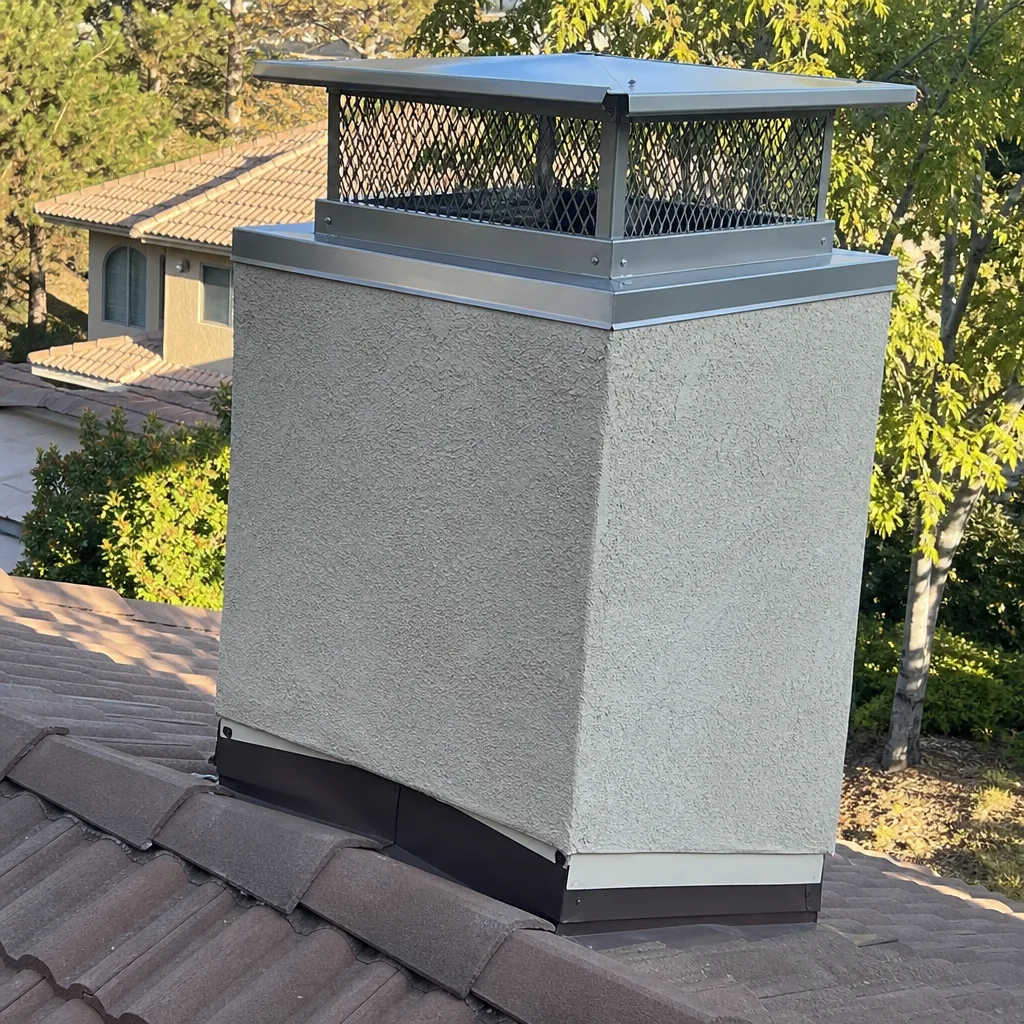
The fix is straightforward: install a properly sized cap made from professional-grade material. We source caps from manufacturers like Gelco, Famco, and Copperfield, which are built to spec for each flue size and material rather than sized with an adjustable band that fails to seal correctly. On prefabricated chimneys, the equivalent component is the chase cover, a metal pan that sits on top of the chimney chase. When chase covers rust through, water enters the chase and damages not just the chimney but the surrounding structure. We see this regularly in Chino Hills neighborhoods where original galvanized chase covers from the 1990s and early 2000s have reached the end of their service life.
Checking your cap or chase cover is part of every professional inspection, and replacing a failed one is one of the cheapest repairs you’ll make relative to the damage it prevents.
DIY Fixes That Make Repairs More Expensive
We understand the impulse to fix things yourself. Some chimney maintenance is genuinely safe and appropriate for a homeowner to handle. But there’s a specific set of DIY attempts that we see making professional repairs more expensive and more complicated than they needed to be, and they’re worth knowing before you pick up a tool.
- Using chemical creosote removers as a substitute for sweeping. These products change the composition of creosote but don’t remove it. A thick glazed layer needs mechanical removal. Waiting while the chemical “works” lets the problem harden further, and some products can accelerate corrosion on older liners.
- Patching a cracked crown with silicone caulk. Caulk fails. It fails in months, not years. And the failed caulk often seals moisture INTO the masonry rather than out of it, accelerating the spalling you were trying to fix. Proper crown repair involves resurfacing or rebuilding with the correct material.
- Sealing off a chimney you’ve stopped using. An unused chimney still breathes. Sealing it completely traps moisture and creates the conditions for biological growth and masonry deterioration. If the fireplace is going dormant, the right move is a breathable cap, not a permanent seal.
- Using a garbage bag or plastic sheet to close off the flue. This traps moisture and creates a condensation chamber inside the flue. It’s a temporary measure that becomes a permanent source of damage when forgotten.
- Brushing the flue without understanding what you’re brushing. Wire brushes on a damaged liner can enlarge cracks and dislodge already-fragile tile sections. If you don’t know the liner condition first, aggressive brushing can create a repair that didn’t need to happen.
The one temporary measure we consider legitimately safe while waiting for professional service is a top-mount damper, which seals the flue from the top and keeps water and animals out while you schedule the real repair. It’s not a substitute for proper diagnosis, but it’s a safe interim step that doesn’t compound the problem. If you’re unsure what you’re working with, our Chimney Sweep Chino Hills home page outlines what a full inspection covers, so you know exactly what a professional will be looking for.
Common Mistakes to Avoid
- Assuming smoke means the chimney needs cleaned. Smoke can also mean a failed draft from negative house pressure, a closed damper, or an undersized flue. Cleaning doesn’t fix those.
- Burning wet or unseasoned wood. Chino Hills doesn’t have the long, dry seasoning seasons of other regions, so firewood sold locally sometimes still carries too much moisture. Wet wood creates creosote faster and makes the chimney smell between fires. Test your wood with a moisture meter before you buy your winter supply.
- Ignoring an odor because it only appears occasionally. Off-and-on odors are usually moisture-activated. By the time they’re consistent, the underlying issue has been progressing for months or years.
- Replacing a cap with whatever’s cheapest at the hardware store. An ill-fitting cap is almost as bad as no cap. Water and animals find the gaps.
- Having a fire inspected without the dryer vent checked. That’s not a chimney issue, exactly, but it’s one of the most common home fire risks, and it lives in the same category of maintenance people skip. Our Dryer Vent Cleaning in Chino Hills service exists because lint fires are preventable with a simple annual cleaning, and most homeowners have never had it done once.
- Treating a chimney as a single component rather than a system. The cap, crown, flue, liner, damper, and firebox all interact. Fix one and ignore the others, and the problem just moves.
When to Call a Professional
Most of the repairs described in this guide are not DIY projects, and some of them involve working at height or dealing with materials that require specific training. You should call a professional when you see tile fragments in the firebox, when smoke problems persist after the chimney has been swept, when you suspect animal occupancy, when you need a liner assessment or repair, or when water is visibly entering the chimney during rain. These are the situations where a visual inspection and camera documentation matter, because the correct fix depends on an accurate diagnosis.
Chimney Sweep Chino Hills offers free estimates in Chino Hills. We show you what we find before we recommend what to fix, and we never recommend a repair without camera evidence you can see for yourself. Call (877) 358-0941 to schedule an inspection or ask about any of the issues in this guide.
Frequently Asked Questions
Chimney sweeping in Chino Hills typically runs between $150 and $350 depending on the chimney’s condition, height, and whether animals or heavy creosote are present. A basic cleaning of a regularly maintained chimney is on the lower end, while a first-time sweep with glazed creosote removal or animal nest removal runs higher. Call (877) 358-0941 for an exact quote. Estimates are free.
No. If liner damage, masonry repair, or any structural issue has been identified, the fireplace should not be used until the repair is complete. Burning with a compromised liner exposes the home to fire and carbon monoxide risk. We will tell you plainly whether the fireplace can be used while you wait for repairs, and in most cases, the answer is to wait.
Creosote accumulates along the flue walls, and creosote is combustible. A thick enough layer can ignite, producing a chimney fire that burns hot enough to crack the liner and spread into the home’s structure. Skipping a sweep also means missing early warning signs like liner cracks, water damage, and cap failure, all of which get more expensive the longer they’re ignored.
Many damaged liners can be resurfaced rather than replaced. HeatShield is designed exactly for this: restoring cracked and spalled clay liners without tearing out the existing chimney. Full replacement with a DuraFlex liner is only necessary when the existing liner is too damaged or the flue path is too complex for resurfacing. The camera inspection determines which approach is right, and you’ll see the evidence yourself before any recommendation is made.
The National Fire Protection Association recommends a professional inspection at least once per year, with sweeping performed when creosote reaches 1/8 inch or more. For regular users in Chino Hills, that typically means a sweep every one to two burning seasons. Occasional users should still have an annual inspection, because rust, water intrusion, and animal problems develop whether or not you burn.
That almost always traces back to creosote activation from humidity or water intrusion. Humid air interacts with creosote left in the flue, releasing the smoky smell even when no fire has burned. The fix is removing the creosote and identifying whether water is entering through a failed cap, crown, or chase cover. If the smell is musty rather than smoky, the cause is moisture and biological growth, not creosote at all.
The Bottom Line
Chimney problems do not fix themselves, and they rarely stay small when ignored. The guide above covers the six root causes behind most symptoms, the diagnostic clues that separate blockage from draft failure from liner damage, and the specific odors that point to different repairs. If you take one thing from all of this: diagnose before you spend. A sweep fixes creosote. A damper repair fixes draft. A liner repair fixes safety. A cap fixes water and animals. The wrong fix is wasted money, and the right fix starts with an inspection that shows you what’s actually happening inside the flue. Sweep. Inspect. Repair. One company, one call at Chimney Sweep Chino Hills.
Written by the team at Chimney Sweep Chino Hills, serving Chino Hills since 2017.
See the difference
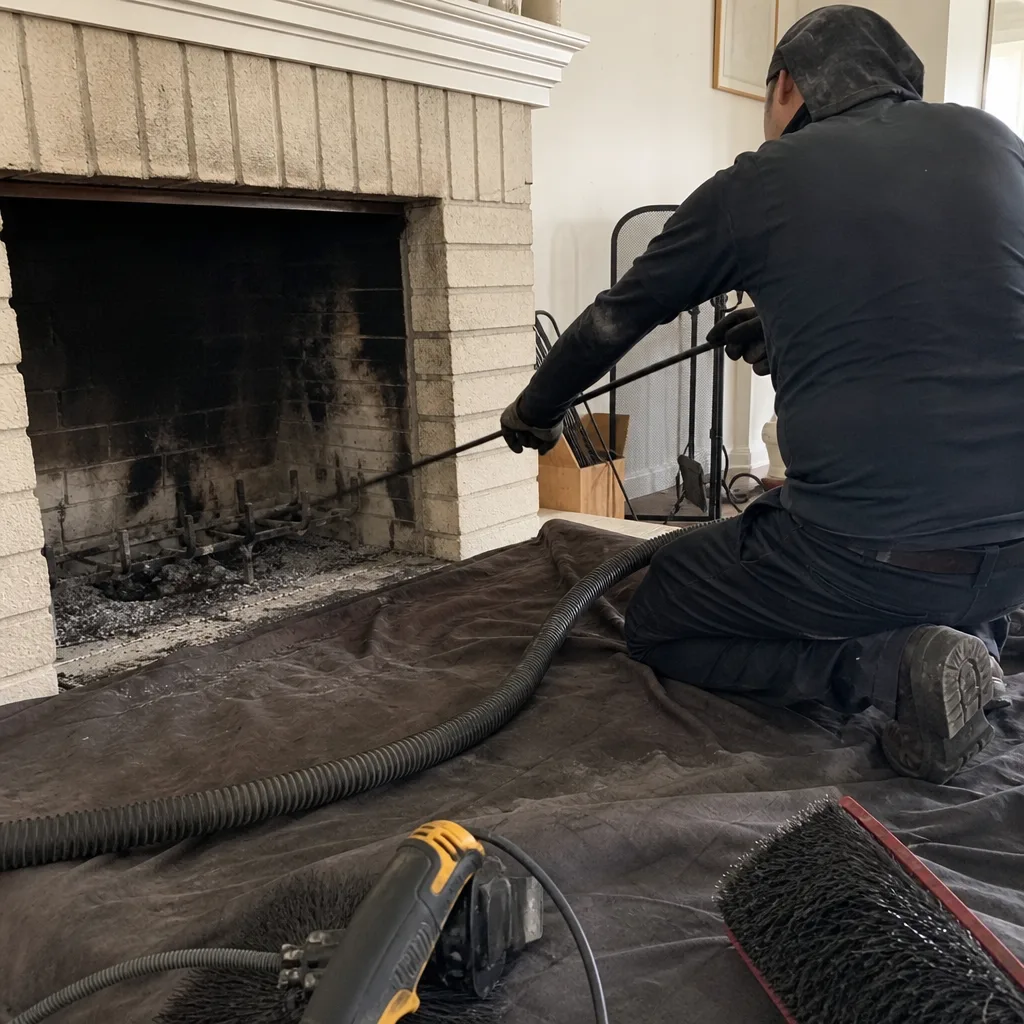 Before
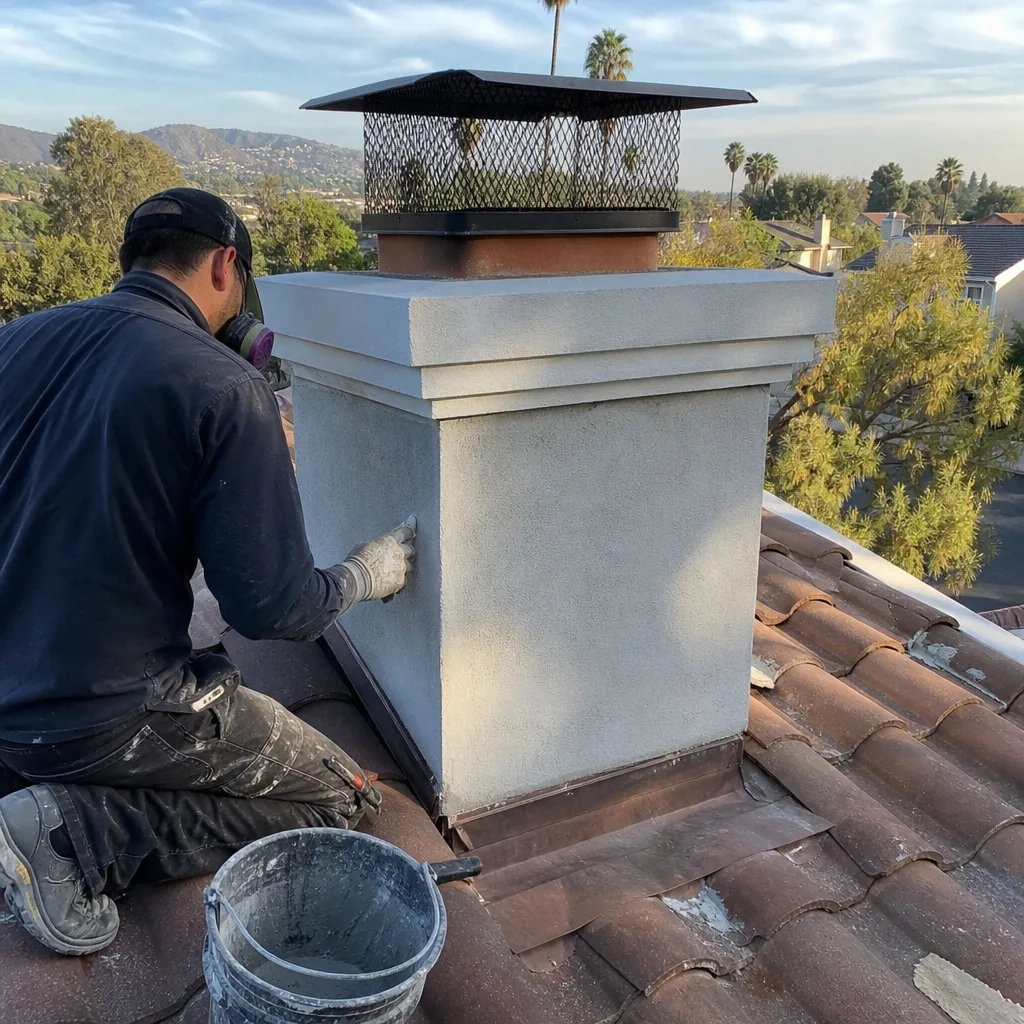 After
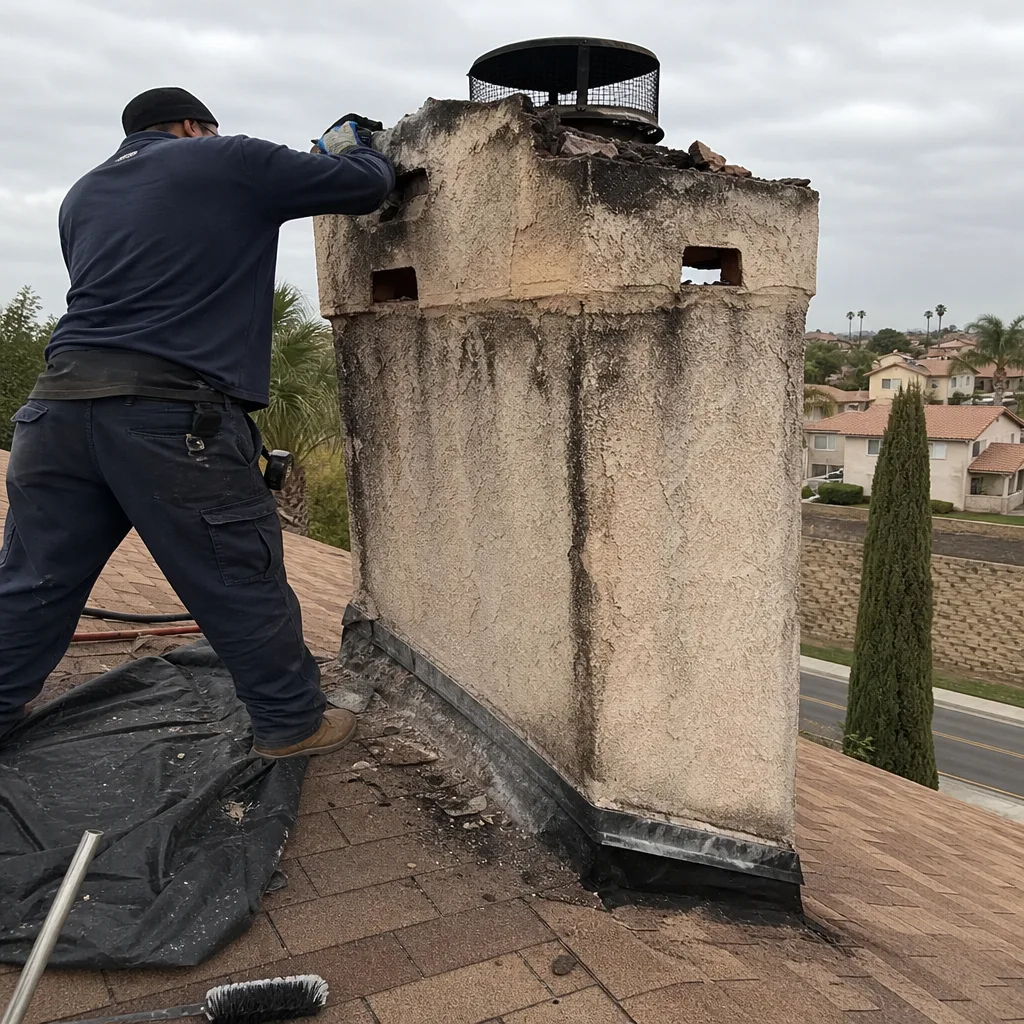 Before
 After
 Before
 After