
Last updated November 3, 2026
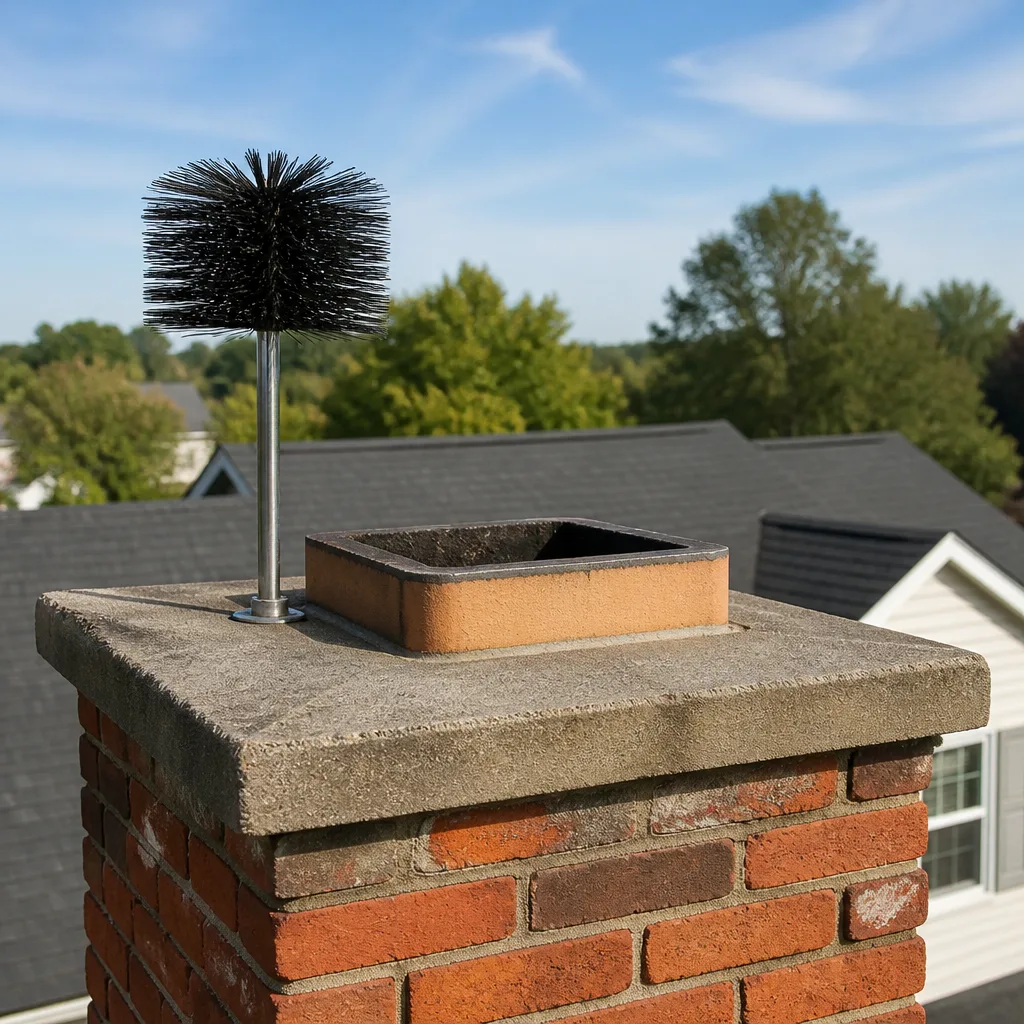 Sweep & inspection
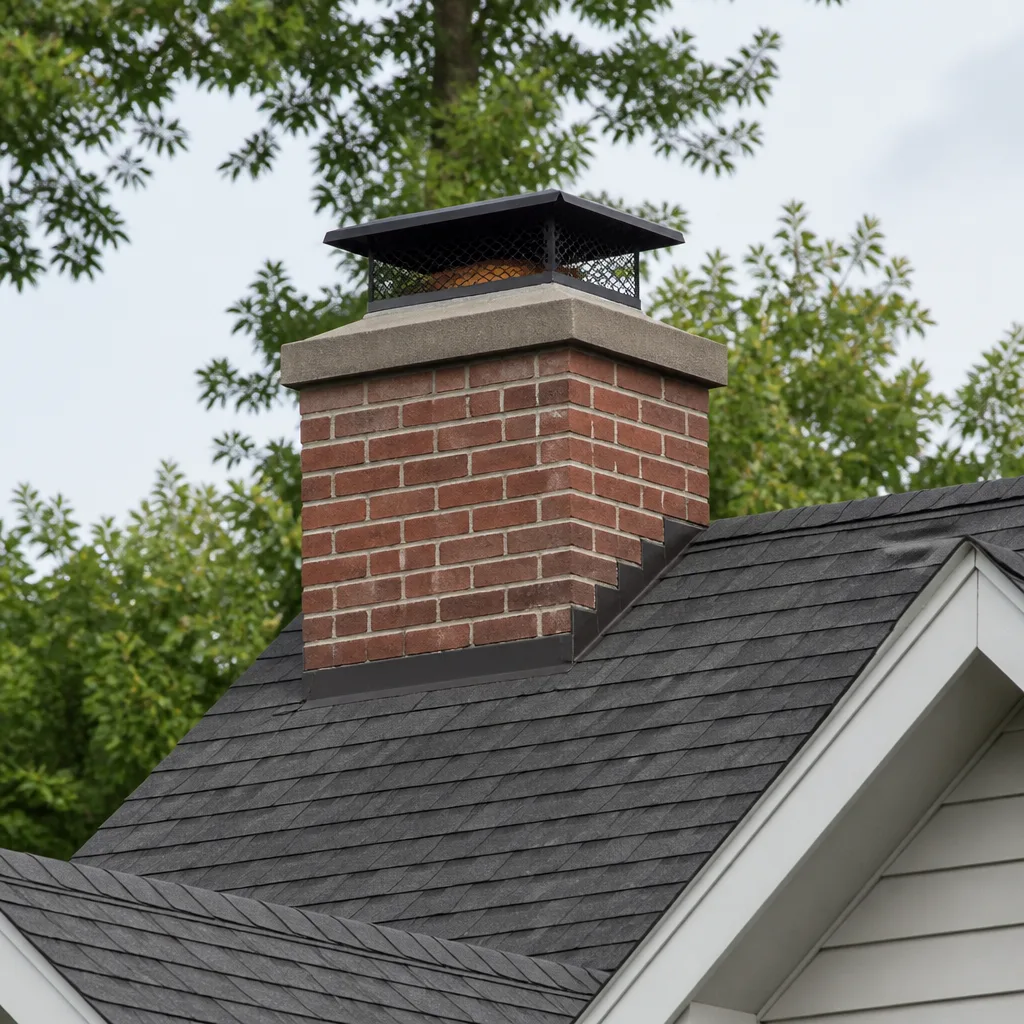 Caps & crowns
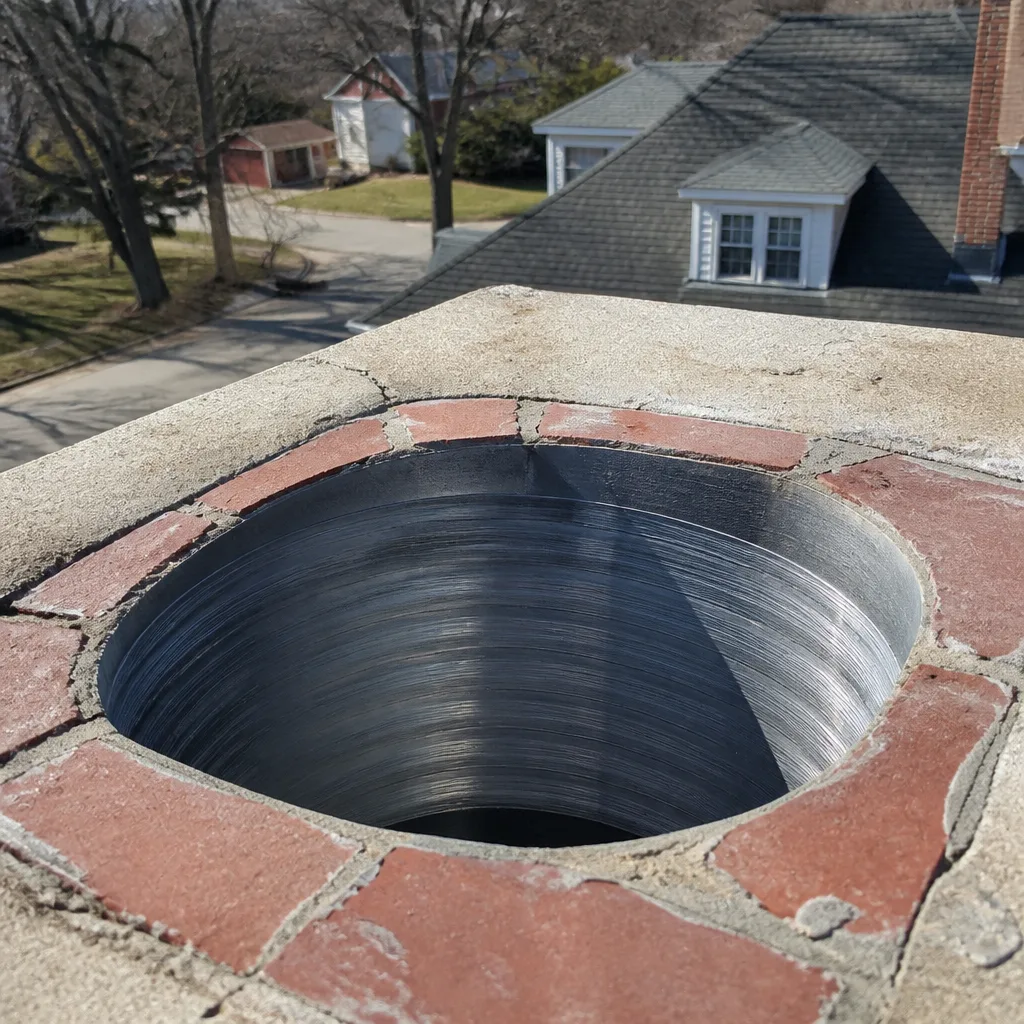 Flue relining
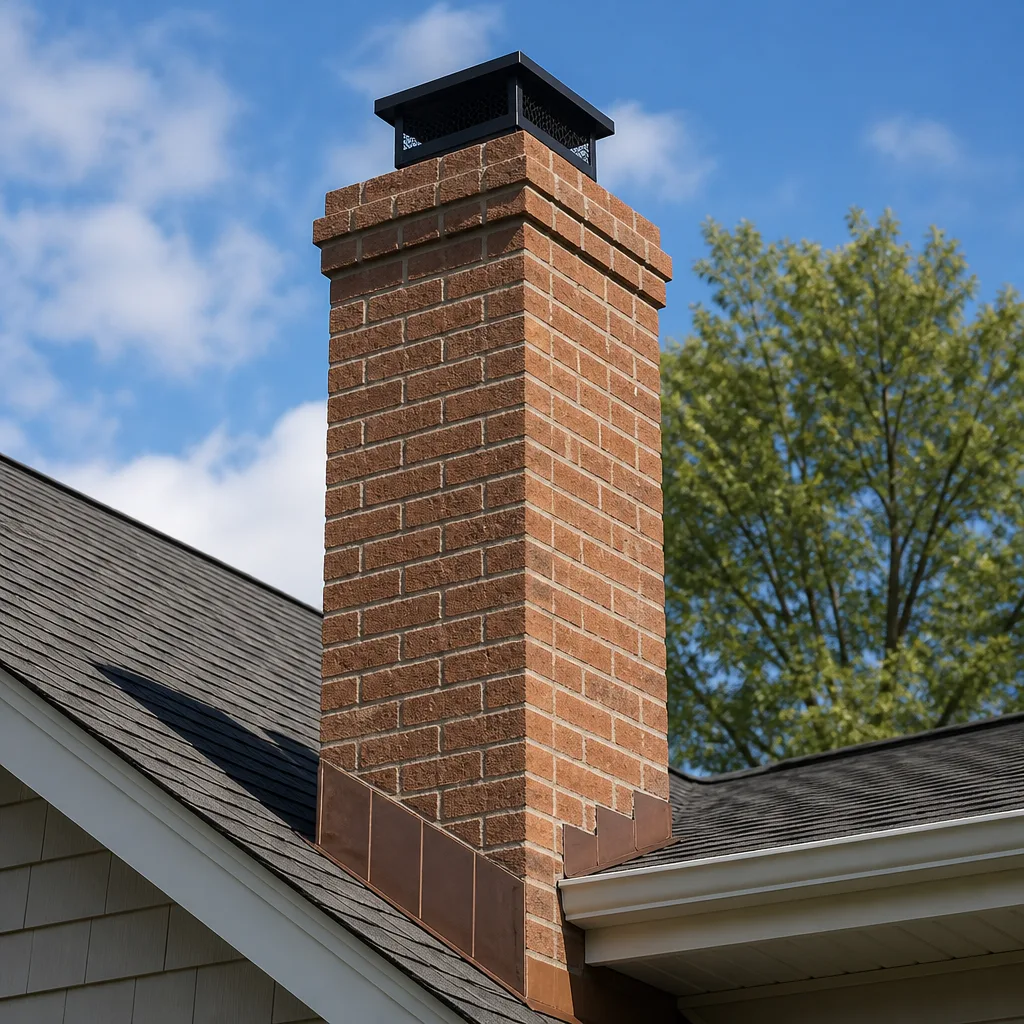 Masonry repair
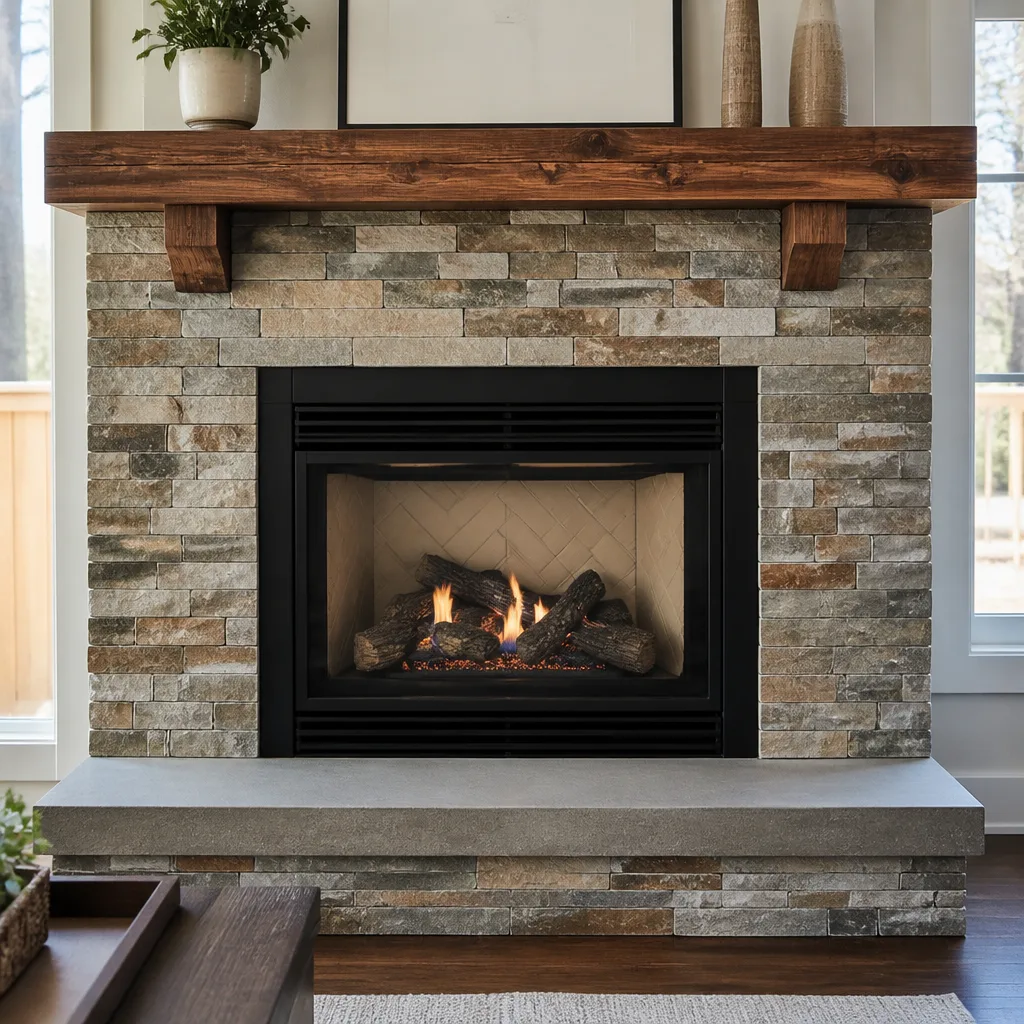 Gas fireplace service
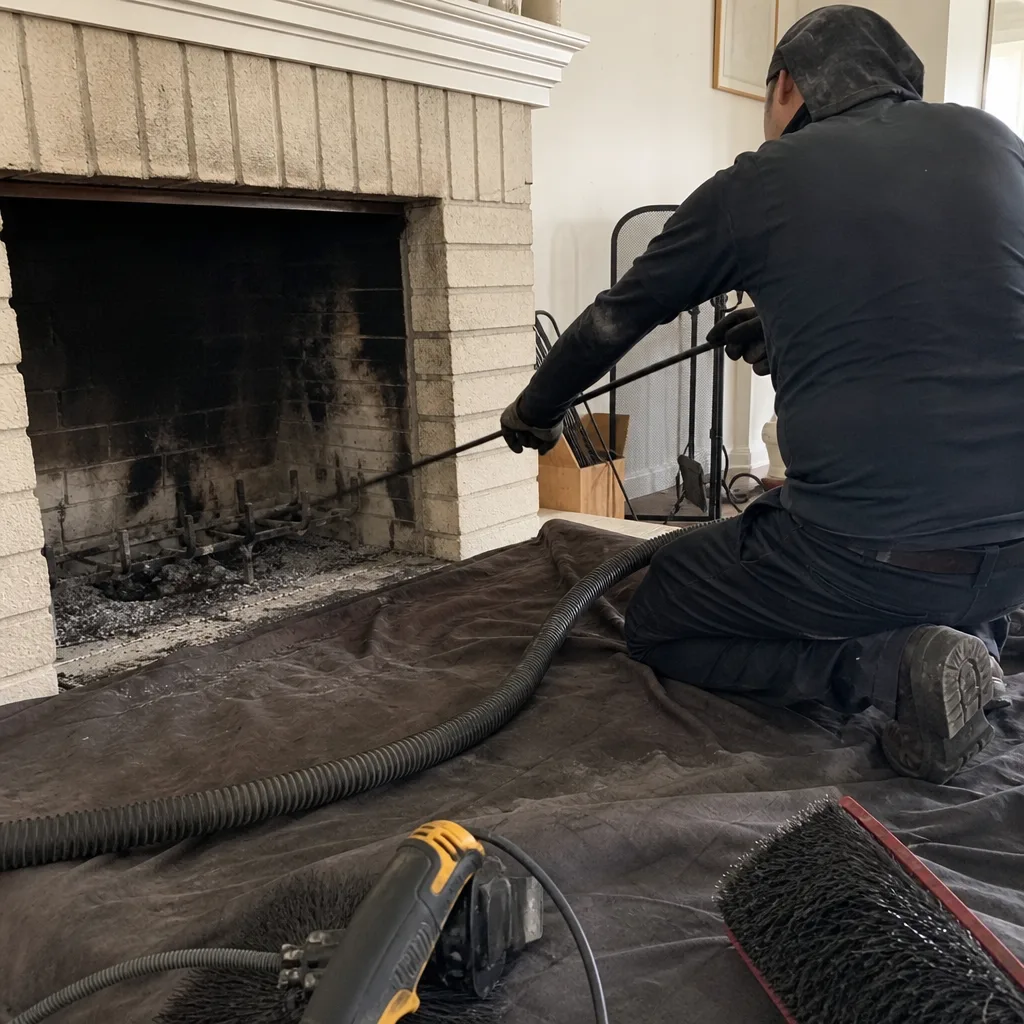
Level 1 sweep and inspection to the NFPA 211 annual standard - flue, crown, cap, and flashing checked and photographed
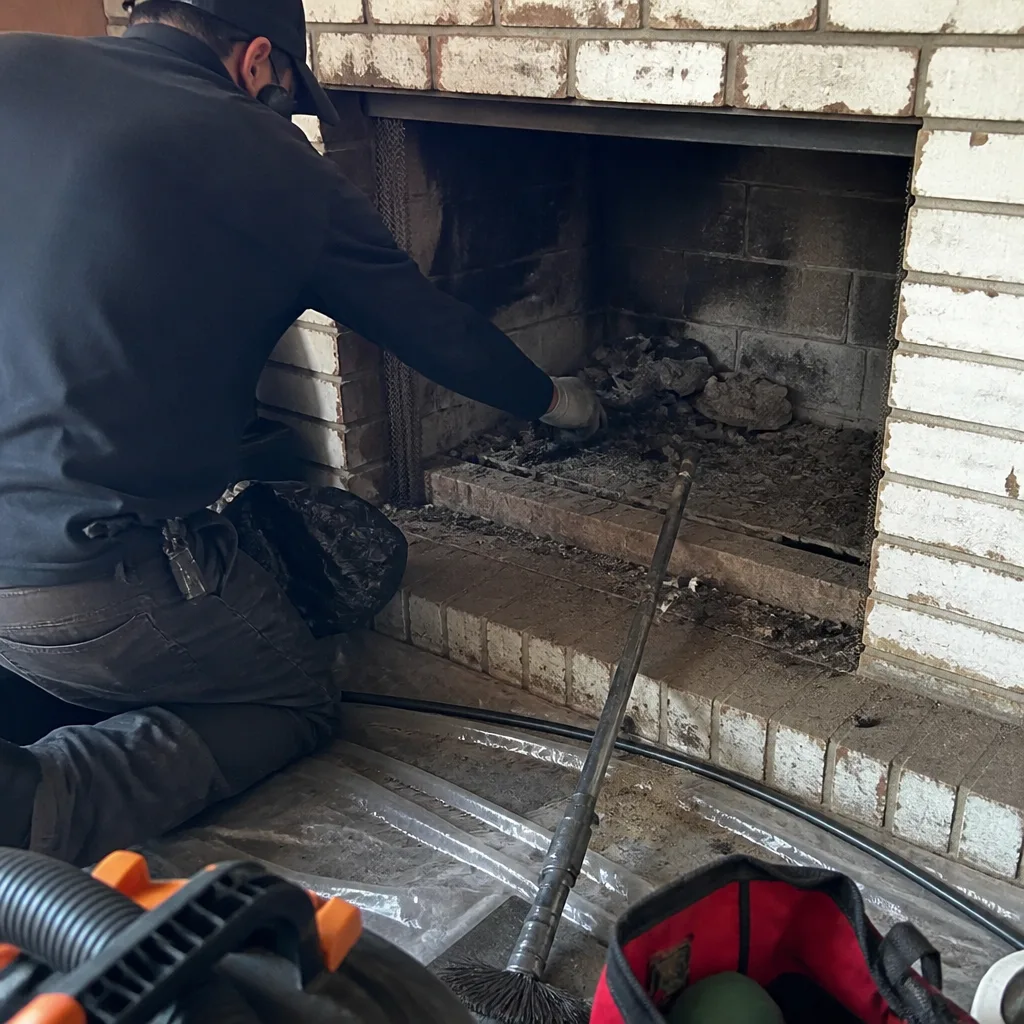
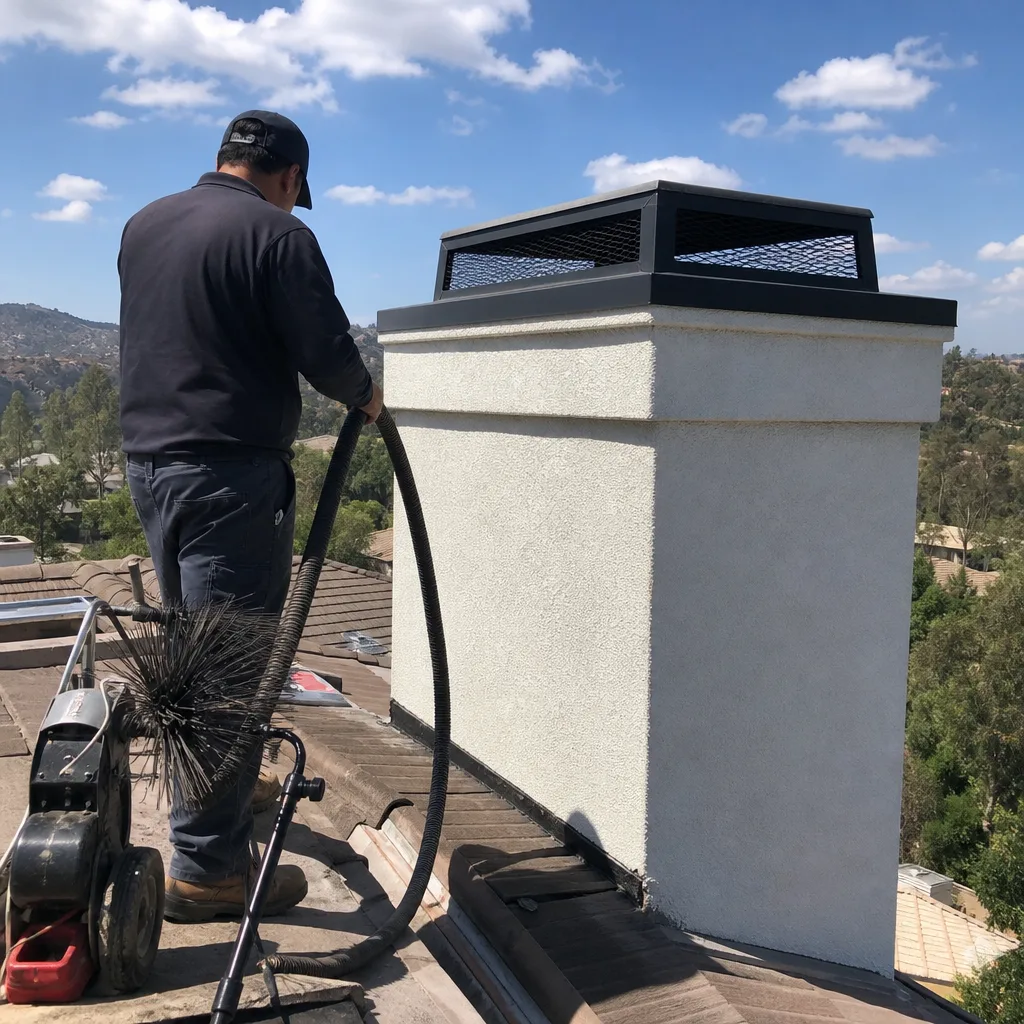
Chimney sweep logs do not sweep chimneys. They loosen some creosote - which then falls where a brush and vacuum still have to collect it.
Choosing the Right Chimney Cleaning Brand: A Buyer’s Guide for Chino Hills
A chimney cap is a chimney cap until the first Santa Ana wind season blows a $40 galvanized model off your flue and into your neighbor’s yard. The brand and gauge of material your sweep uses for caps, liners, dampers, and sealants matters as much as the quality of the cleaning itself, yet most Chino Hills homeowners never ask about it. This guide walks you through the product categories where brand selection genuinely affects how long your chimney system lasts, which manufacturer names carry weight in the professional supply industry, and the questions you should ask any contractor before they start work. For related reading, see The Complete Chimney Sweep Guide for Chino Hills Homeowners.
Styles & brands we work with
- Sweep & inspection
- Caps & crowns
- Flue relining
- Masonry repair
- Gas fireplace service
Quick Answer
Choosing the right chimney cleaning brand means choosing a contractor who uses professional-grade materials from established manufacturers like DuraFlex, HeatShield, Gelco, Olympia Chimney, Famco, and Copperfield rather than big-box hardware store equivalents. The right brand depends on your specific need: stainless steel liner systems for flue repair, ceramic-based resurfacing products for liner restoration, and heavier-gauge caps and dampers built for Chino Hills wind and heat conditions. Ask any contractor what brands they install and what the manufacturer’s warranty covers before you book.
Table of Contents
- Why the Brands Your Sweep Uses Matter More Than the Sweep Itself
- Flue Liners: Stainless Steel Gauge, Alloy Grade, and Why They Fail
- Chimney Caps and Chase Covers: Galvanized vs. Stainless vs. Copper
- Top-Mount vs. Throat Dampers: Brand Differences You Can Feel
- Chimney Sealants and Waterproofing: What Actually Works on Chino Hills Chimneys
- How to Ask Your Contractor About Sourcing Without Sounding Confrontational
- What Product Warranties Actually Cover (and What Voids Them)
- Common Mistakes to Avoid
- When to Call a Professional
- Frequently Asked Questions
- The Bottom Line
Why the Brands Your Sweep Uses Matter More Than the Sweep Itself
Most homeowners evaluate a chimney cleaning company on two things: price and punctuality. That’s understandable, but it misses the variable that determines whether you’ll need major repairs in three years or fifteen. The components your sweep installs during a repair, whether a stainless steel liner, a replacement cap, or a top-mount damper, come from a supply chain with enormous quality variance. A contractor who sources from professional manufacturers like Olympia Chimney and Famco is working with materials engineered for decades of thermal cycling. A contractor grabbing parts off the shelf at a home improvement store is installing components with the same brand name recognition as a gas station phone charger.
In Chino Hills, the stakes are higher than in coastal climates. Summer temperatures regularly exceed 100 degrees, and the thermal expansion and contraction between the flue liner, brick, and mortar is relentless. Add Santa Ana winds that hit 50 mph and a chimney cap that is not properly secured or made from thin-gauge material will rattle loose, bend, or disappear entirely. We’ve seen caps in the Butterfield Ranch and Payne Ranch neighborhoods that lasted less than two seasons because the metal was too thin to withstand wind loading. The brand matters because material specification matters, and material specification is what you’re actually paying for.
This guide is about giving you leverage. When you know what to look for in a liner, a cap, a damper, and a sealant, you can ask better questions and walk away from contractors who cannot answer them. You do not need to become a chimney engineer. You need to know enough to recognize when someone is installing quality components at a fair price versus cheap components at a full-service price.
Flue Liners: Stainless Steel Gauge, Alloy Grade, and Why They Fail
The flue liner is the single most important safety component in your chimney system. It contains heat, protects the surrounding masonry from combustion byproducts, and provides a smooth passage for exhaust gases. When a liner fails, the consequences range from deteriorating mortar joints to house fires. In Chino Hills homes built before the 1970s, unlined or clay-tile-lined chimneys are common, and clay tiles crack under the thermal stress of our temperature swings.
What to Look For in a Stainless Steel Liner
Not all stainless steel is equal, and the differences are measurable:
- Alloy grade: 316L stainless steel contains molybdenum, which resists corrosion from acidic flue gases. 304 stainless does not. If you burn gas or wood regularly, 316L is the minimum you should accept.
- Gauge: Liner wall thickness runs from 0.005 inches to 0.015 inches. Thinner liners are easier to install but tear during installation and fail sooner. Professional liner systems like DuraFlex are manufactured with consistent wall thickness and proper corrugation depth.
- Manufacturer: DuraFlex is a recognized name in the professional chimney supply industry, and for good reason. Their flexible stainless steel liners are designed for chimneys with complex or obstructed flue paths, something rigid clay tiles cannot accommodate and something many basic chimney sweep operations are not equipped to install.
HeatShield: The Repair Option Most Homeowners Never Hear About
If your clay tile liner is cracked but the chimney structure is otherwise sound, you may not need a full relining. HeatShield is a ceramic-based resurfacing material that is applied to the interior of the flue to seal cracks, restore structural integrity, and create a smooth, insulated surface. It is a HeatShield-certified application, meaning the contractor has undergone specific training to install it correctly. A sweep-only operator can clean your flue and tell you it is damaged, but they cannot fix it. HeatShield resurfacing capability is what separates full-service chimney companies from cleaning-only services, and it is often the most cost-effective repair path for Chino Hills homeowners with older masonry chimneys.
When to Reline vs. Resurface
- Minor cracking, no structural damage: HeatShield resurfacing is likely sufficient. The ceramic material bonds to the existing clay tile and restores a continuous flue surface.
- Major cracking, missing tile sections, or compromised mortar: A full relining with a DuraFlex stainless steel system is the safer long-term choice.
- Chimney with offset flue path or obstructions: Flexible stainless steel liners are the only option that can navigate the bends without removing masonry.
- Open fireplace being converted to a wood stove or insert: A properly sized stainless liner is required to match the appliance’s draft requirements.
If you are looking for a Chimney Repair in Chino Hills that involves liner work, ask the contractor what gauge and alloy of stainless they install. If they cannot answer, that is your signal to call someone else.
Chimney Caps and Chase Covers: Galvanized vs. Stainless vs. Copper
The chimney cap is the most exposed component on your entire roof. It takes direct sun, wind, rain, and the occasional inquisitive bird. In Chino Hills, it also takes sustained Santa Ana winds that punish anything not bolted down properly. The difference between a quality cap and a cheap one comes down to three factors: material, gauge, and attachment method.
Material Matters
- Galvanized steel: The budget option. Galvanized caps rust, usually within three to five years in our climate, and the rust stains run down your chimney and roof. They also tend to be thin, which means wind damage.
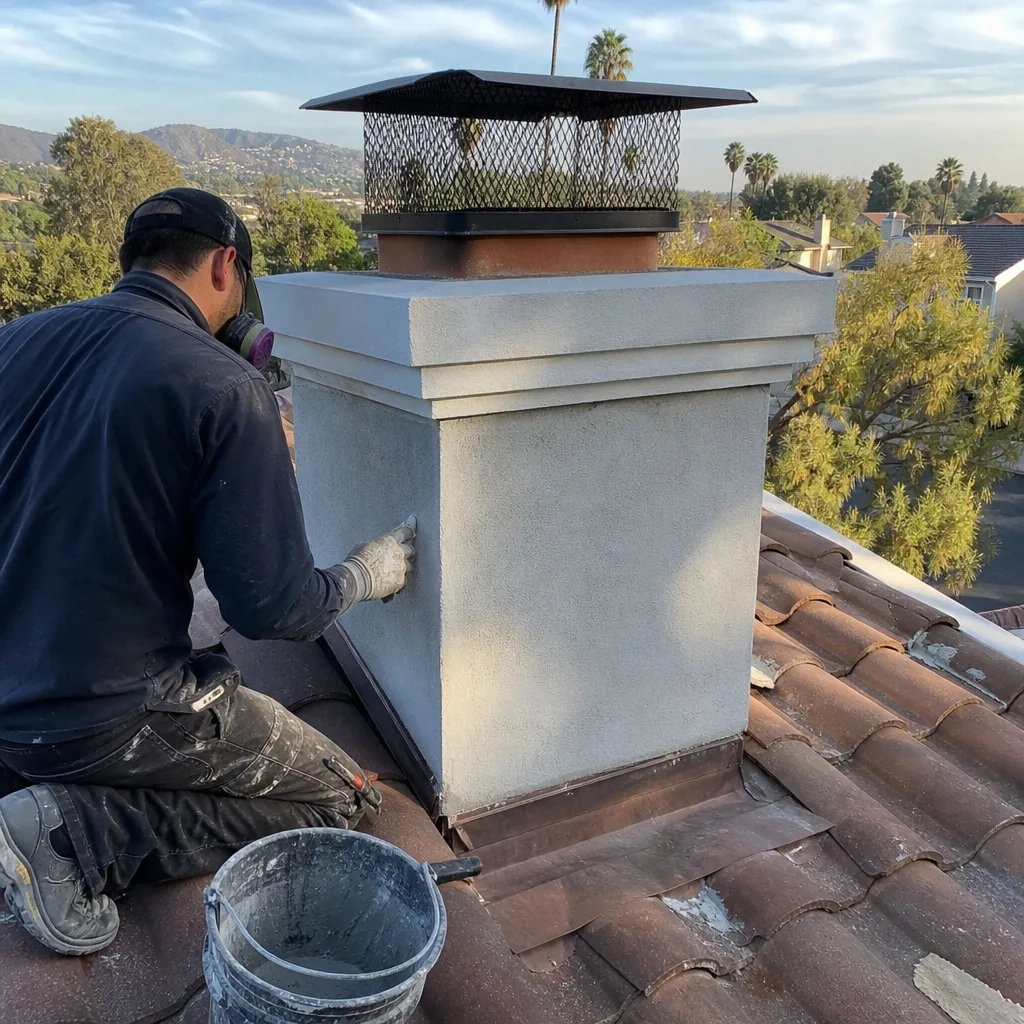
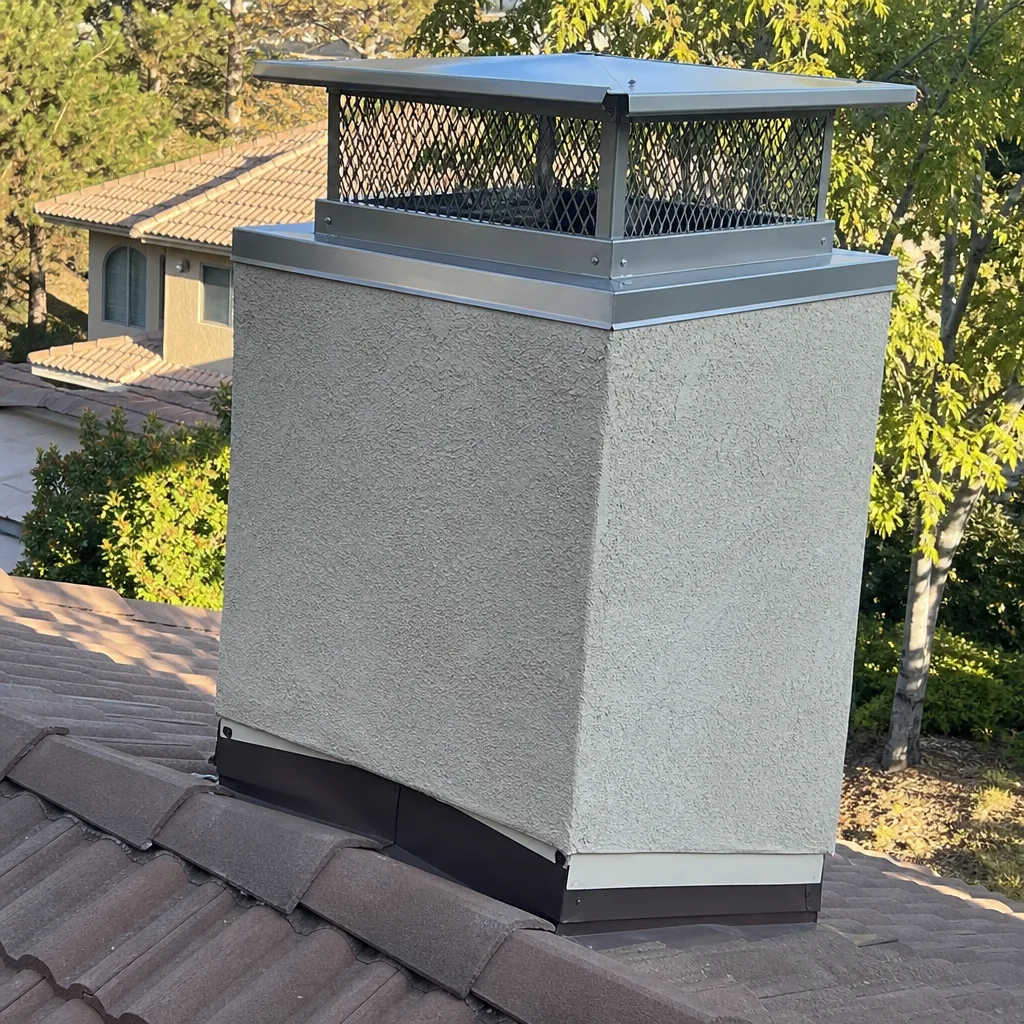
- Stainless steel: The sweet spot for most Chino Hills homes. 304 or 316 stainless resists corrosion and holds up to UV exposure. Brands like Gelco and Olympia Chimney manufacture stainless caps with proper mesh sizing to keep birds and embers out while maintaining draft.
- Copper: Beautiful, expensive, and exceptionally durable. Copper caps from manufacturers like Famco develop a patina over decades and can outlast the chimney structure itself. They are a statement piece as much as a functional component.
Chase Covers: The Metal Top Nobody Sees
On prefabricated chimneys, the chase cover is the flat metal top that seals the wooden chase structure from weather. A cheap galvanized chase cover rusts through, water gets into the chase, and the homeowner discovers the damage only after the surrounding drywall and framing have soaked up thousands of dollars in moisture. A stainless steel chase cover from a manufacturer like Copperfield or Olympia Chimney is fabricated to size with proper seams and a durable finish. This is a classic example of a component the homeowner never sees but pays for either way. You pay a little more upfront for stainless, or you pay a lot more later for water damage repair.
The Chimney Sweep in Chino Hills you choose should be able to tell you exactly what cap they are installing, who made it, and what gauge the metal is. If they say “standard cap” and cannot name a manufacturer, you are probably getting the $40 galvanized model that ends up in your neighbor’s yard during the next wind event.
Top-Mount vs. Throat Dampers: Brand Differences You Can Feel
A damper is the valve that closes your chimney when the fireplace is not in use. It is the difference between a comfortable living room and a living room that loses conditioned air up the flue all winter. It is also the difference between a $30 repair and a $400 replacement, so understanding what you have matters.
Throat Dampers: The Original, Flawed Design
Throat dampers sit just above the firebox, and they have been the standard for masonry fireplaces for generations. The problem is that they seal poorly. Even a properly functioning throat damper leaks air, and they warp, rust, and seize over time. If you have an older Chino Hills home, there is a good chance your throat damper does not close completely, and you are paying to heat or cool the air in your chimney chase.
Top-Mount Dampers: The Upgrade Most Chimneys Need
A top-mount damper installs at the top of the flue, replacing the chimney cap with an integrated damper and cap assembly. It seals with a silicone gasket, which is dramatically more effective than the metal-on-metal seal of a throat damper. When closed, a top-mount damper stops air infiltration almost completely. When open, it functions like a standard cap. Brands like Famco and Copperfield manufacture top-mount dampers with quality gasket materials and robust actuation mechanisms, whether cable-operated or handle-operated.
The upgrade path is straightforward: install a top-mount damper, and if the existing throat damper is intact, leave it open. Most homeowners notice the difference in the first fireplace season, especially in homes where the chimney is on an exterior wall.
Chimney Sealants and Waterproofing: What Actually Works on Chino Hills Chimneys
Water is the enemy of every masonry chimney, and Chino Hills gets enough rain and enough thermal stress that water intrusion is not a question of if, but when. The right sealant can buy you a decade or more of protection. The wrong sealant can trap moisture inside the masonry and accelerate spalling.
The Critical Distinction: Waterproofing vs. Sealing
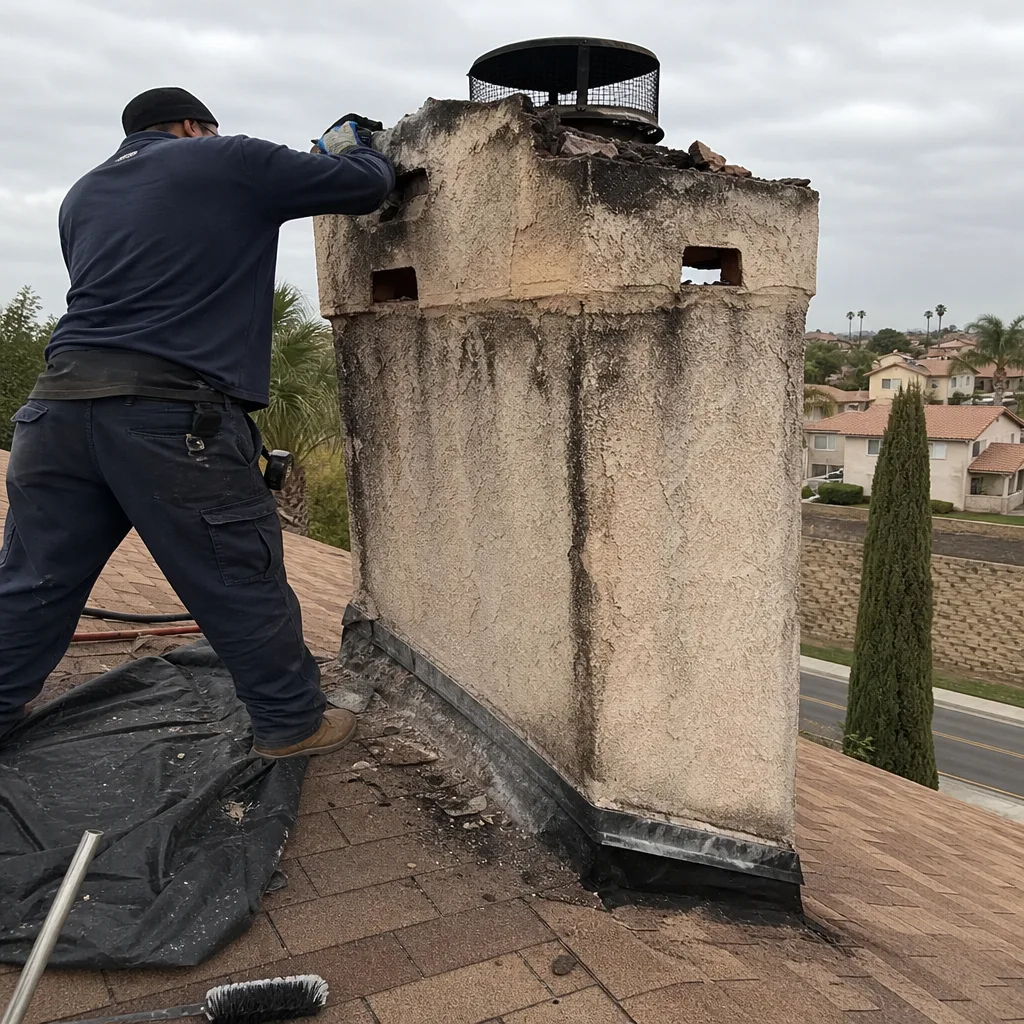
A waterproofing product allows the masonry to breathe while repelling liquid water. A sealing product creates an impermeable barrier that traps moisture inside the brick and mortar. Trapped moisture expands and contracts with temperature changes, which is exactly the mechanism that causes brick faces to pop off, a condition called spalling. In Chino Hills, where temperatures swing from near-freezing winter nights to triple-digit summer afternoons, spalling is one of the most common chimney problems we see.
What to Ask About Sealants
- Is it vapor-permeable? If the contractor cannot answer, do not let them apply anything to your chimney.
- What is the expected service life? Professional-grade chimney waterproofing products typically last 5 to 10 years in our climate, depending on exposure.
- Is it a silane-siloxane based product? This chemistry is the industry standard for masonry waterproofing. It penetrates deep, bonds with the substrate, and allows vapor transmission.
- Will you document the application? A credible contractor should be willing to show before and after photos. We show you what we find before we recommend what to fix, and that includes the condition of existing masonry before any waterproofing work.
The sealant category is where cut-rate contractors genuinely endanger your chimney. The wrong product causes damage that is expensive to reverse. This is not an area to accept vague answers.
How to Ask Your Contractor About Sourcing Without Sounding Confrontational
Some homeowners feel awkward asking a chimney professional what brands they use, as if it signals distrust. It does not. It signals that you are an informed customer, and any credible contractor will welcome the question because it gives them a chance to explain their sourcing decisions. In our experience, the contractors who get defensive about brand questions are the ones you should not hire.
A Simple Question Sequence
- “What brands do you typically install for liners and caps?” A credible answer names specific manufacturers: DuraFlex, HeatShield, Gelco, Olympia Chimney, Famco, Copperfield. A non-answer like “we use whatever’s best for the job” is a red flag.
- “What type of stainless steel do you use for liners, and what gauge?” The answer should be 316L or 304 and a measurable gauge. If they cannot tell you, they are probably installing the thinnest material available.
- “What does the manufacturer’s warranty cover on that liner?” This forces the contractor to acknowledge that the warranty comes from the manufacturer, not from them. It also tells you whether they are authorized to install the product, because many manufacturer warranties require certified installation.
- “How long have you been installing that brand?” A contractor who has worked with a manufacturer for years will have a working relationship with their supply chain and a track record of successful installs. A contractor who just started using a brand yesterday may be chasing a lower price point.
You can ask these questions in a phone call before you book. A legitimate chimney company will answer without hesitation. If you are looking for a Chimney Sweep Chino Hills home service that is transparent about materials, ask about sourcing and certification during your first contact.
What Product Warranties Actually Cover (and What Voids Them)
Every manufacturer warranty comes with fine print, and the fine print is where homeowner expectations go to die. Understanding what a warranty covers before you pay for an installation will save you disappointment and money.
What Warranties Typically Cover
- Manufacturing defects: If the stainless steel liner has a seam failure or the cap arrives with a defective weld, the manufacturer replaces the product. This is the core of most warranties.
- Material failure under normal use: If the product corrodes or fails under conditions it was designed for, the warranty applies. Note that “designed for” is doing a lot of work here.
What Warranties Typically Exclude
- Improper installation: This is the big one. The vast majority of product warranty claims are denied because the manufacturer determines the failure resulted from installation error, not product defect. Installation quality voids more warranties than product failure does.
- Damage from chimney fires: Most warranties exclude damage caused by chimney fires, which is understandable but worth knowing.
- Damage from environmental events: Santa Ana wind damage, earthquake damage, and lightning strikes are generally not covered.
- Failure of adjacent components: If your new liner fails because your existing chimney structure shifted, the liner warranty may not apply.
The practical takeaway is this: the installer matters as much as the product. A premium liner installed incorrectly will fail faster than a mid-grade liner installed properly. When selecting a chimney contractor in Chino Hills, evaluate installation expertise and manufacturer certification alongside product brand. The two are inseparable.
Common Mistakes to Avoid
- Choosing the lowest bid without asking what materials are included. The margin has to come from somewhere, and it usually comes from components the homeowner never sees: thinner-gauge liners, galvanized caps, and low-quality sealants.
- Assuming all stainless steel is the same. 304 and 316L differ in molybdenum content, and that difference determines corrosion resistance. Always ask for the alloy grade.
- Accepting “standard cap” as an answer. There is no such thing as a standard cap. There are quality caps from manufacturers like Gelco and Olympia Chimney, and there are cheap caps from the hardware store. Ask for a brand name.
- Ignoring the damper until it breaks. A leaking throat damper costs you money every month in conditioned air loss. In Chino Hills, where summer cooling bills are significant, a top-mount damper upgrade often pays for itself within a few years.
- Applying waterproofing sealant without verifying vapor permeability. Trapping moisture inside masonry causes spalling, and spalling repairs cost far more than proper waterproofing would have.
- Not asking for documentation. A credible chimney company will provide photos of what they found and what they installed. We show you what we find before we recommend what to fix. If a contractor will not show you the damage, do not approve the repair.
- Skipping dryer vent cleaning while the chimney sweep is already there. Dryer vent fires are among the most common residential fire causes, and Dryer Vent Cleaning in Chino Hills addresses that risk directly. Consolidating services under one appointment saves time and gives you a single trusted provider for both systems.
When to Call a Professional
Chimney work is not a DIY project, and certain situations demand professional attention immediately. If you see white staining on your exterior masonry, that is efflorescence, a sign of water intrusion. If you notice a burning smell that is not wood-related, or if smoke is entering your living space rather than drafting up the flue, stop using the fireplace and call a professional. Cracked clay tiles, loose caps, and damaged chase covers all require assessment by someone who can see the whole system. Chimney Sweep Chino Hills offers free estimates in Chino Hills. Call (877) 358-0941 to schedule an inspection of your chimney and dryer vent system. A proper inspection is inexpensive compared to the cost of ignoring a compromised chimney.
Frequently Asked Questions
Look for caps manufactured by established professional supply companies like Gelco, Olympia Chimney, Famco, and Copperfield. These manufacturers produce caps in appropriate gauges of stainless steel and copper with proper mesh sizing to keep birds and embers out while maintaining draft. Avoid galvanized caps from home improvement stores, as they rust quickly in Chino Hills weather conditions.
A standard chimney cleaning in Chino Hills typically ranges from $150 to $300 depending on the type of system, its condition, and whether additional services like a video inspection are included. Homes with heavy creosote buildup, animal nests, or inaccessible flue paths may cost more. Call (877) 358-0941 for an exact quote. Estimates are free.
The National Fire Protection Association recommends annual chimney inspection, and sweeping should occur whenever creosote buildup reaches 1/8 inch or more. For homeowners in Chino Hills who use their fireplace regularly during cooler months, an annual sweep before the burning season is the safest and most cost-effective schedule.
HeatShield resurfacing is a ceramic-based repair that restores damaged clay tile liners and is designed to last for many years when installed by a HeatShield-certified contractor. It is not a substitute for a full stainless steel relining in cases of severe structural damage, but for minor cracking and joint deterioration it is often the most cost-effective long-term repair option.
Chimney sweeping is preventive maintenance: removing creosote, soot, and obstructions from the flue so the system operates safely. Chimney repair addresses structural or component failures: cracked liners, damaged caps, leaking dampers, or water-damaged masonry. Sweep. Inspect. Repair. One company, one call. A full-service provider can handle all three.
The liner is the primary safety barrier between hot flue gases and your home’s structure. A thin-gauge or low-alloy liner from an unestablished manufacturer will corrode faster and may fail prematurely. Professional liner systems like DuraFlex are manufactured to consistent specifications and installed by contractors who understand proper sizing and attachment. The brand is a proxy for material quality, and material quality is what protects your home.
The Bottom Line
Choosing the right chimney cleaning brand in Chino Hills comes down to selecting a contractor who is transparent about the materials they install. The names that matter in the professional chimney supply industry, DuraFlex, HeatShield, Gelco, Olympia Chimney, Famco, and Copperfield, exist for a reason: their products perform reliably under real-world conditions. Ask about liner gauge and alloy, cap material and manufacturer, damper design and gasket quality, and sealant vapor permeability. A contractor who answers those questions clearly is worth hiring. A contractor who cannot answer them is worth avoiding. The components you never see are the ones that keep you safe.
Written by the team at Chimney Sweep Chino Hills, serving Chino Hills since 2017.
See the difference
 Before
 After
 Before
 After
 Before
 After