
Last updated November 2, 2026
 Sweep & inspection
 Caps & crowns
 Flue relining
 Masonry repair
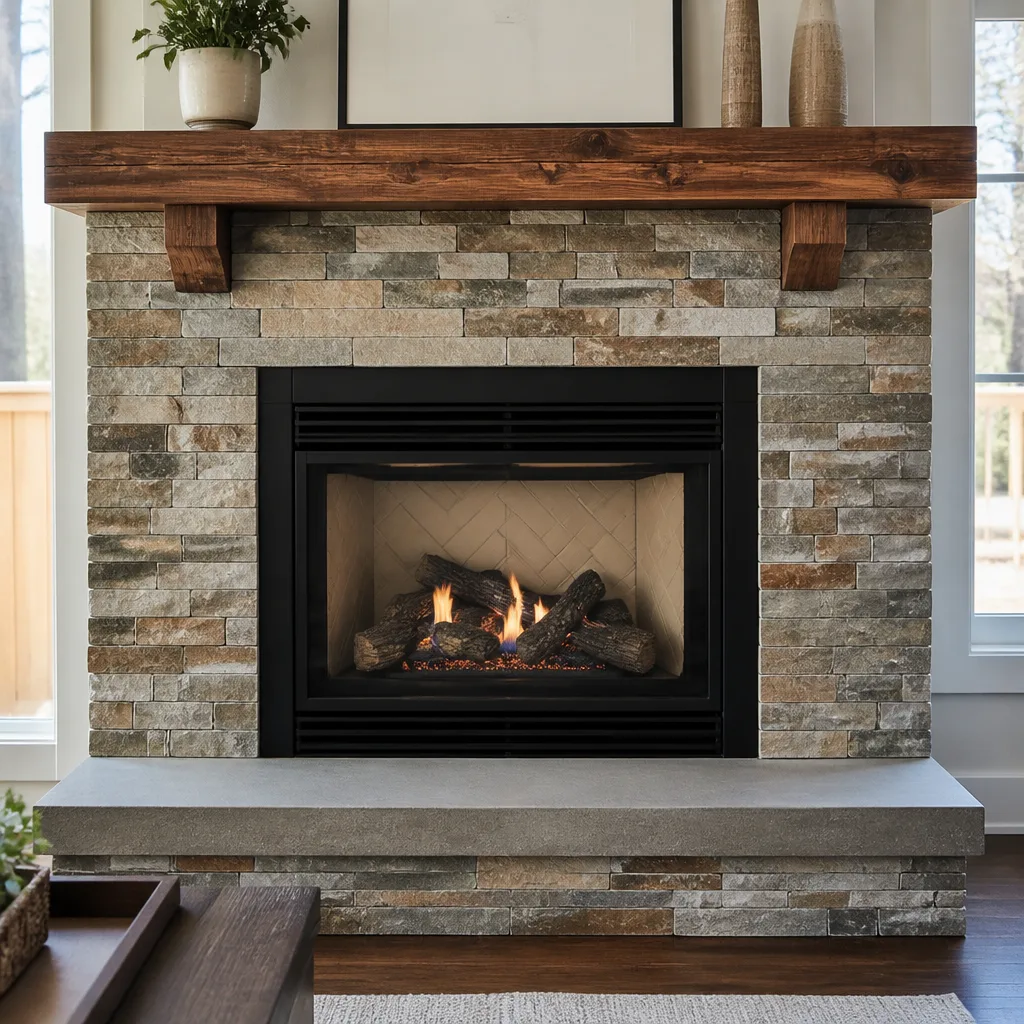 Gas fireplace service
Level 1 sweep and inspection to the NFPA 211 annual standard - flue, crown, cap, and flashing checked and photographed
Chimney sweep logs do not sweep chimneys. They loosen some creosote - which then falls where a brush and vacuum still have to collect it.
Chimney Sweep Maintenance Checklist for Chino Hills Homeowners
Every winter, Chino Hills homeowners light fires they assume are safe, and every spring, they close dampers on chimneys they assume are fine. The reality is more specific: our local climate, with its Santa Ana winds, eucalyptus and palm debris, and long dry spells between permitted burn days, creates a unique set of chimney risks that generic maintenance guides completely miss. This checklist is built around how people in Chino Hills actually use their fireplaces: occasional burns when air quality allows, gas log inserts tucked into older wood-burning boxes, and months of idle time that can do more damage than a full season of use. By the end, you’ll know exactly what to check, when to check it, and which tasks belong to you versus our Chimney Sweep services.
Quick Answer
A Chino Hills chimney needs three seasonal checks: a pre-burn visual inspection and flue check before the first fire, a debris and cap check after any wind event, and a professional sweep and inspection each year even if you only burned occasionally. The single most overlooked item is the idle-chimney check: an unused chimney without a properly fitted cap and cover invites roof rats, birds, and hidden debris that can block the flue or corrode the liner. Use this checklist monthly during burn season, quarterly when idle, and always before the first fire of the season.
Styles & brands we work with
- Sweep & inspection
- Caps & crowns
- Flue relining
- Masonry repair
- Gas fireplace service
Table of Contents
- Seasonal Checklists: What to Do When
- The Idle Chimney Problem Most Checklist Miss
- What You Can Safely Self-Inspect from Ground Level
- Gas Log Inserts: The Maintenance Gap Most Guides Ignore
- What Happens During an Annual Professional Inspection
- Chino Hills-Specific Checks: Roof Rats, Santa Anas, and Eucalyptus
- Documenting and Logging: Your Fireplace Paper Trail
Seasonal Checklists: What to Do When
Every chimney system has four distinct maintenance moments, and each one asks a different question. The pre-burn check asks, “Is this safe to light?” The mid-season check asks, “Is this still performing the way it did in November?” The post-season check asks, “What happened while I was using it?” And the annual professional inspection asks, “What do I need to know that I cannot see from the ground?” Skipping any one of these moments is how small problems become four-figure repairs.
Before First Burn: The Pre-Burn Checklist
The first fire of the season is the one most likely to expose a hidden problem. In Chino Hills, that first burn typically happens in late October or November, when nights cool down and air quality finally allows for a permitted burn day. Here’s what to do before striking a match:
- Look up the flue with a flashlight. Open the damper fully and shine a bright light up from the firebox. You should see the flue liner walls clearly. If you see accumulated soot, a visible gap in the liner, or anything that looks like debris or nesting material, do not light a fire. Call for an inspection.
- Check the damper operation. Open and close the damper several times. It should move freely and seal closed when fully shut. A damper that sticks open or partially closes lets conditioned air escape year-round and lets warm air from the fire escape up the chimney, pulling smoke back into the room.
- Look at the chimney cap from the ground. Use binoculars if you have them. The cap should be seated straight, with no visible cracks, missing sections, or tilting. In Chino Hills, Santa Ana winds can torque caps loose over time, and a missing or loose cap is an open invitation to roof rats and birds.
- Inspect the firebox and hearth. Lay a flashlight across the firebox floor and walls. Look for cracked firebrick, gaps in the mortar joints, or a cracked throat area where the firebox meets the flue. Small cracks are common and not urgent. Gaps larger than a quarter inch or missing firebrick pieces should be inspected before use.
- Check the exterior chimney from the ground. Walk around the exterior and look for spalling brick, cracked mortar joints, or a white chalky residue (efflorescence) that indicates moisture movement through the masonry. Chino Hills suffers from thermal cycling: hot fire days followed by cool coastal air nights, and that expansion and contraction slowly works on mortar joints.
- Clear the hearth zone. Before the first fire, move anything combustible at least 36 inches from the fireplace opening. This includes firewood stacked on the hearth, kindling, baskets, and decor. A surprising number of house fires start from something leaning too close to a hot firebox.
Mid-Season: Monthly Checks While Burning
Once you’re burning regularly, the checks are lighter but more frequent. A monthly check during burn season takes about ten minutes and catches problems while they’re still small.
- Watch the flame color and behavior. A healthy wood fire burns with bright yellow-orange flames and a steady draft. If you see lazy, rolling smoke that spills into the room or flames that burn unusually high and fast, the flue may be partially blocked, the damper may be misadjusted, or the wood may be too wet. Wet wood also creates more creosote, so it’s worth addressing both at once.
- Check for creosote buildup at the damper level. Each month, shine a flashlight up the flue. Creosote is shiny black or brown and sticky. A thin film is normal. A buildup that looks thick, crusty, or flaky is the early warning sign for a chimney fire and needs a sweep. This is the single most important monthly check for wood-burning fireplaces.
- Inspect the cap after wind events. Santa Ana winds in Chino Hills can exceed 50 mph in the foothills along the 71 corridor. After any wind event, step outside and check that the cap is still seated. If it has shifted, birds and rats will find the gap before spring.
- Feel the walls adjacent to the chimney. Put your hand against the wall on either side of the fireplace while a fire is burning. If the wall feels warm to the touch, the chase or masonry may be conducting too much heat. This is a sign to have the chimney checked. It may simply be normal for an older masonry chimney, or it may indicate a gap in the firebox or liner.
Post-Season: Closing Down for Summer
When the last burn of the season is done, your chimney work is not finished. The post-season check is about setting the chimney up to survive the idle months.
- Close the damper fully. An open damper during Chino Hills summers means hot outside air leaks into the house, and cool air leaks out. But a damper left partially open also lets humid air travel up and down the chimney, which accelerates liner corrosion and masonry wear. Make sure it closes with a firm seal.
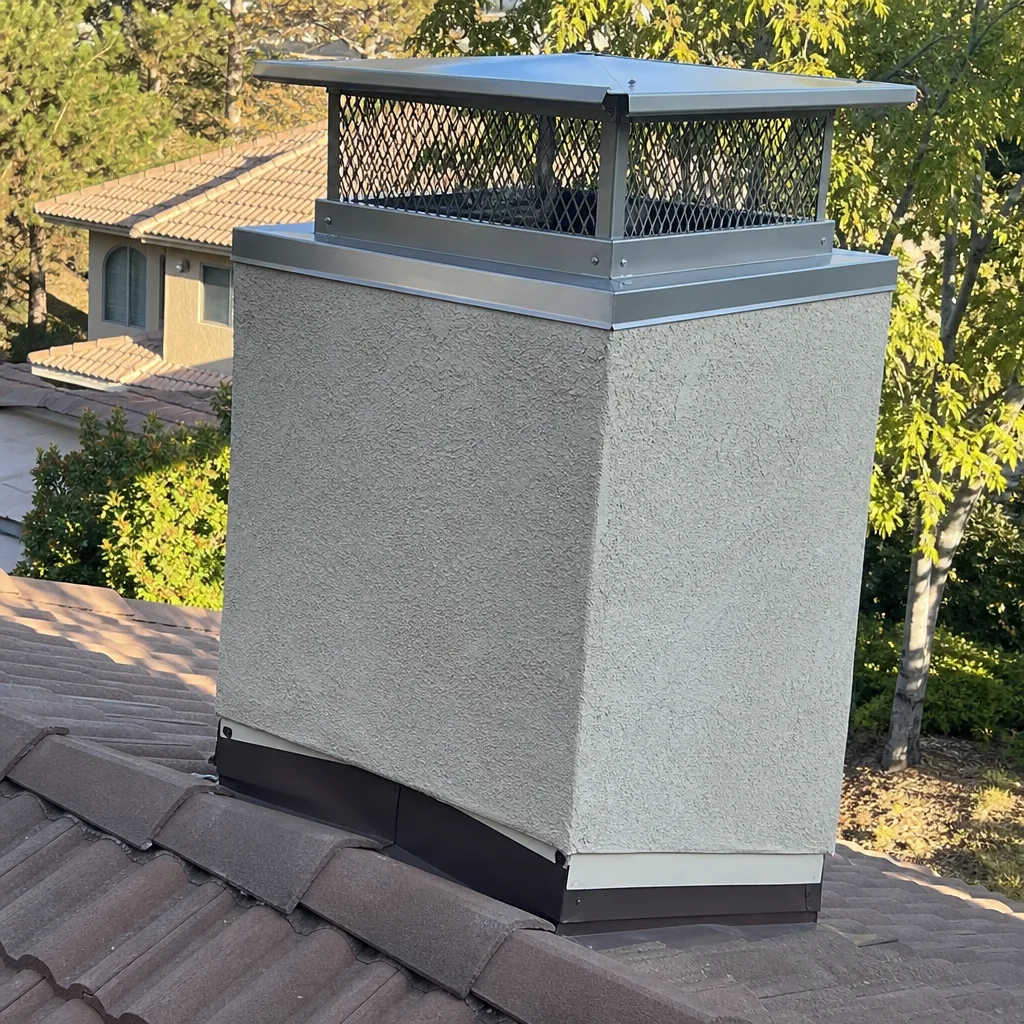
- Install a chimney cap if you don’t have one. A proper multi-flue cap from a brand like Gelco or Olympia Chimney does three jobs: it keeps rain out, it keeps roof rats and birds out, and it contains sparks. If your chimney has no cap, or has one that’s rusted through or badly dented, this is the single highest-value post-season upgrade you can make.
- Remove the ash after it cools completely. Leaving a deep ash bed through the summer is not harmful to the firebox, but it does trap moisture and can become a nesting medium for insects. A shallow layer of ash (about an inch) is actually fine and helps insulate the next fire. A deep, damp pile is not.
- Schedule next season’s professional sweep now, not in October. The slow season for sweeps in Chino Hills is late spring and summer. You’ll get the appointment date you want, the work is done unhurried, and you walk into burn season with a clean, documented chimney.
The Idle Chimney Problem Most Checklists Miss
The most damaging condition in Chino Hills is not a chimney that’s overused. It’s a chimney that sits unused for months in our specific climate. Long idle periods, combined with eucalyptus leaves, palm fronds, and the area’s aggressive roof rat population, create a perfect environment for hidden chimney damage. Here’s what actually happens when a Chino Hills chimney sits idle without a proper cap or regular inspection.
Roof rats, which are well established throughout Chino Hills and the Inland Empire, are excellent climbers. An uncapped or damaged chimney is a vertical highway from your roof to your firebox. Rats build nests in the smoke shelf above the damper, in the flue itself, and in the void spaces around a masonry chimney. Their nests are not just a nuisance; they are dry, combustible material sitting directly in the path of your next fire. We’ve opened up fireboxes in Chino Hills where a full nest tumbled down when the damper swung open.
Birds present a similar problem. Starlings and swallows are tenacious, and a loose or missing cap in spring means a chimney full of twigs, grass, and droppings by summer. Bird droppings are corrosive to metal liners and dampers, and a dead bird in a flue is a smell you will not mistake for anything else.
Beyond pests, the idle chimney collects debris. Eucalyptus bark is stringy and windborne, and it does not decompose quickly. It builds up on chimney shoulders, in the cap mesh, and around the flue opening. Palm fronds break loose in the same Santa Ana winds that knock caps askew. This organic material traps moisture against metal and masonry, accelerating corrosion and mortar breakdown even when you never light a fire.
The fix is straightforward, and it is the single most valuable line item on any Chino Hills chimney checklist: verify the cap is intact and properly seated before every idle period, and before every burn season. For help Choosing the Right Chimney Cleaning Brand: A Buyer’s Guide for Chino Hills, a professional-grade cap sourced from a manufacturer like Olympia Chimney or Famco is built for decades out in the elements, but it still needs to be checked after every wind season.
What You Can Safely Self-Inspect from Ground Level
You don’t need a ladder to do 80 percent of the valuable chimney checks. In fact, you shouldn’t be on a roof at all for most of this; the risk of a fall is real, and a homeowner on a second-story roof in Chino Hills with a leaf blower in one hand and a flashlight in the other is a call nobody wants to make. Most chimney condition can be read from the ground with the right technique.
What to Look For from the Ground
- Cap position and condition. Walk to a spot in the backyard or side yard where you can see the top of the chase or masonry. A cap should sit flat and square. If it’s tilted, lifted, or hanging on one side, the wind has already done damage. In Chino Hills, this is most visible on single-story chases and after high-wind events.
- Crown cracks. The masonry crown is the concrete cap that sits on top of the brick, and it’s visible alongside the metal cap. Hairline cracks are normal aging. Cracks wider than a dime, or chunks missing along the edge, let water into the masonry, and water is the primary driver of chimney masonry failure.
- Efflorescence. That white chalky stain on the brick face is not just cosmetic. It means moisture is moving through the masonry and evaporating, carrying salts to the surface. A little is informative; a lot means the chimney’s water barrier has failed somewhere above, usually the crown, cap, or flashing.
- Flashing condition. Look at the point where the chimney meets the roof line. The metal flashing should lie flat against both surfaces, with no visible gaps, lifting, or rust-through. Roofers in Chino Hills commonly see flashing failure where Spanish tile roofs meet masonry chimneys, because the shape of the tile creates water channels that concentrate runoff at the flashing seam.
- Standing water in the firebox. After any heavy rain, check the firebox floor before you light anything. If it’s damp, water is entering from above, usually through a failed cap or cap mesh, or through damaged flashing. This is the clearest ground-level sign that your chimney’s water management system needs attention.
What Requires a Credentialed Sweep
Anything inside the flue is beyond safe DIY reach. A proper flue inspection requires a chimney camera, not just a flashlight, and a camera inspection requires training to interpret what it shows. Here’s what we inspect with a camera that you cannot see from the ground or the firebox: the full liner interior for hidden cracks or separations, the smoke shelf and damper seat, the condition of the mortar joints inside the flue, and the presence of hidden blockages or animal activity mid-flue. These are the conditions that determine whether your chimney is safe to burn, and they are the conditions that a visual-only check misses.
For any issues you spot from the ground, our Chimney Sweep in Chino Hills service begins with a camera inspection, and we show you the images before we recommend any work. That transparency is the only honest way to buy chimney work.
Gas Log Inserts: The Maintenance Gap Most Guides Ignore
Most chimney maintenance content is written for wood-burning fireplaces, but a huge share of Chino Hills homes use gas log inserts, many of them retrofitted into fireboxes originally built for wood. Gas logs are cleaner and more forgiving, but they are not zero-maintenance, and treating a gas log fireplace like a wood-burning one will cause problems. Here’s what gas log owners in Chino Hills should know.
Gas Logs Still Need the Chimney Checked
The most persistent myth about gas logs is that because there’s no creosote, there’s no need to sweep. The reality is that gas logs vent into the same flue, and that flue still needs to be inspected for blockage, animal intrusion, liner damage, and moisture. A gas flame produces less particulate, but it still produces water vapor and carbon monoxide, both of which need a clear path out. A bird nest or rat nest in the flue is just as dangerous with gas logs as with wood.
What to Check on a Gas Log System
- Look at the flame color. The gas flame should burn blue at the base with yellow tips. A yellow, flickering, sooty flame means incomplete combustion, which produces carbon monoxide. This is a ventilation or burner issue that needs to be looked at. Soot collecting on the logs or glass is a sign the burner and venting are not working correctly.
- Check the gas line with soapy water. Mix dish soap and water and brush it over the gas fittings and line connections. Bubbles indicate a gas leak. This is a two-minute check that should be part of every pre-burn routine for gas logs. If you smell gas at any time, do not light the unit. Shut off the gas valve and call a professional.
- Inspect the venting system. Direct-vent gas logs have a specific venting path that must remain clear. Check that the exterior vent termination is not blocked by leaves, spider webs, or debris, and that the vent cap is still attached. In Chino Hills, eucalyptus bark and palm debris are common vent blockers on exterior walls.
- Clean the logs annually. Turn off the gas, let the unit cool, and carefully remove the logs to vacuum the burner and the firebox floor. The ceramic logs should be replaced exactly as the manufacturer’s diagram shows; misplacing them changes the flame pattern and can create hot spots or sooting. Handle the logs gently; they are ceramic and will crack if dropped.
- Test the carbon monoxide detector. Gas log fireplaces produce CO as a normal byproduct, and a blocked or failing vent turns a normal byproduct into a silent hazard. Every home with a gas log insert should have a working CO detector within 15 feet of the fireplace. Test it at the start of every burn season.
Gas log inserts are usually installed by fireplace dealers, but the chimney components around them, the flue, the cap, the liner, the chase, are still chimney work. Our Chimney Sweep Chino Hills home inspection process covers both the gas appliance and the chimney envelope, so the whole system is evaluated as one unit, not two separate concerns.
What Happens During an Annual Professional Inspection
The annual professional inspection is the backbone of every chimney maintenance plan, and in Chino Hills, it should happen every year, whether you burned twice or two hundred times. An annual inspection is also the only way to maintain a documented maintenance history, which matters for insurance claims and for home sales. For Chimney Sweep Troubleshooting: Common Problems and How to Fix Them, here’s what the inspection actually covers, step by step, so you know what you’re paying for and what the report means.
We start with the exterior. The sweep checks the cap, crown, flashing, brick, mortar, and chase surfaces. Then we move to the firebox: damper operation, firebrick condition, smoke shelf visibility, and the condition of the lintel and throat. Then we run a camera up the flue. The camera is the critical piece. It shows the liner walls in their full length, revealing cracks, spalling, gaps, moisture stains, and any hidden blockage or animal sign. A visual sweep cannot see these conditions. A camera inspection almost always can.
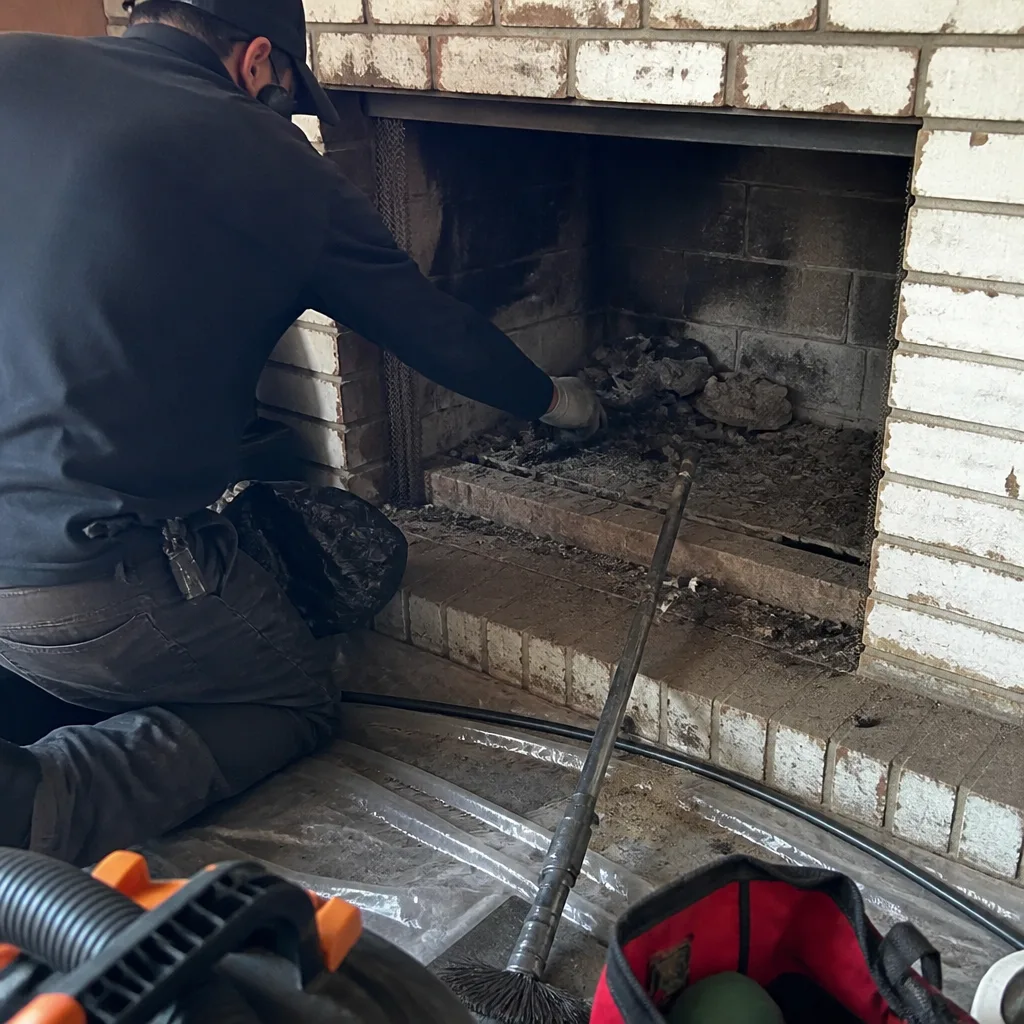
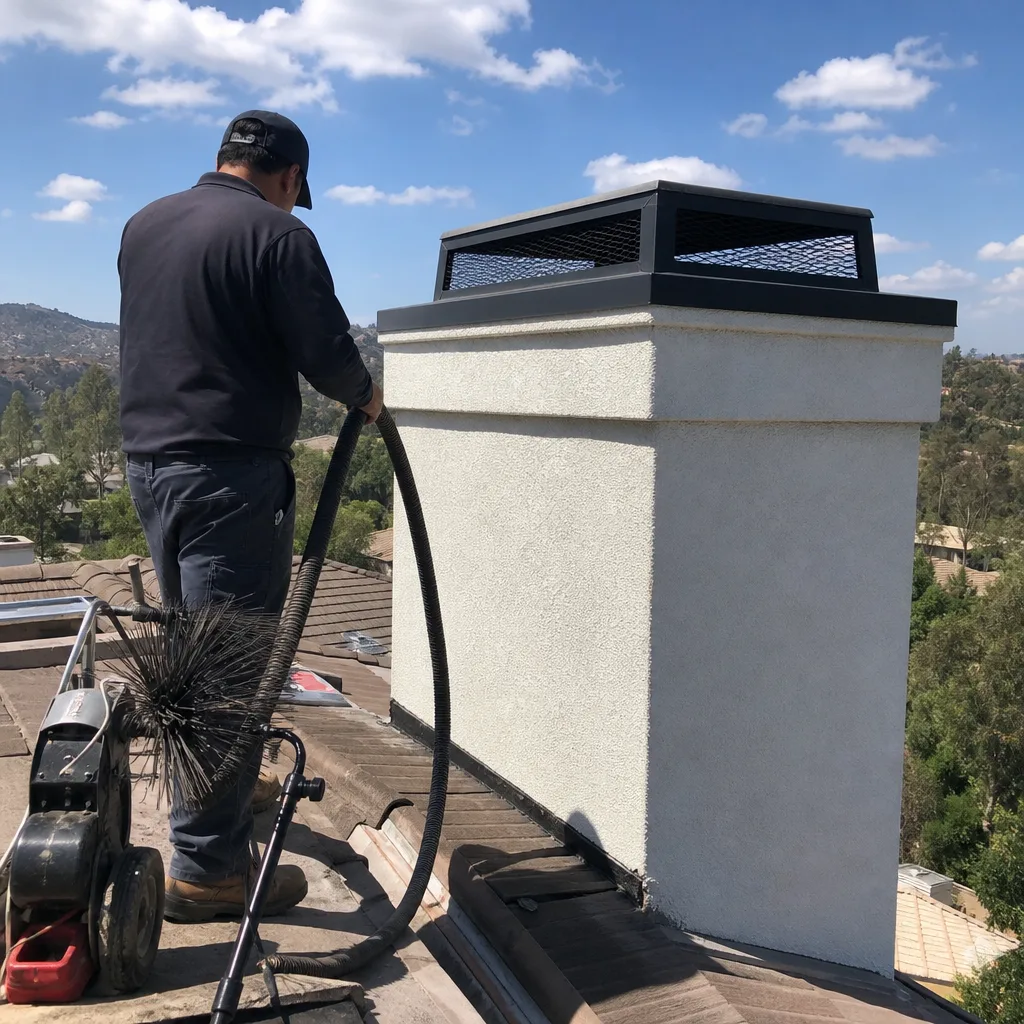
After the camera work, the sweep is performed if needed. The sweep removes creosote and soot from the smoke chamber, the flue, and the throat, using brushes sized to the liner dimensions. The sweep does not replace the inspection; they are two separate jobs, which is why our inspection produces a written report with photos, not just a receipt for a cleaning.
If the camera reveals liner damage or a structural issue, the report is where the Chimney Repair in Chino Hills conversation begins. We show you the images. We explain what we see. We tell you what needs to be addressed now, what can wait, and what is cosmetic. When a liner is damaged, our HeatShield-certified technicians can often resurface the existing flue instead of tearing out masonry, which is a repair most sweep-only companies cannot offer. When a full reline is necessary, we quote a DuraFlex flexible liner system, which works in complex or offset flues that rigid liners cannot navigate.
An annual inspection in Chino Hills typically takes 90 minutes to two hours, depending on the condition and whether a sweep is performed at the same visit. The cost of the inspection is modest against the cost of ignoring these findings for a year; a single chimney fire or a failed liner is a five-figure repair, and the inspection is the only way to see it coming.
Chino Hills-Specific Checks: Roof Rats, Santa Anas, and Eucalyptus
Every region has a chimney signature: the specific combination of weather, pests, and vegetation that shapes the maintenance schedule. Chino Hills has a very particular one, and the basic checklist passes right over it. Here’s what our local conditions demand.
Storm and Wind Debris
Santa Ana wind events in Chino Hills are not rare outliers; they arrive every fall and winter, and they carry everything airborne into your chimney system. Eucalyptus bark from the hills, palm fronds from neighborhood landscaping, and dust from the canyons all collect on chimney caps, in the cap mesh, and around the flue opening. After any significant wind event, do a ground check of the cap and the visible chase. If there’s debris hung on the cap or the mesh looks clogged, schedule a cleaning before it degrades the cap or blocks airflow.
Roof Rats and Wildlife
Roof rats are a year-round reality in Chino Hills, and chimneys are one of their preferred access points. The signs of roof rat activity in a chimney are not always obvious: you may hear scratching from inside the walls near the chimney, or find droppings in the firebox, or notice a smell that comes and goes. If you see any of these signs, do not light a fire to smoke them out; a dead animal in a flue creates the blockage you were trying to prevent. A proper cap with secure mesh is the only reliable prevention. Caps from Gelco and Olympia Chimney are built with fine mesh that keeps even small rodents out while still allowing proper exhaust flow.
Mortar Joint Degradation from Heat Cycling
Chino Hills temperature swings, especially in the autumn, when warm days drop sharply at night, cause continuous expansion and contraction in masonry chimneys. The result over time is mortar joint degradation: the hairline cracks that appear first, then widen, then let water in. This is a slow process and entirely preventable with periodic waterproofing and joint repair, but it only gets caught early if someone is looking at the chimney on a regular basis. In Chino Hills, older masonry chimneys near the 71 freeway corridor and in the neighborhoods around Grand Avenue show this wear more quickly, likely from the combination of age and wind exposure.
Documenting and Logging: Your Fireplace Paper Trail
Most homeowners have no record of when their chimney was last serviced, what was found, or what was repaired. That absence costs money in two ways: when an insurance claim is filed after a chimney fire, and when a home is sold and the buyer’s inspector calls out the fireplace. A documented maintenance history solves both problems.
Start a simple log. It can be a note on your phone or a sheet in a folder, but it should include: the date of every inspection, the name of the company, what was found, what was done, and what was recommended but deferred. If you have a camera report from a sweep, keep the photos. They are the evidence that the chimney was maintained to a professional standard at a specific point in time.
This log becomes valuable in three situations. First, if you ever sell your Chino Hills home, a chimney inspection is a standard contingency item in the Inland Empire market, and a documented maintenance history answers the buyer’s inspector before questions are ever raised. Second, if you file an insurance claim related to a chimney fire or water intrusion, the insurance adjuster will ask when the last professional inspection was performed. A log answers that question with a date and a company name, which is dramatically better than a shrug. Third, if you use the fireplace heavily, the log helps you track burn frequency, which correlates with creosote buildup and tells you whether you’re sweeping on the right schedule.
We provide a written photo report with every inspection. If you maintain that record, or even just keep the receipts, you’re doing more than 90 percent of Chino Hills homeowners. The log is a maintenance tool, but it’s also proof, and in a real estate market like this one, proof has value.
For the dryer side of the same house, we also offer Dryer Vent Cleaning in Chino Hills. Lint-clogged dryer vents are the leading cause of residential dryer fires, and they belong on the same annual checklist as the chimney. Many Chino Hills homeowners schedule both inspections in the same visit, since the inspection equipment and reporting runs similarly.
Common Mistakes to Avoid
- Skipping the cap check because you don’t burn often. The cap protects the chimney even when it’s never used. A missing cap is the single biggest cause of water damage and animal intrusion in Chino Hills chimneys. Check it every quarter, even if the fireplace is dormant.
- Using the fireplace as a trash incinerator. Burning paper, cardboard, or wrapping paper (especially during holiday season) shoots embers up the flue and builds creosote at a rapid rate. Chino Hills permits tight-burning wood only; don’t treat the fireplace like a burn barrel.
- Hiring a sweep based only on price. A low-cost sweep that skips the camera inspection is not cheaper; it’s an incomplete job. Chimney fires and liner failures are the most expensive consequences of an unseen chimney condition. Ask specifically for a camera inspection when you book.
- Leaving the damper open all year. In Chino Hills, this is the equivalent of leaving a window open for months. An open damper allows conditioned air out, hot summer air in, and creates an easy entry path for roof rats and birds. Close it after every burn, and check that it seals.
- Burning wet or unseasoned wood. Eucalyptus and other common local woods hold moisture and produce creosote when burned too fresh. Wood should be seasoned for at least six months, and a moisture meter is a twelve-dollar tool that saves a chimney.
- Ignoring the gas log unit because it doesn’t produce creosote. Gas logs still need the flue checked, the vent cleared, and the burner inspected. Combustion and carbon monoxide do not care what fuel you’re burning. If you own gas logs, run the gas log checklist above every fall.
- Deferring a small water stain in the firebox. Water in the firebox is never a one-time thing. Where water has entered once, it will enter again, and each cycle does more damage to the liner, the damper, and the firebrick. A damp firebox after rain is a call to inspect, not a thing to note and forget.
See the difference
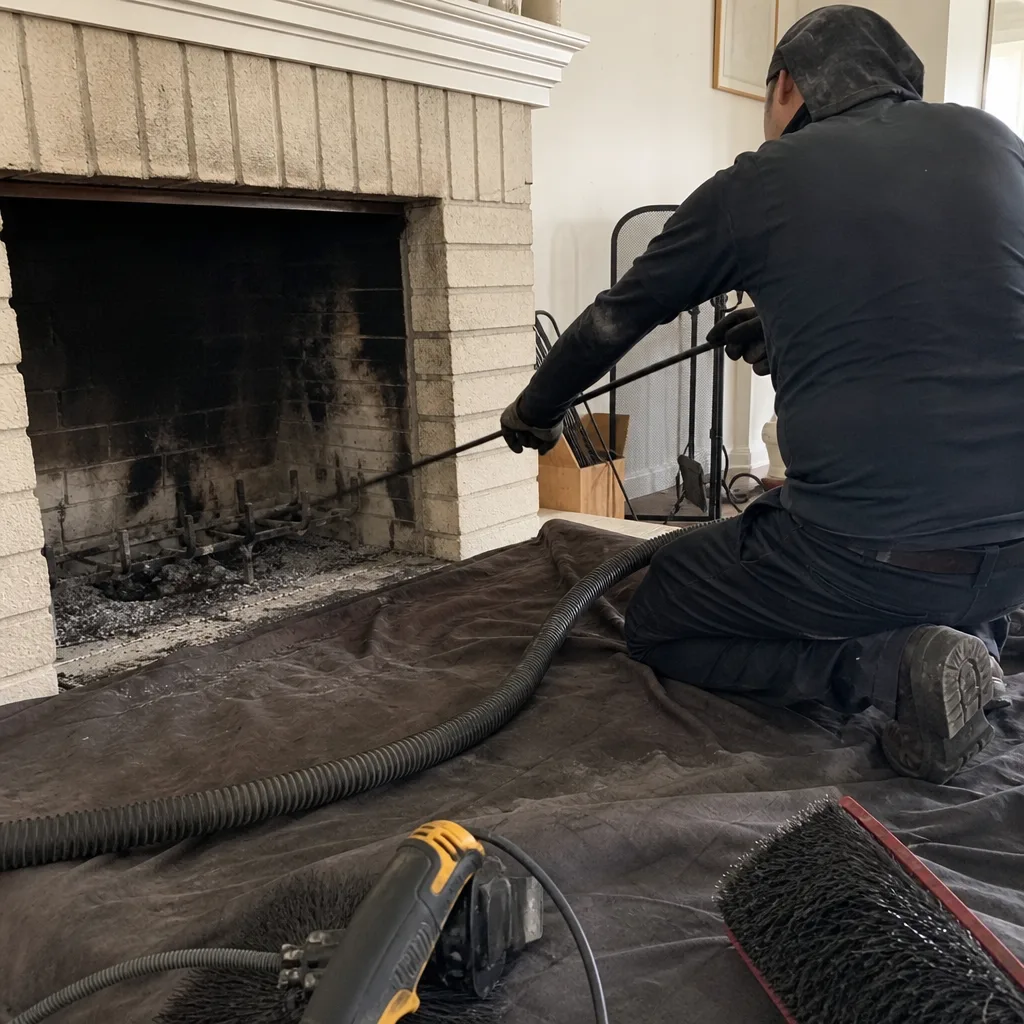 Before
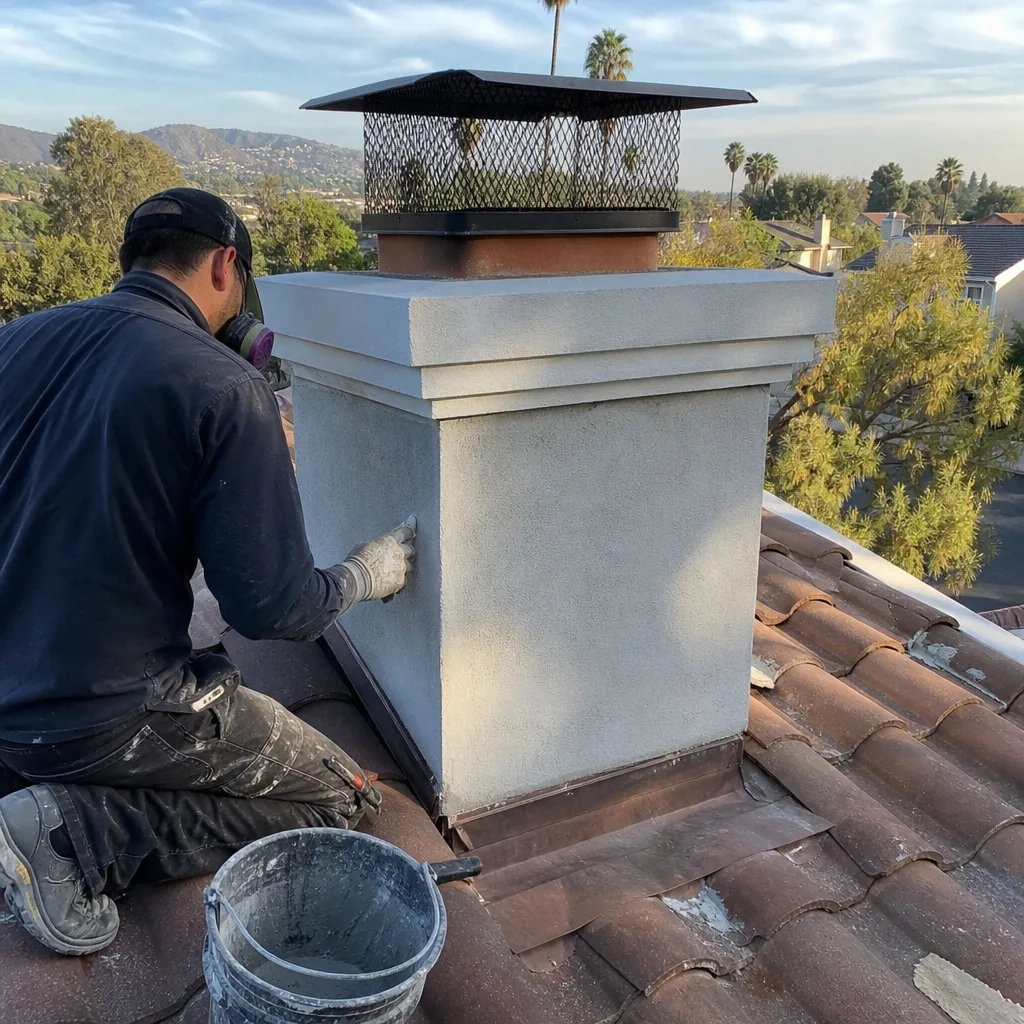 After
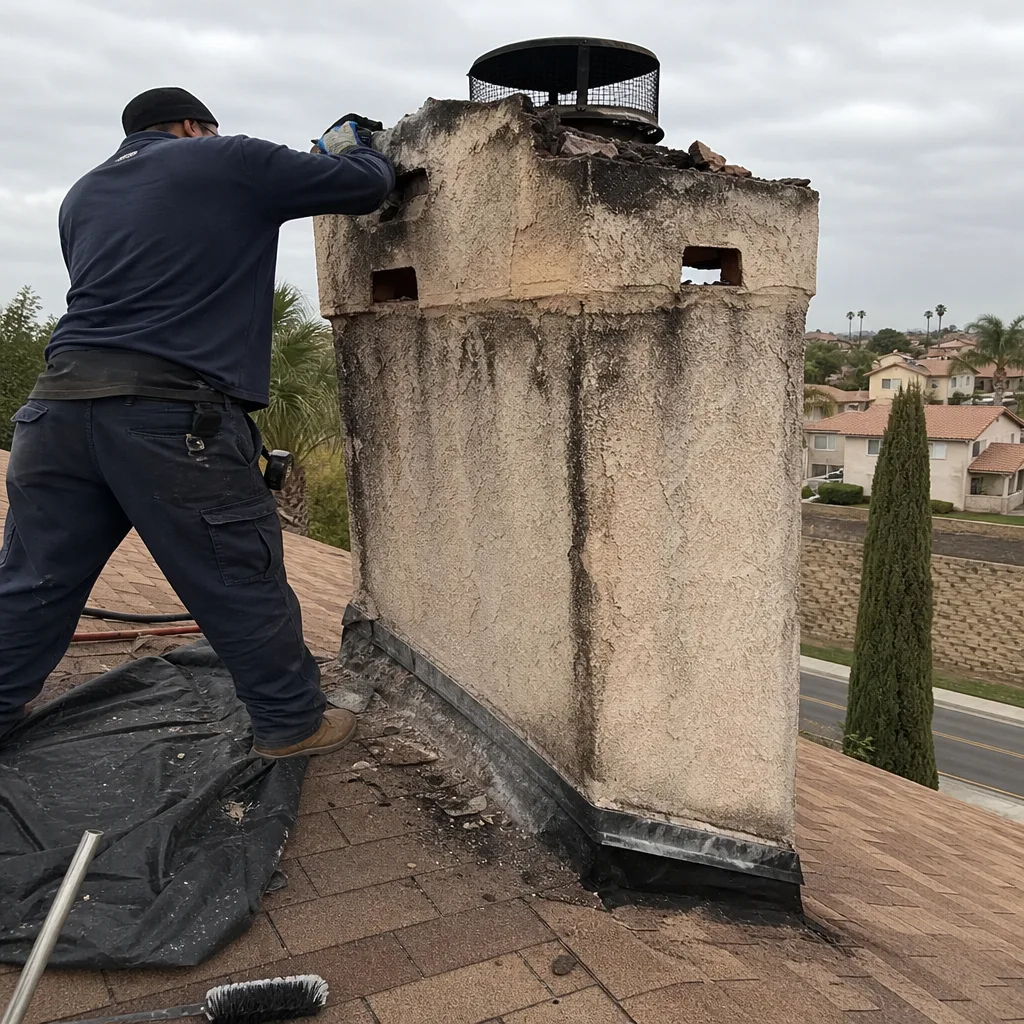 Before
 After
 Before
 After
When to Call a Professional
Some conditions are safe to self-inspect and some are not. Call a professional when: you see visible creosote buildup on the flue walls, you hear or see signs of animals, you notice water in the firebox after rain, you see cracks wider than a dime in the firebrick or masonry, you smell smoke or gas when the fireplace is not in use, your carbon monoxide detector sounds near the fireplace, or you cannot get a clear view up the flue. The dangerous components of a chimney, the high flue, the liner, the cap on a two-story roof, are not DIY-accessible, and a fall from a roof is not worth the inspection. Our team serves all of Chino Hills and performs camera inspections before any recommendation is made, so you see what we see. Chimney Sweep Chino Hills offers free estimates in Chino Hills. Call (877) 358-0941.
Frequently Asked Questions
A wood-burning chimney in Chino Hills should be swept at least once per year, and more often if you burn more than about two cords per season or burn soft, resinous wood like eucalyptus. Gas log chimneys need an annual inspection but may need sweeping less frequently, usually every one to two years depending on what the camera shows. The key variable is the camera inspection, not a calendar; we sweep when the condition calls for it, not on a fixed schedule.
Skipping one year is not automatically dangerous; it’s the pattern that becomes dangerous. What matters is what was happening inside the chimney during that skipped year: animals nesting, water intrusion, creosote accumulation, or liner deterioration. A skipped year followed by a professional inspection is low-risk. A skipped year followed by another skipped year is how Chino Hills homeowners end up with four-figure repairs. Call (877) 358-0941 to schedule an inspection and reset the clock.
A camera inspection in Chino Hills typically costs between $150 and $350, depending on the chimney’s height, the type of liner, and whether it’s combined with a sweep. A sweep and inspection together usually run between $250 and $500 for a standard single-story masonry chimney. The exact cost depends on what the camera finds and what work is needed. Estimates are free, and we can quote an exact inspection price by phone.
You can inspect the visible, accessible points: the cap from the ground, the firebox, the damper, the exterior brick or chase, and the flashing. You cannot inspect inside the flue, and you should not go on the roof to try. A flue liner can be cracked behind clean-looking walls, and only a camera reveals it. Our advice is to do the ground-level checks monthly and book a camera inspection annually.
A sweep is the mechanical cleaning of the chimney: brushes, vacuum, and soot removal. An inspection is the diagnostic process: visual assessment, camera work, and a written report. A sweep removes what’s accumulated; an inspection tells you what condition the chimney is in and whether it’s safe to burn. We perform both, but the inspection is the piece that protects your house; the sweep is just maintenance.
Gas logs need a chimney inspection, and they may need a sweep if debris, soot, or animal material has entered the flue, but they do not produce creosote and therefore need mechanical sweeping far less often than wood-burning fireplaces. What gas logs absolutely need is a clear vent path and a working carbon monoxide detector. If you have gas logs and haven’t had the chimney inspected in years, start there.
The Bottom Line
A chimney checklist for Chino Hills has to be local to be useful. The right cap, checked quarterly. The flue, inspected by camera annually. The firebox, kept clear and dry. The gas logs, maintained on their own schedule. The idle months, monitored because that’s when most of the damage happens in our climate. Do the ground-level checks yourself. Book the annual camera inspection professionally. Keep a log. For more guides & resources, visit our blog. And when the checklist turns up something you can’t see clearly, call a sweep before you light anything. Chimney Sweep Chino Hills offers free estimates in Chino Hills. Call (877) 358-0941.
Written by the team at Chimney Sweep Chino Hills, serving Chino Hills since 2017.