
Last updated November 2, 2026
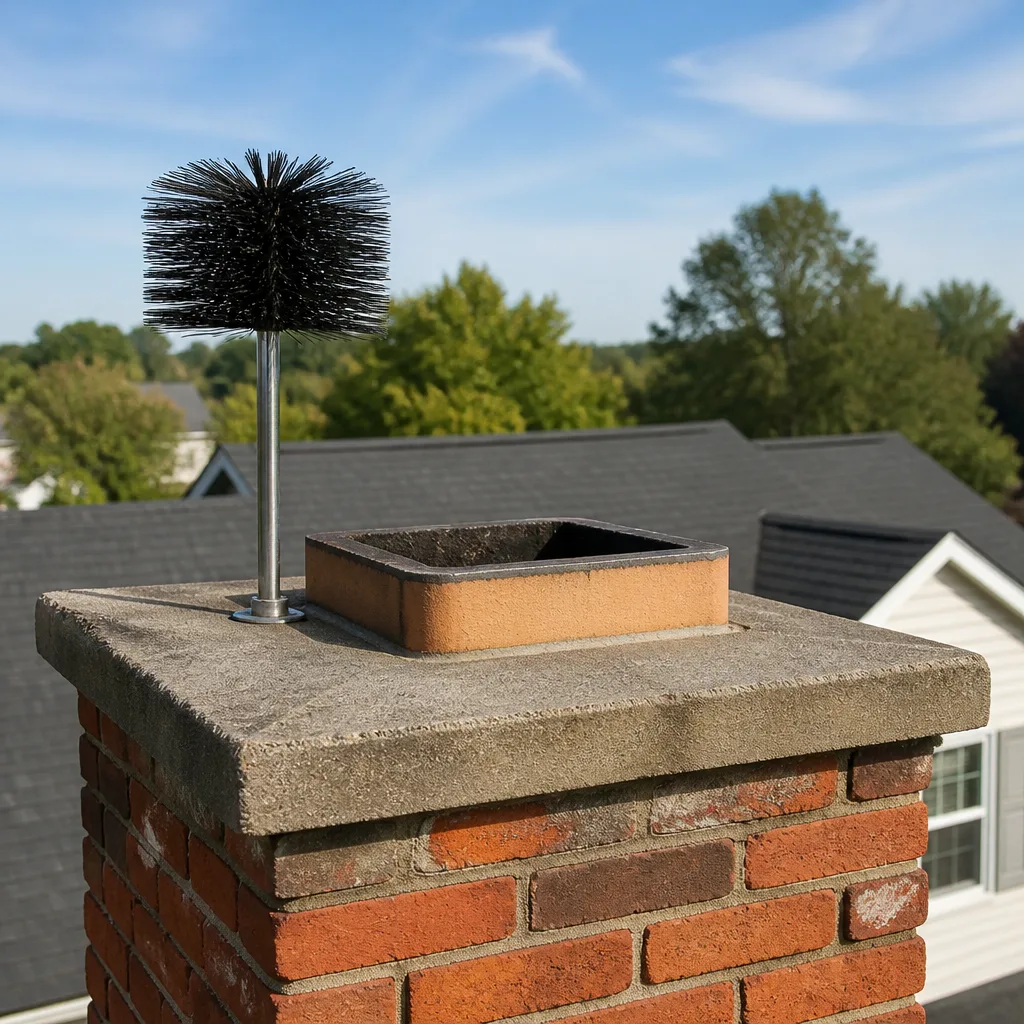 Sweep & inspection
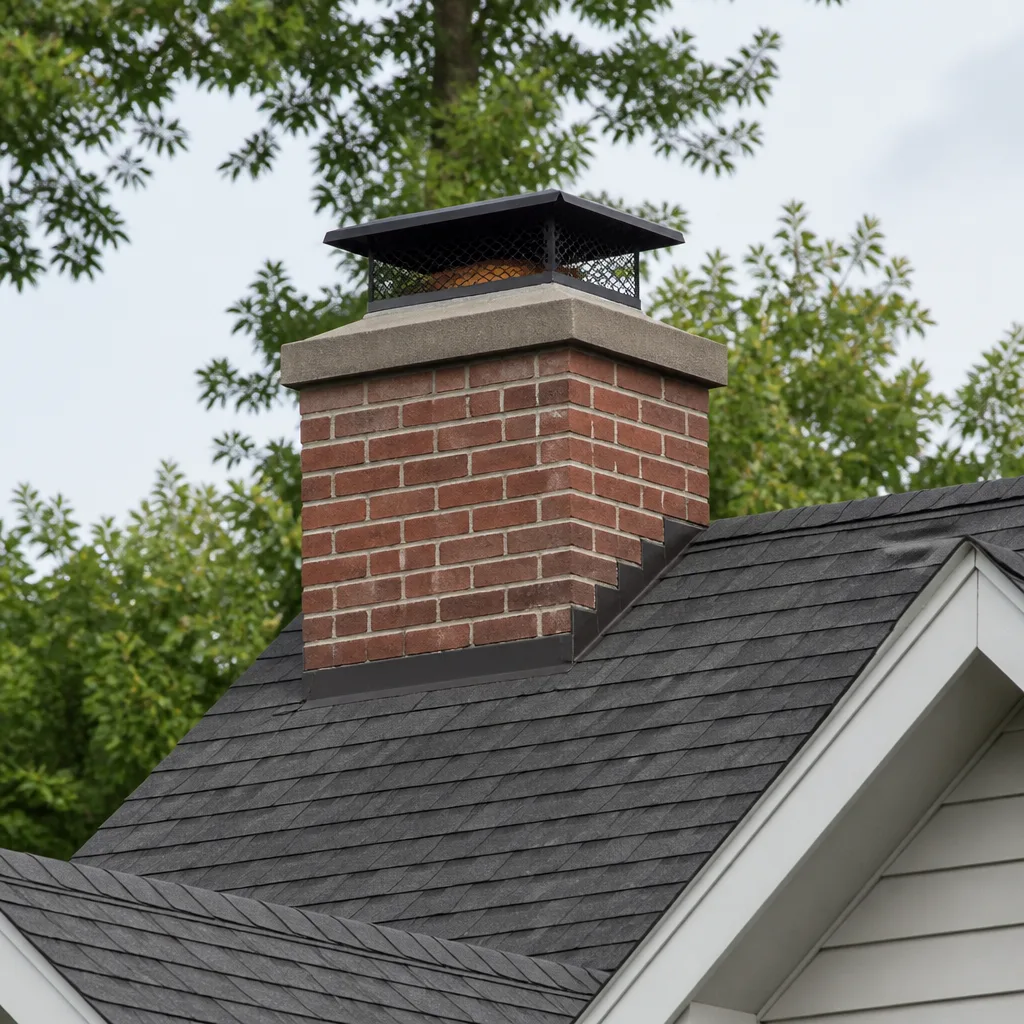 Caps & crowns
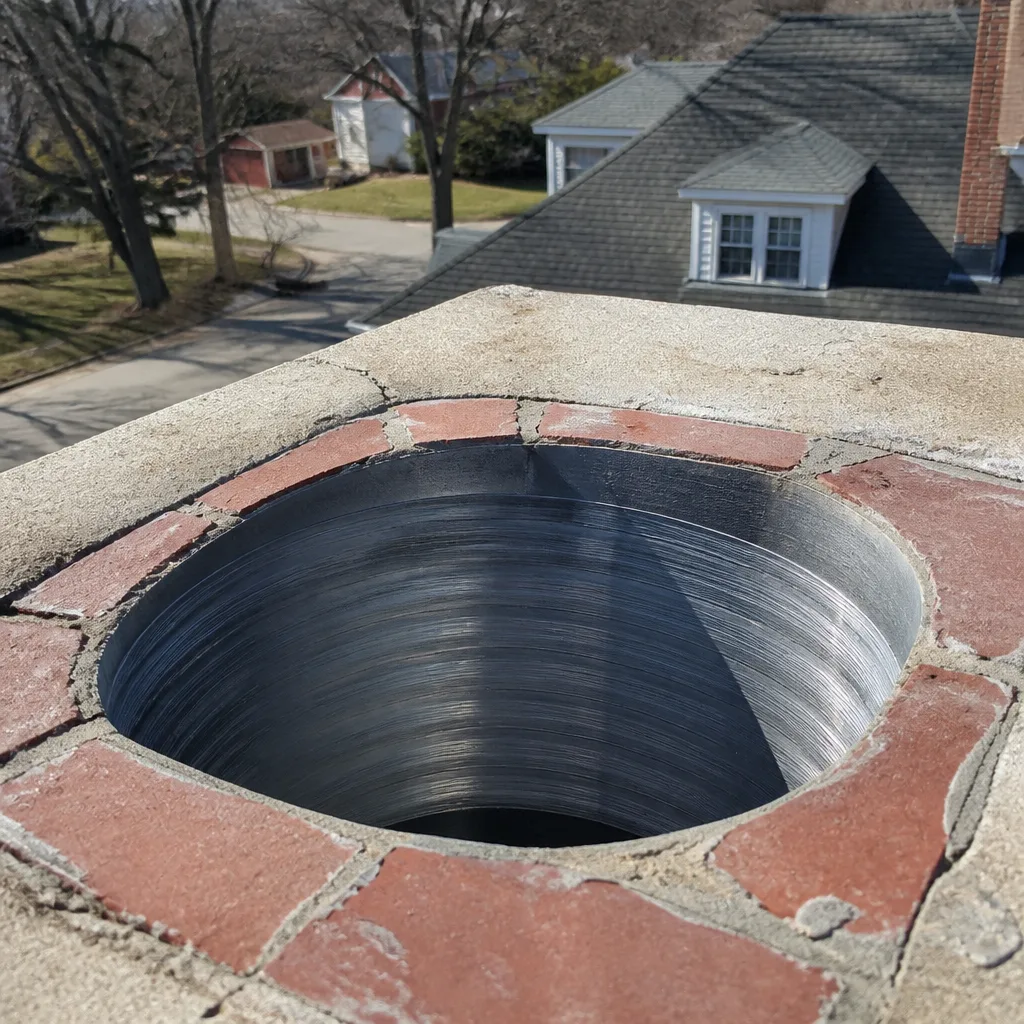 Flue relining
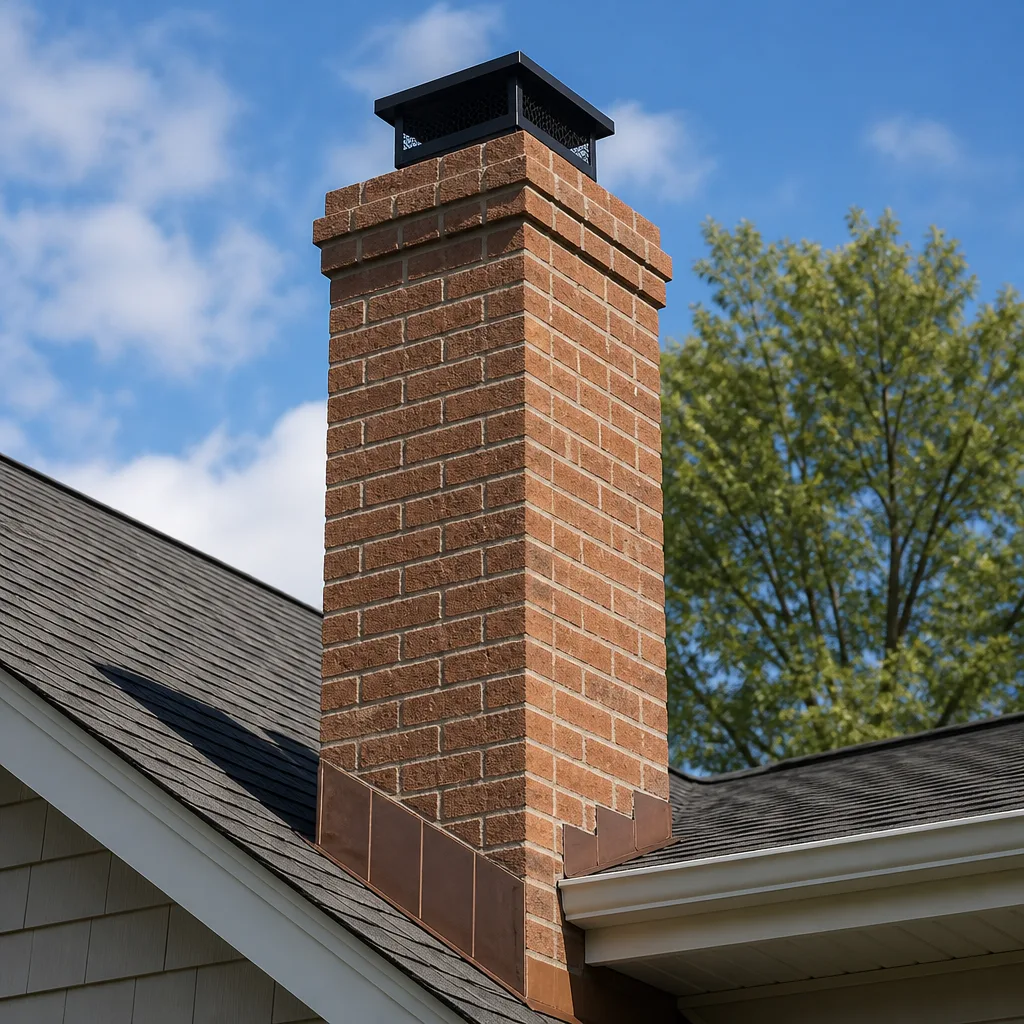 Masonry repair
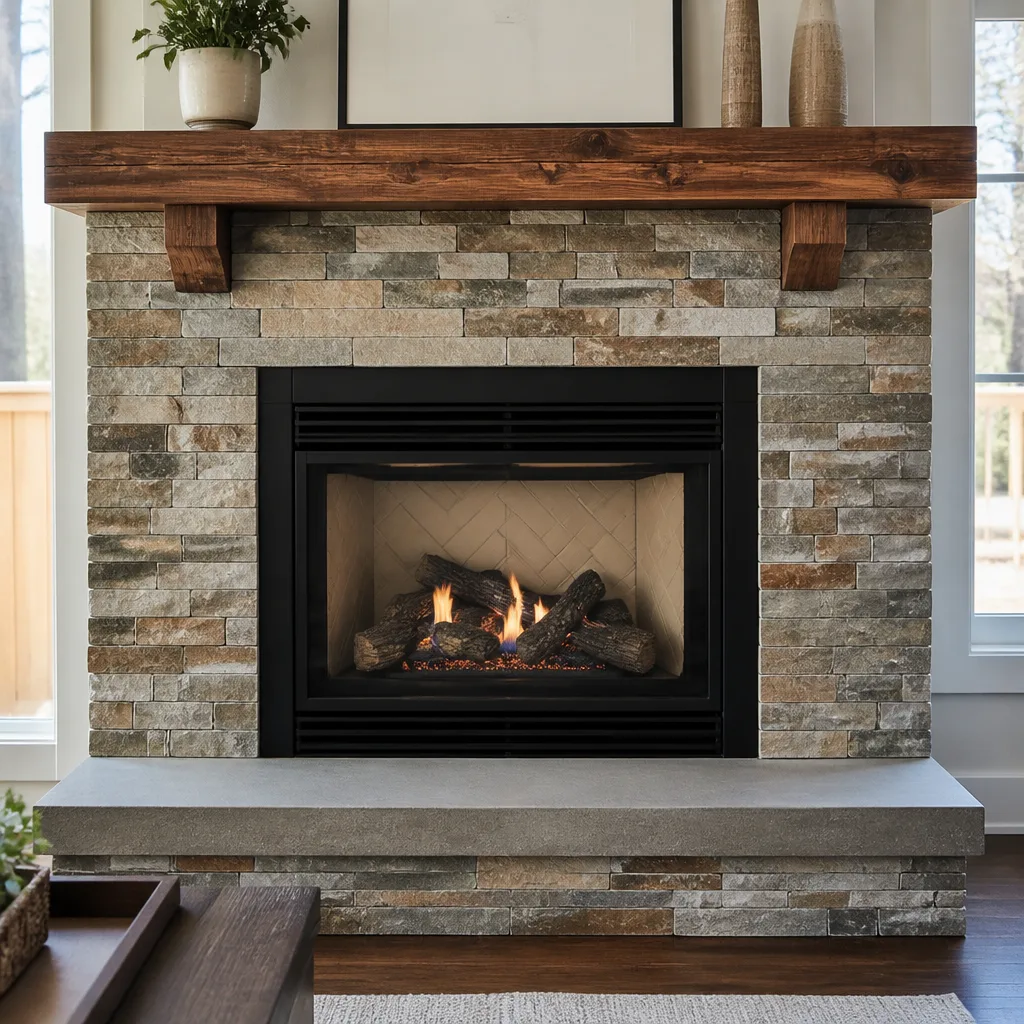 Gas fireplace service
Level 1 sweep and inspection to the NFPA 211 annual standard - flue, crown, cap, and flashing checked and photographed
Chimney sweep logs do not sweep chimneys. They loosen some creosote - which then falls where a brush and vacuum still have to collect it.
Chimney Cleaning Permits, Codes & Inspections in CA: What You Need to Know
Here’s the thing most homeowners never learn until it’s too late: a chimney cleaning is a service call, not a construction project. No permit, no inspection, no paperwork. But the moment your sweep points a camera up the flue and says the word “liner” or “firebox,” you might have just crossed into regulated territory. In Chino Hills, where homes range from 1980s tract builds to custom hillside properties with complex chase designs, understanding where that line sits can save you thousands when you sell, and keep you on the right side of a building inspector who may eventually review your home’s permit history. This guide maps out exactly what California requires, what it doesn’t, and where homeowners get tripped up, and you can find more guides & resources on our blog.
Styles & brands we work with
- Sweep & inspection
- Caps & crowns
- Flue relining
- Masonry repair
- Gas fireplace service
Quick Answer
A routine chimney sweeping in California never requires a permit. What can require one is the repair work a thorough inspection sometimes uncovers: liner replacement, firebox rebuilding, or structural modification to the chimney chase. In Chino Hills, the City’s building department requires permits for most chimney repairs beyond surface-level maintenance, and any damper you install must meet Title 24 energy code requirements. Wood-burning activity is also regulated by SCAQMD Rule 445, which applies to every address in Chino Hills.
Table of Contents
- Cleaning vs. Repair: Where the Permit Line Actually Sits
- Chino Hills Building Department: What the City Reviews
- Title 24 and Chimney Dampers: The Energy Code Nobody Mentions
- SCAQMD Rule 445: Wood Burning Rules That Affect Chino Hills Homeowners
- NFPA 211: The Standard Behind Every California Chimney Inspection
- What a Post-Repair Municipal Inspection Actually Involves
- Common Mistakes to Avoid
- When to Call a Professional
- Frequently Asked Questions
- The Bottom Line
Cleaning vs. Repair: Where the Permit Line Actually Sits
Let’s be precise, because the distinction matters more than most people realize. A chimney sweep is maintenance work. You’re removing creosote and soot that have accumulated on the interior walls of the flue. Nothing is being installed, removed, or structurally altered. No permit is required anywhere in California for this, and no city in San Bernardino County will ask for one. We’ve swept thousands of chimneys in Chino Hills, and not once has a municipal permit been part of that conversation.
But repairs are different, and the line between them isn’t always obvious from the homeowner’s side of things. Here’s a working framework:
- No permit needed: Sweeping, level 1 or level 2 camera inspection, minor rust removal on the damper assembly, replacing a worn chimney cap with a like-for-like model.
- Permit may be required: Relining the flue with a stainless steel system like DuraFlex, rebuilding the firebox, changing the chimney’s exterior structure, or converting a wood-burning fireplace to gas.
- Permit definitely required: Any structural modification to the chimney chase, any increase or decrease in flue size, and in most jurisdictions, any repair that removes and replaces more than a threshold percentage of the fireplace assembly.
In our experience across Chino Hills and the surrounding Inland Empire, the most common scenario is this: a homeowner calls for a sweep, we inspect with a camera, and the footage reveals cracked flue tiles or a deteriorated liner – exactly the kind of problems covered in our Chimney Cleaning Warning Signs: A Chino Hills Homeowner’s Reference Guide. The homeowner assumed they were getting a $200 cleaning. They’ve just learned they need a repair that may require a permit. This is exactly why we show every customer their inspection footage before discussing any repair recommendation. You should never be asked to make a permitting decision without seeing the condition that triggered it.
When a repair does require a permit, the responsible party is typically the contractor performing the work. In California, licensed contractors are expected to pull permits for work that falls under building code jurisdiction, and they should itemize permit fees separately on your estimate. If a contractor tells you they “don’t need a permit” for a liner replacement in Chino Hills, that’s a red flag worth investigating before work begins, and our Chimney Sweep Troubleshooting: Common Problems and How to Fix Them explains other warning signs to watch for. Unpermitted work can surface during escrow and delay or derail a home sale, and that’s a liability no homeowner wants to carry quietly.
Chino Hills Building Department: What the City Reviews
The City of Chino Hills operates under the California Building Standards Code (Title 24 of the California Code of Regulations), with local amendments adopted by the City Council. When a chimney repair requires a permit, the building department reviews the scope of work for compliance with structural and fire-safety provisions. In practice, for chimney work this usually means:
- Plan review for structural repairs: If you’re rebuilding a firebox or altering the chase, the city wants to know dimensions, materials, and clearances to combustible framing.
- UL listing verification for liners: A stainless steel liner system like DuraFlex is UL-listed and accepted by the City of Chino Hills, but the permit application should reference the specific product and its listing.
- Damper compliance check: Any replacement damper installed in Chino Hills must meet current Title 24 airtightness requirements (more on this below).
- Final inspection scheduling: Once the work is done, the city sends an inspector to verify the work matches the approved scope before signing off.
Permit costs vary by the valuation of the work. A simple liner replacement permit in Chino Hills might run a few hundred dollars; a full firebox rebuild with structural modifications will be more. The best way to get an accurate number is to call the City of Chino Hills Building Division directly or ask your contractor to include the permit fee as a line item in the estimate. We always itemize permits when they’re required, so you know exactly where your money is going.
One more thing worth noting, because it surprises people: the City of Chino Hills does not require a permit for routine sweeping, and it doesn’t require sweeping itself. There is no municipal mandate that you clean your chimney annually. The requirements that matter are tied to the work, not the maintenance. So the question to ask yourself isn’t “Do I need a permit to clean my chimney?” It’s “If the cleaning turns up a problem, am I prepared for what the fix requires?” That’s the better way to frame it.
Title 24 and Chimney Dampers: The Energy Code Nobody Mentions
California’s Title 24 energy code has a provision that most homeowners never encounter until a damper fails. The code requires that any newly installed or replaced fireplace damper in residential construction be a listed, gasketed, tight-sealing model. In plain terms: if your old cast-iron damper warps, cracks, or rusts through, and you replace it, the replacement cannot be the same loose-fitting design. It has to seal tightly enough to prevent conditioned air from escaping up the flue when the fireplace isn’t in use.
This matters for three reasons:
- Cost: Title 24-compliant dampers cost more than the basic replacements sold at hardware stores. A proper top-sealing damper, for example, runs several hundred dollars before labor.
- Inspection exposure: If your damper replacement is part of a larger permitted repair, the inspector will check the damper’s listing and installation. A non-compliant damper fails inspection.
- Energy performance: A tight-sealing damper genuinely reduces heat loss. In Chino Hills, where winter temperature swings mean fireplaces get used on cool evenings but the heat pump runs on cold mornings, a leaking damper bleeds conditioned air year-round.
- No-burn days are mandatory. When SCAQMD calls a No-Burn Day due to high fine particulate matter, burning wood or manufactured fire logs in a residential fireplace is prohibited. The rule applies to every home in Chino Hills, including those with EPA-certified wood stoves (though some pellet stoves are exempt).
- Certain installations are prohibited outright. Rule 445 bans the installation of new non-EPA-certified wood-burning fireplaces and stoves in new residential developments. In practice, this means new construction in Chino Hills gets gas or electric fireplaces by default.
- Existing wood-burning fireplaces are grandfathered. You can keep the fireplace you have. But when it needs repair, you face a practical question: repair the wood-burning system, knowing No-Burn Days will restrict its use, or convert to gas or a sealed direct-vent system with no burn restrictions at all.
- Level 1: A visual inspection of readily accessible areas, done during routine maintenance when the system hasn’t changed and no problems are suspected. This is what accompanies most annual sweepings.
- Level 2: A more thorough inspection using camera equipment and sometimes rooftop access, required when the system has changed (new appliance, new liner), when a property is being sold or transferred, or after an event like a chimney fire or earthquake. In Chino Hills, where we sit in a seismically active region, post-earthquake chimney inspections are genuinely worth doing.
- Level 3: The most invasive level, involving removal of building components to access concealed areas of the chimney system. Rarely needed, but sometimes required when a Level 2 inspection can’t determine the extent of hidden damage.
- Scheduling: The contractor or homeowner calls the City of Chino Hills Building Division to request the final inspection. Expect a window, not an exact appointment, typically a few business days out.
- Documentation on site: The permit paperwork and any approved plans need to be available for the inspector. If the permit specified a certain liner system, have the product documentation handy.
- Walkthrough: The inspector reviews the work against the approved scope. For a liner replacement, they check the termination cap at the top, the connection at the appliance, and any firestopping or clearances that were part of the permit.
- Sign-off or correction: If the work passes, the permit is closed. If not, the inspector issues a correction notice and the contractor fixes whatever was flagged before rescheduling.
- Assuming the sweep’s recommendation is optional paperwork. If your sweep finds a cracked liner and recommends replacement, that’s a fire-safety issue, not an upsell, and the repair work that follows likely needs a Chino Hills permit. Ignoring it doesn’t make the liability go away.
- Trusting a contractor who says permits are unnecessary for everything. Some chimney work genuinely doesn’t need one. Liner replacement usually does. A contractor who waves off permits with “we do it all the time” is asking you to carry the risk they’re avoiding.
- Replacing a damper with whatever fits from the hardware store. Title 24’s airtightness requirement means the cheap cast-iron damper isn’t a code-compliant replacement, and if the work is ever inspected, it’ll fail.
- Burning wood on a No-Burn Day out of habit. SCAQMD fines aren’t theoretical. In Chino Hills, where air quality is already a regional concern, enforcement gets more serious during inversion season.
- Treating a chimney inspection as a quick visual glance. NFPA 211 Level 2 inspections use cameras for a reason, and they’re the standard for real estate transactions. If your home sale is pending and no camera went up the flue, you don’t actually know the chimney’s condition.
- Letting a permit sit open after the work is done. Finalize it. Open permits follow properties, not contractors, and you’ll be the one explaining it to a buyer’s agent later.
- Deciding on repair vs. conversion without considering SCAQMD rules. If you’re spending thousands on a wood-burning system in a district with No-Burn Days, you should at least know what a gas conversion would cost and how it changes your options.
We install and service top-sealing dampers regularly in Chino Hills homes, and the Title 24 angle is one we raise explicitly when a damper is beyond repair. It isn’t an upsell; it’s a code requirement that affects what parts are legal to install in the first place. If a company offers to replace your damper with a cheaper non-listed model, they’re not doing you a favor, they’re creating a compliance problem you’ll inherit later.
What about fireplaces that are purely decorative and never used? Title 24 doesn’t exempt an unused fireplace from the damper requirement if the damper is being replaced as part of permitted work. The replacement still has to meet code. The only permanent way to eliminate the flue’s energy loss is to close off and seal the fireplace and chimney, which is a different conversation entirely.
SCAQMD Rule 445: Wood Burning Rules That Affect Chino Hills Homeowners
Chino Hills sits inside the South Coast Air Quality Management District, and SCAQMD Rule 445 is the regulation that governs residential wood burning across the district. Understanding this rule is important because it affects the decisions homeowners make about whether to keep burning wood at all, and it shapes the repair-versus-convert conversation when a chimney needs major work.
Here’s what Rule 445 actually says, in practical terms:
We see this decision point regularly in Chino Hills. A homeowner with a 1990s fireplace has a cracked firebox or a liner that needs replacing. The cost to repair the wood-burning system properly, with a DuraFlex liner and firebox rebuild, is substantial. For similar or less money, they can convert to a gas log set or a direct-vent gas insert that eliminates the No-Burn Day issue entirely and cleans up the indoor air quality at the same time. Neither choice is wrong, but the SCAQMD rules should inform it.
For enforcement, SCAQMD relies on citizen complaints and spot inspections rather than active monitoring of every chimney. Fines for burning on a No-Burn Day can reach hundreds of dollars for repeat violations. The district publishes No-Burn Day alerts online and through local media, and most Chino Hills residents check those alerts during the fall and winter months when thermal inversions trap particulate matter over the Inland Empire.
NFPA 211: The Standard Behind Every California Chimney Inspection
NFPA 211 is not a California statute. It doesn’t appear in the state’s building code by direct reference the way some other NFPA standards do. But in practice, it functions as the de facto yardstick that inspectors, insurance adjusters, and professional chimney sweeps all use when evaluating a chimney’s condition.
The National Fire Protection Association publishes NFPA 211 as the Standard for Chimneys, Fireplaces, Vents, and Solid Fuel-Burning Appliances. It defines three levels of chimney inspection, and any reputable Chimney Sweep in Chino Hills will frame their inspection work around these levels:
Why does this matter for permits and codes? Because when a building inspector in Chino Hills reviews chimney work, they assume the work was preceded by an inspection that identified the deficiency. A permit application for a liner replacement should reference the condition that necessitated it. A contractor who recommends a full reline without camera documentation of the existing flue’s condition is asking you to trust them blindly. We don’t operate that way, and NFPA 211 gives you the framework to ask for the evidence you should be seeing anyway.
Insurance adjusters use NFPA 211 too. If you file a claim after a chimney fire, the adjuster will want to know what level of inspection was done before the fire, and whether documented maintenance recommendations were ignored. That’s a conversation nobody wants to have with their insurer, and regular documented inspections are the cheapest insurance against it.
What a Post-Repair Municipal Inspection Actually Involves
When a permit is required for chimney work in Chino Hills, it isn’t done until the city says it’s done. The final inspection is the step that closes out the permit and releases the homeowner from the open-permit exposure that clouds titles during escrow. Here’s what that inspection looks like in practice:
The inspection itself is typically quick, under an hour for most chimney repairs. What takes time is making sure the work is actually complete and correct before the inspector arrives. A good contractor does their own quality check first, knowing that a failed inspection costs everyone another scheduling cycle.
For homeowners, the key takeaway is simple: never let a contractor leave the job with an open permit. The permit should be finalized, with all inspections passed, before you consider the project complete. If you’re planning to sell your Chino Hills home in the next few years, an open permit from chimney work done a while back is a common escrow headache, and it’s one that’s entirely avoidable.
What if you discover unpermitted chimney work from a previous owner? It happens more than you’d think, especially with flips where a fast sale motivated short cuts. You can apply for a permit retroactively through the City of Chino Hills, but the process is more involved because the work may need to be exposed for inspection. This is exactly the kind of thing a thorough Chimney Repair in Chino Hills inspection can help you understand before you’re in escrow and running out of time.
Common Mistakes to Avoid
When to Call a Professional
Call a professional anytime you’re unsure whether the chimney work you’re planning crosses the permitting line. That includes any liner replacement, firebox repair, damper replacement, or conversion from wood to gas. You should also call after any earthquake strong enough to shift furniture, since chimney damage isn’t always visible from the living room.
If your fireplace hasn’t been inspected with a camera in the last three years, that’s a strong candidate for a Level 2 inspection, especially if you’ve been using the fireplace regularly. And if you’re buying or selling a home in Chino Hills, a documented chimney inspection is part of doing the transaction right.
Chimney Sweep Chino Hills offers free estimates in Chino Hills, call (877) 358-0941. We’ll show you the camera footage and walk through exactly what the codes mean for your specific chimney.
Frequently Asked Questions
No. Routine chimney sweeping is maintenance, not construction, and no California city requires a permit for it. In Chino Hills, you can schedule a sweep anytime, and the work carries no permit or inspection obligations.
Liner replacement, firebox rebuilding, structural chase modifications, and most wood-to-gas conversions require permits through the City of Chino Hills Building Division. Minor repairs like cap replacement with a like-for-like part typically don’t.
Yes. Title 24 requires replacement dampers to be tight-sealing, listed models. A standard cast-iron damper installed as a replacement won’t meet the requirement, which becomes an issue if the work is inspected or flagged during a home sale.
It means you can’t burn on designated No-Burn Days, and it bans new non-certified wood-burning installations. Existing fireplaces are grandfathered, but the rule is a real factor when deciding whether to repair a wood-burning system or convert to gas.
In the Chino Hills area, a Level 1 visual inspection is typically included with a sweep. A Level 2 camera inspection, the standard for real estate transactions and system changes, runs as a separate fee and provides video documentation of the flue’s condition. Call (877) 358-0941 for current pricing.
The open-permit or unpermitted work may surface during escrow, and the seller is typically responsible for resolving it. That can mean pulling a retroactive permit, exposing the work for inspection, and paying for any corrections. It’s better to address permit status before listing.
No. Dryer Vent Cleaning in Chino Hills is governed by different sections of the mechanical code and doesn’t require a building permit, but it does have its own fire-safety implications. Clogged dryer vents are a leading cause of residential dryer fires, and cleaning doesn’t require dealing with SCAQMD or Title 24 at all.
The Bottom Line
A chimney cleaning is simple: no permit, no code review, no municipal involvement. The complexity starts when the cleaning uncovers a repair need, and that’s where California’s regulatory framework, Title 24, SCAQMD Rule 445, and Chino Hills permitting requirements begin to matter. The homeowner who understands this distinction before the camera goes up the flue is prepared to make good decisions about repair versus conversion, permitted versus unpermitted, and documented versus assumed. The homeowner who doesn’t understand it risks title issues, inspection failures, and fire hazards they never saw coming.
If you’re in Chino Hills and you want a straight answer about your chimney’s condition, Chimney Sweep Chino Hills home is where it starts. We sweep, inspect, and repair, and we’ll show you the evidence before we recommend a thing. Call (877) 358-0941 to schedule.
Written by the team at Chimney Sweep Chino Hills, serving Chino Hills since 2017.
See the difference
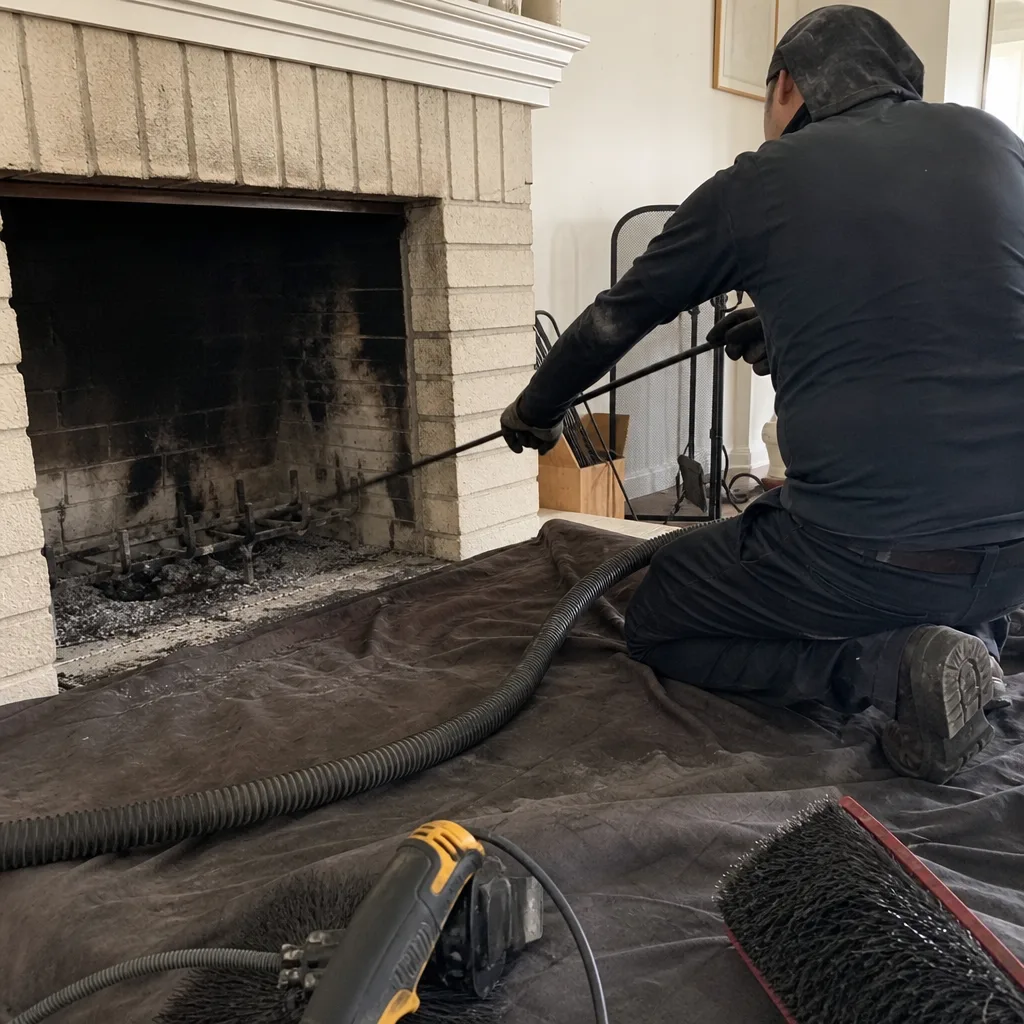 Before
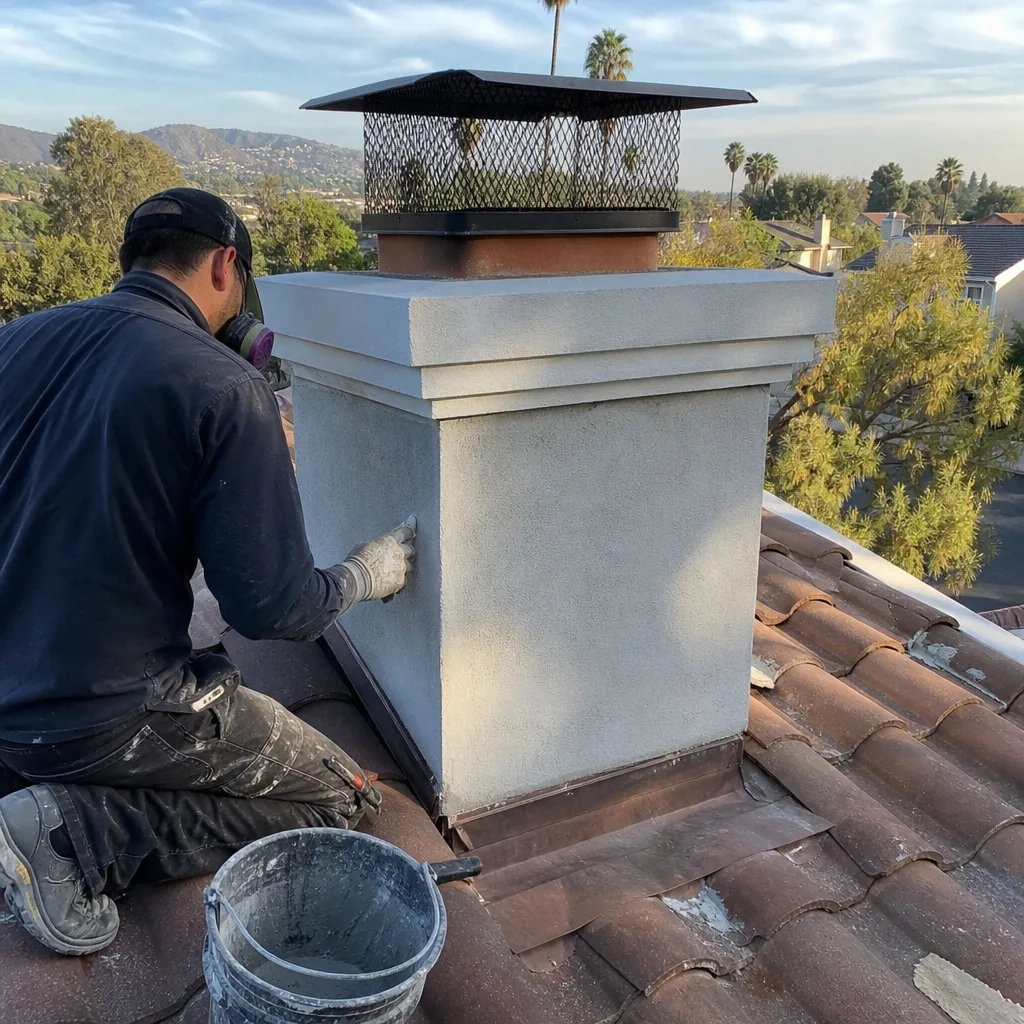 After
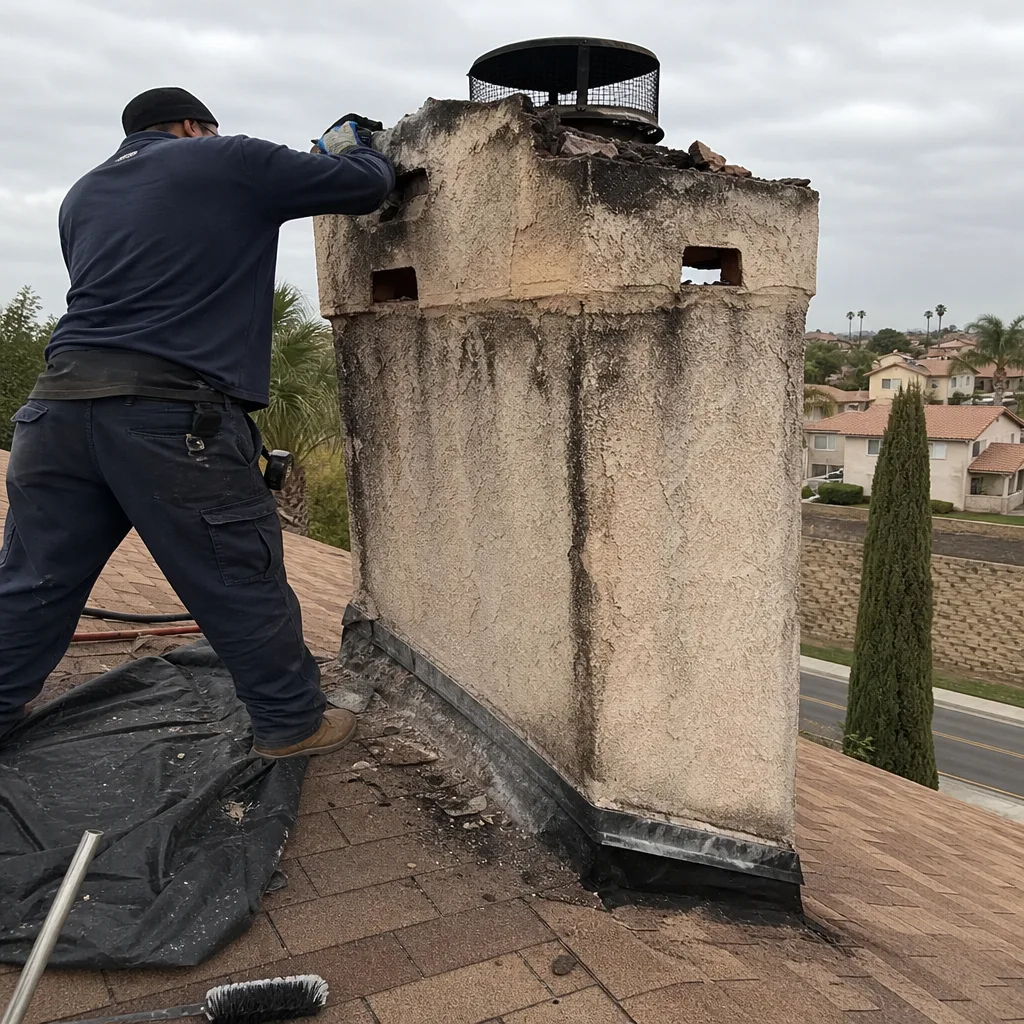 Before
 After
 Before
 After