
Last updated November 2, 2026
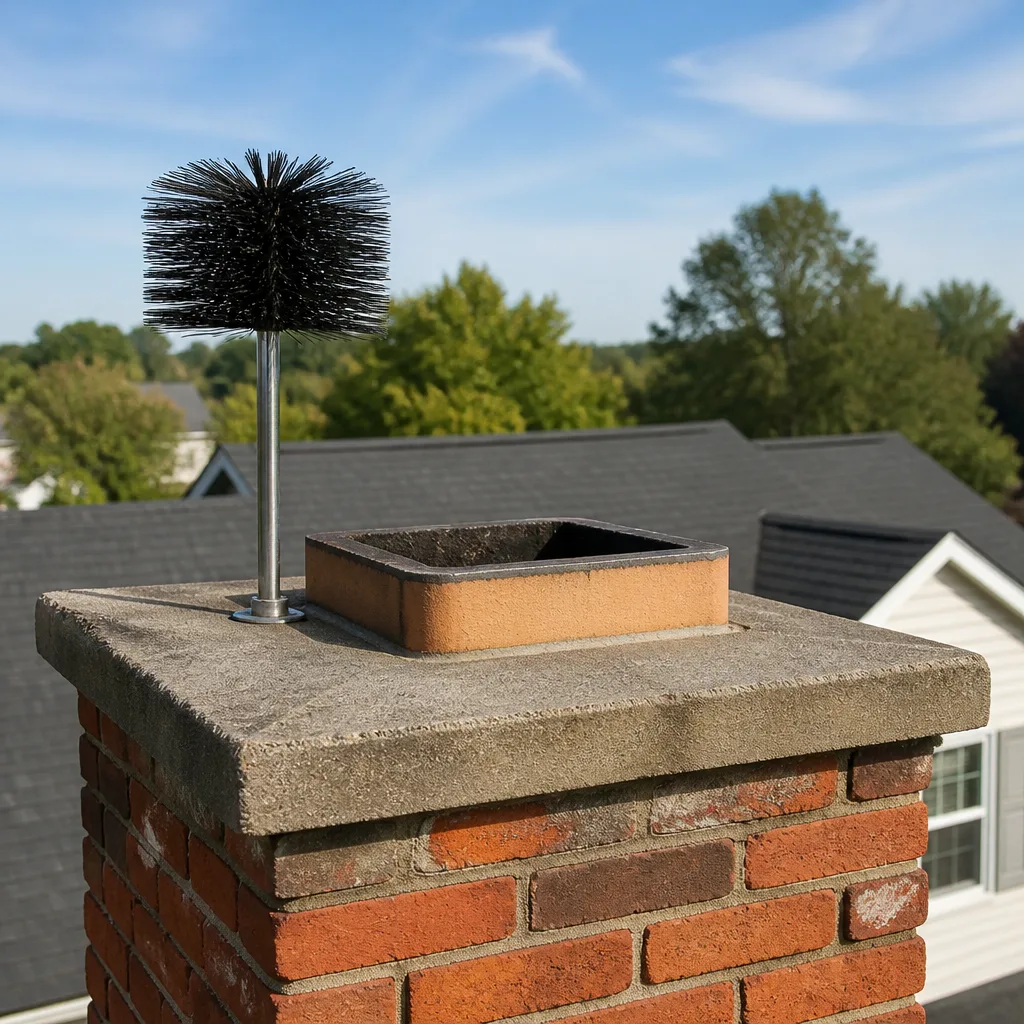 Sweep & inspection
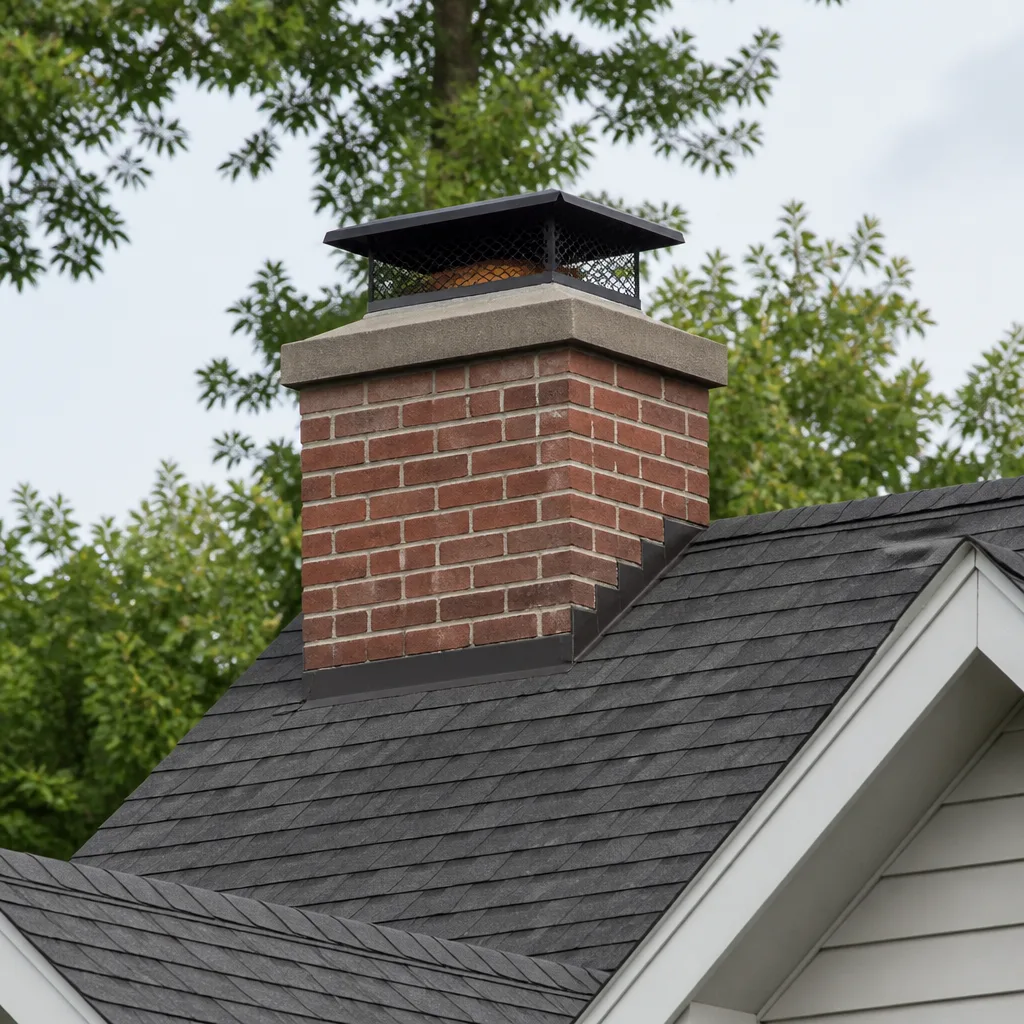 Caps & crowns
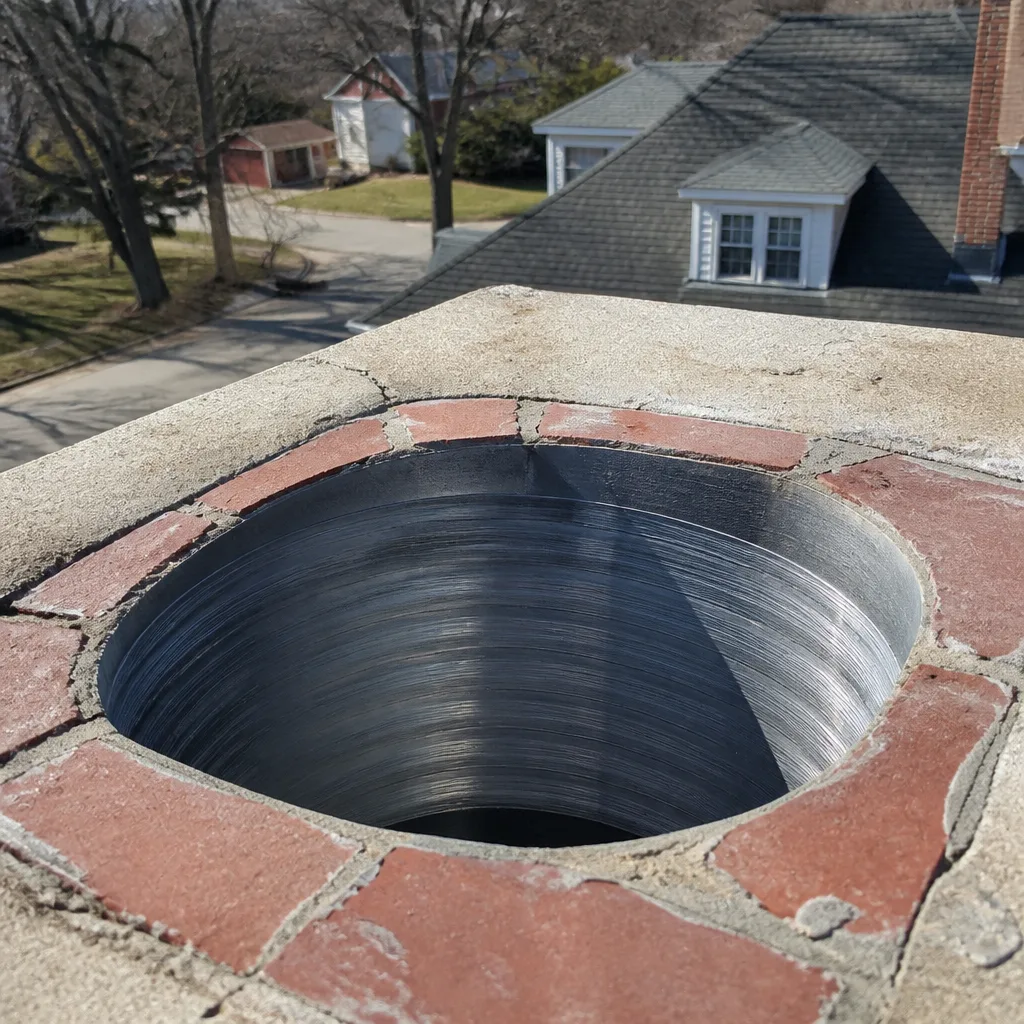 Flue relining
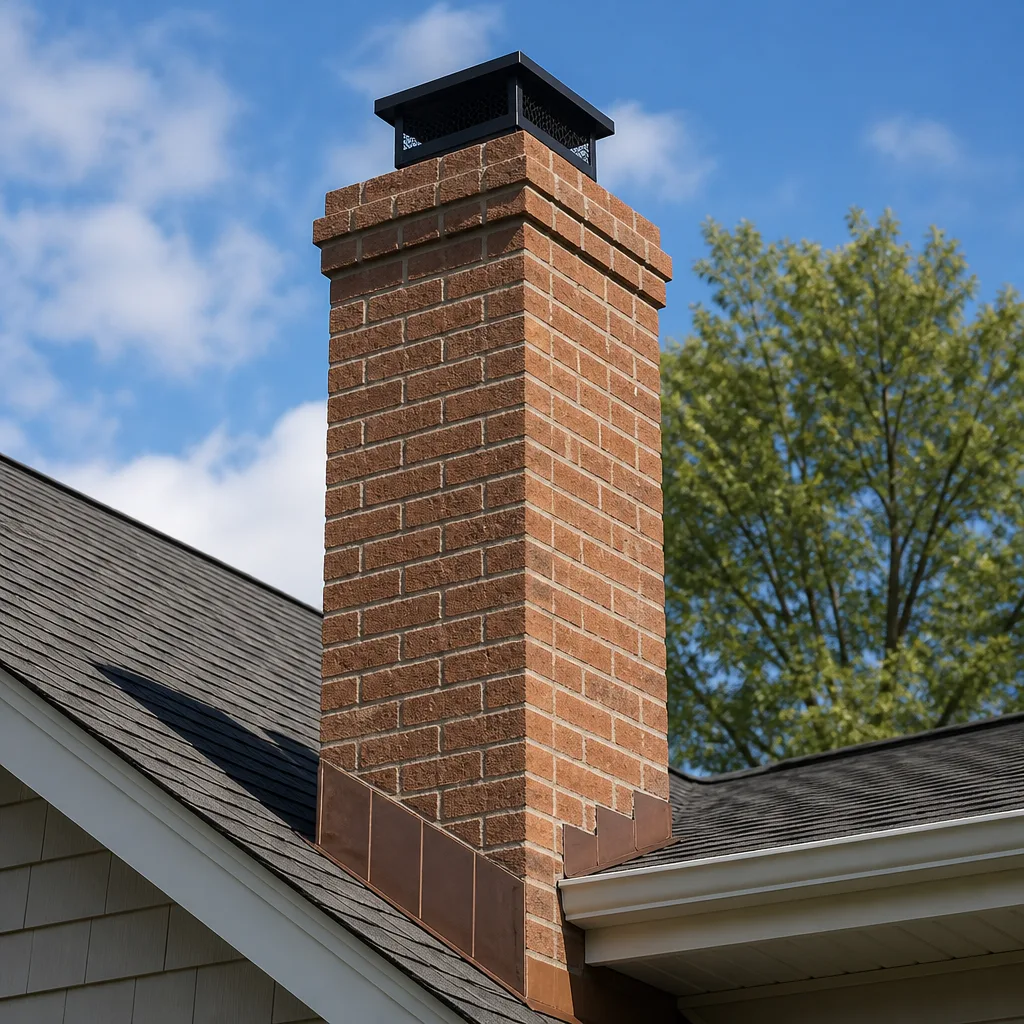 Masonry repair
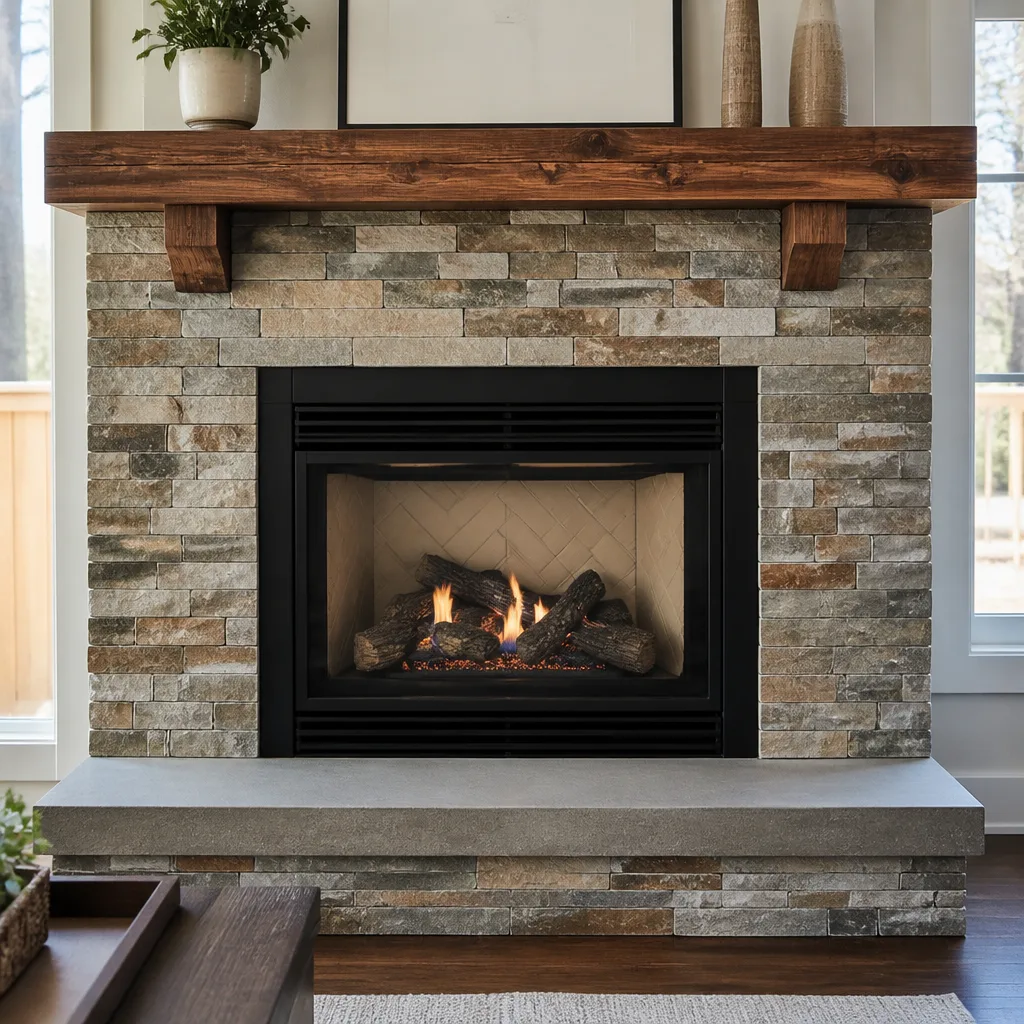 Gas fireplace service
Level 1 sweep and inspection to the NFPA 211 annual standard - flue, crown, cap, and flashing checked and photographed
Chimney sweep logs do not sweep chimneys. They loosen some creosote - which then falls where a brush and vacuum still have to collect it.
Chimney Cleaning Emergency Preparedness Guide for Chino Hills Homes
During a chimney fire, most homeowners call 911 first. That’s the right instinct. But the three minutes before the fire department arrives are the most critical, and most people have no idea what to do or not do during that window. Chino Hills sits in one of Southern California’s higher wildfire risk zones, which means chimney emergency preparedness isn’t just about a chimney fire inside the flue. It’s about how your chimney system interacts with the broader fire risk environment outside your home, and most emergency guides completely miss this dimension. This guide covers what a chimney fire actually sounds and feels like, the correct immediate response protocol, wildfire ember intrusion risks specific to Chino Hills, post-fire documentation requirements, and a pre-season preparedness checklist oriented around real fire risk.
Quick Answer
Chimney emergency preparedness for Chino Hills homes means knowing how to recognize an active chimney fire, respond correctly in the first minutes, and prevent the conditions that cause fires before they start. The correct immediate response to a suspected chimney fire is to close the damper and fireplace doors if you can do so safely, evacuate everyone from the home, and call 911 from outside. Annual chimney sweeping plus a properly installed spark arrestor and cap screen are the two highest-impact preventive measures a homeowner can take. See our Chimney Sweep Maintenance Checklist for Chino Hills Homeowners for a full breakdown.
Styles & brands we work with
- Sweep & inspection
- Caps & crowns
- Flue relining
- Masonry repair
- Gas fireplace service
Table of Contents
- How to Recognize a Chimney Fire: What It Sounds and Feels Like
- The Correct Immediate Response Protocol: Step by Step
- Wildfire Ember Intrusion: Why Chino Hills Chimneys Are Different
- Post-Chimney-Fire Documentation: What Inspectors Look For
- Pre-Season Preparedness Checklist for Fire Risk
- Why Annual Sweeping Is the Foundation of Chimney Fire Prevention
- Common Mistakes to Avoid
- Frequently Asked Questions
How to Recognize a Chimney Fire: What It Sounds and Feels Like
Most people expect a chimney fire to be obvious. Flames shooting out the top of the chimney, smoke pouring into the room. In reality, the early stages of a chimney fire are subtle enough that homeowners regularly describe them as a problem with the furnace or a strange wind noise. A chimney fire is combustion happening inside the flue, where creosote deposits have ignited rather than simply burning off slowly. That combustion makes a specific sound: a low roaring or rumbling that builds, often compared to a freight train or a jet engine at a distance. In our experience sweeping chimneys across Chino Hills, where many homes in neighborhoods like Butterfield Ranch and Vila Borba were built in the 1990s and have seen two decades of seasonal use, the sound profile is remarkably consistent once you know what to listen for.
The sound alone isn’t always enough for a homeowner to identify the problem. A chimney fire also produces intense heat that radiates through the fireplace surround, the wall adjacent to the chimney chase, and sometimes through the hearth pad itself. Homeowners report the fireplace glass getting hot enough to crack, paint bubbling on the wall above the mantel, and a distinct hot, acrid smell that’s different from normal wood smoke. Cracking and popping sounds sometimes accompany the roar, which is the sound of flue tiles fracturing under thermal stress. If you hear a roaring sound from your chimney that doesn’t match the rhythm of normal fire combustion, and the heat around the fireplace feels wrong, assume it’s a chimney fire and act accordingly. Our Chimney Cleaning Warning Signs: A Chino Hills Homeowner’s Reference Guide covers additional warning indicators to watch for. Don’t wait to see flames.
One distinction worth making: a slow-burning chimney fire can persist for hours at lower intensity, and it doesn’t announce itself the way a fast-burning one does. The National Fire Protection Association classifies chimney fires into free-burning and slow-burning categories. Free-burning fires are loud, fast, and obvious. Slow-burning fires can cause just as much structural damage to the flue liner while producing only moderate sound and heat. This is why the annual Chimney Sweep in Chino Hills inspection includes a camera evaluation of the flue interior to catch the hairline cracks and compromised mortar joints that a slow-burning fire leaves behind.
The Correct Immediate Response Protocol: Step by Step
Here’s the sequence to follow if you suspect a chimney fire. Read it now, not during the event, because the first minutes matter and panic makes the details disappear.
- Close the damper if you can reach it safely. Cutting off the air supply to the firebox slows the combustion rate inside the flue. The key phrase is “safely.” If the fireplace surround is too hot to approach, skip this step and move to the next one. Your hand reaching toward a superheated damper handle is not worth the risk.
- Close the fireplace doors or glass front. This further restricts airflow and contains embers that might otherwise pop out into the living space.
- Do not use water. Water in a masonry chimney can crack the flue tiles because of thermal shock, and in a prefabricated chimney system it can cause severe structural damage. It will not effectively extinguish a flue fire.
- Do not open doors or windows near the fireplace. A sudden inrush of oxygen can intensify the fire and change the draft direction, pulling smoke and flame into the room.
- Evacuate everyone from the home. Get out, close the door behind you, and move away from the house.
- Call 911 from outside. Tell the dispatcher you suspect a chimney fire. Firefighters in Chino Hills respond to chimney fire calls regularly and know what to look for inside the flue after the visible fire is out.
One more thing that surprises people: after the fire department leaves, the chimney is not safe to use. The structural condition of the flue liner is unknown, and you’ll need a documented inspection before the fireplace is legal to operate again. We’ll address that in the post-fire section below.
Wildfire Ember Intrusion: Why Chino Hills Chimneys Are Different
Chino Hills is a city defined by its wildland interface. The Chino Hills State Park sits directly adjacent to residential areas, and neighborhoods on the eastern and northern edges of the city border open chaparral that burns hot and fast. This changes the chimney emergency conversation significantly. A chimney fire starts inside your home. A wildfire threatens your home from outside. Your chimney is one of the few structural elements that connects the two.
During a wind-driven wildfire event, firebrands and embers travel well ahead of the main flame front. An ember only needs to find its way past your chimney cap and down into the flue to ignite creosote deposits or debris inside a system that hasn’t been swept recently. The National Fire Protection Association’s wildfire research consistently identifies ember intrusion as a leading cause of structure ignition during wildland fire events, and chimneys are one of the documented entry pathways. A missing or damaged spark arrestor screen makes this far more likely. Homes in Chino Hills with older chimney caps, or caps with screen mesh that has rusted through, are at measurably higher risk during Santa Ana wind conditions.
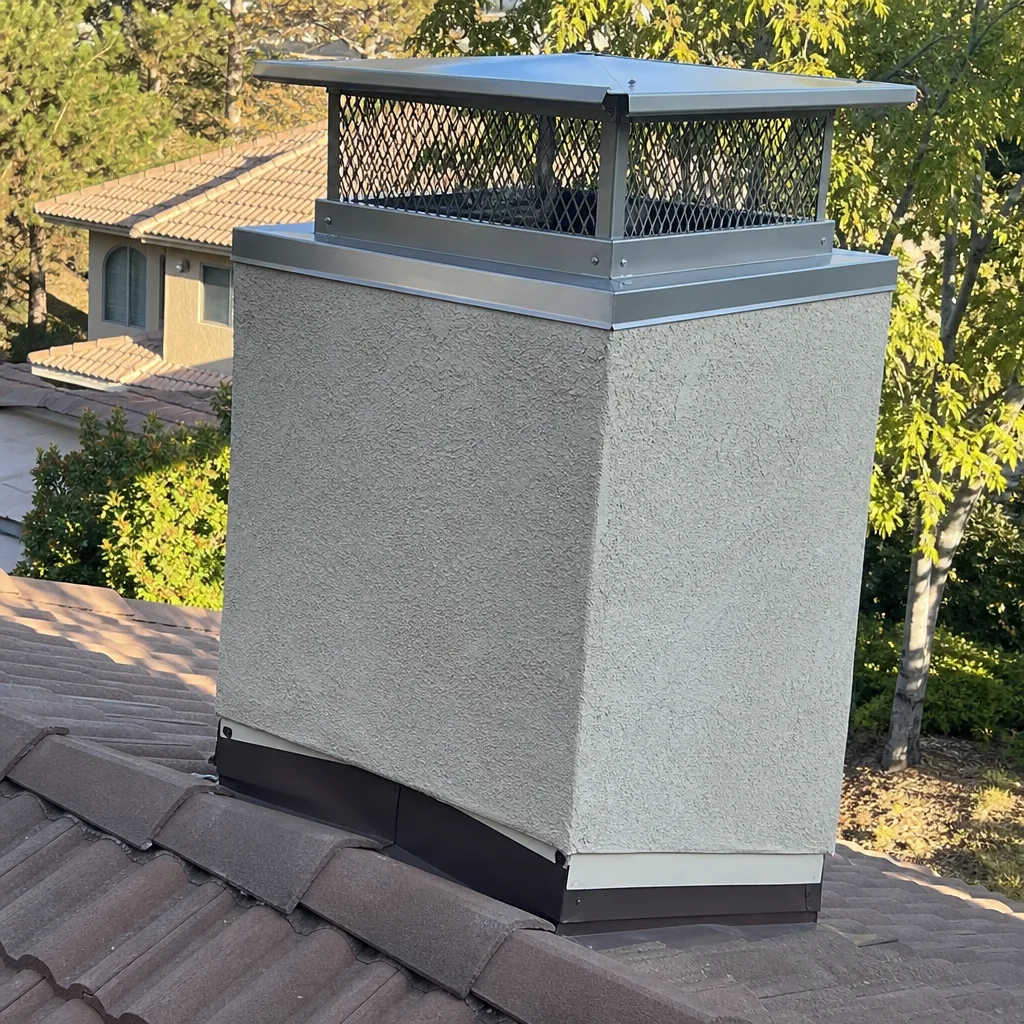
The prevention equation is straightforward from a chimney perspective. You need a functioning chimney cap with an intact spark arrestor screen. The screen’s mesh size matters too: NFPA 211 specifies the screen openings must not exceed 5/8 inch and must not be smaller than 3/8 inch, because screens that are too fine clog with creosote and become a draft problem. We install professional-grade caps from Gelco and Olympia Chimney because these manufacturers build caps that hold up to heat cycling and wind exposure, which matters more in Chino Hills than in coastal Southern California cities with milder weather patterns. The screen is a physical barrier, not a decorative feature. If yours is missing or damaged, the chimney is an open ember intake during wildfire season.
Post-Chimney-Fire Documentation: What Inspectors Look For
After any chimney fire, fast-burning or slow-burning, the system needs a documented inspection before it can be used again. The industry standard after a chimney fire is a Level 3 inspection, which is the most comprehensive type defined by NFPA 211. For details on local requirements, see Chimney Cleaning Permits, Codes & Inspections in CA: What You Need to Know. Level 3 inspections are rarely needed for routine maintenance checks. They become necessary specifically after a documented chimney fire or a seismic event, because both can cause hidden structural failure inside concealed portions of the chimney system.
A Level 3 inspection involves accessing and examining the entire chimney structure, including areas concealed within walls, attics, and chase enclosures. This may require opening access panels or removing small sections of wall or chase covering. Inspectors look for: cracked or collapsed flue tiles, separated mortar joints, damaged masonry that extends beyond cosmetic surface cracks, warped or buckled metal liners in prefabricated systems, and damage to the chimney structure itself that compromises clearance to combustibles. The clearance issue is significant in Chino Hills, where many chimneys run through enclosed chases inside the building envelope rather than up exterior walls.
Documentation matters for insurance purposes and for the legal safety of future occupants. If you sell the home, a chimney that was damaged by fire and never inspected creates a disclosure problem. Real estate agents working in Chino Hills increasingly request camera-documented chimney inspections as part of the transaction process, because the alternative is liability exposure and a deal that can fall apart in escrow. For repair work following a chimney fire, systems like HeatShield cerfractory flue sealant offer a repair path that doesn’t require full demolition, and DuraFlex flexible liner systems handle full relining when the existing flue is beyond saving. We show you the camera footage before recommending a repair scope, so you’re never making a decision on trust alone.
Pre-Season Preparedness Checklist for Fire Risk
Here’s the pre-season checklist we walk Chino Hills homeowners through each fall, oriented specifically around fire risk rather than general maintenance. This is the sequence to work through before the first cold snap and before Santa Ana wind season peaks.
- Cap screen condition: Inspect the chimney cap and spark arrestor screen from the ground with binoculars. Look for rust-through holes, missing sections, or a cap that’s shifted out of position. If you can see daylight through the screen where there shouldn’t be light, that’s a call-worthy problem.
- Spark arrestor integrity: The screen mesh should sit firmly in place with no gaps around the cap’s edges. Wind-driven embers find the smallest openings. In Chino Hills, where October through December brings the strongest wind events, a small gap is a real vulnerability.
- Exterior chimney base clearances: Walk the outside of the house and check that no vegetation, firewood stacks, or stored materials are within five feet of the chimney base or any exterior chimney surface. Dry brush and stacked lumber adjacent to a masonry chimney become kindling during an ember shower.
- Damper function test: Open and close the damper completely. A damper that sticks, won’t seal fully, or has rusted hardware is a draft and fire control problem.
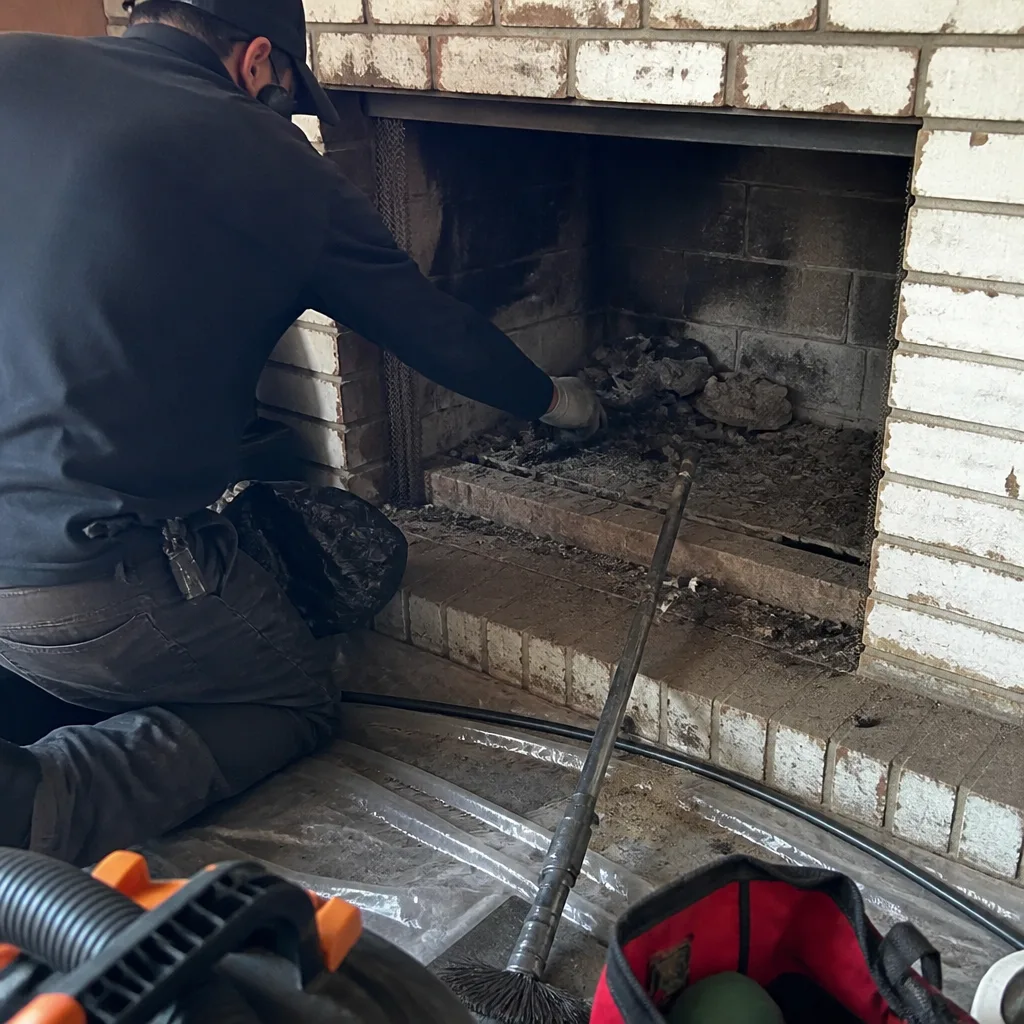
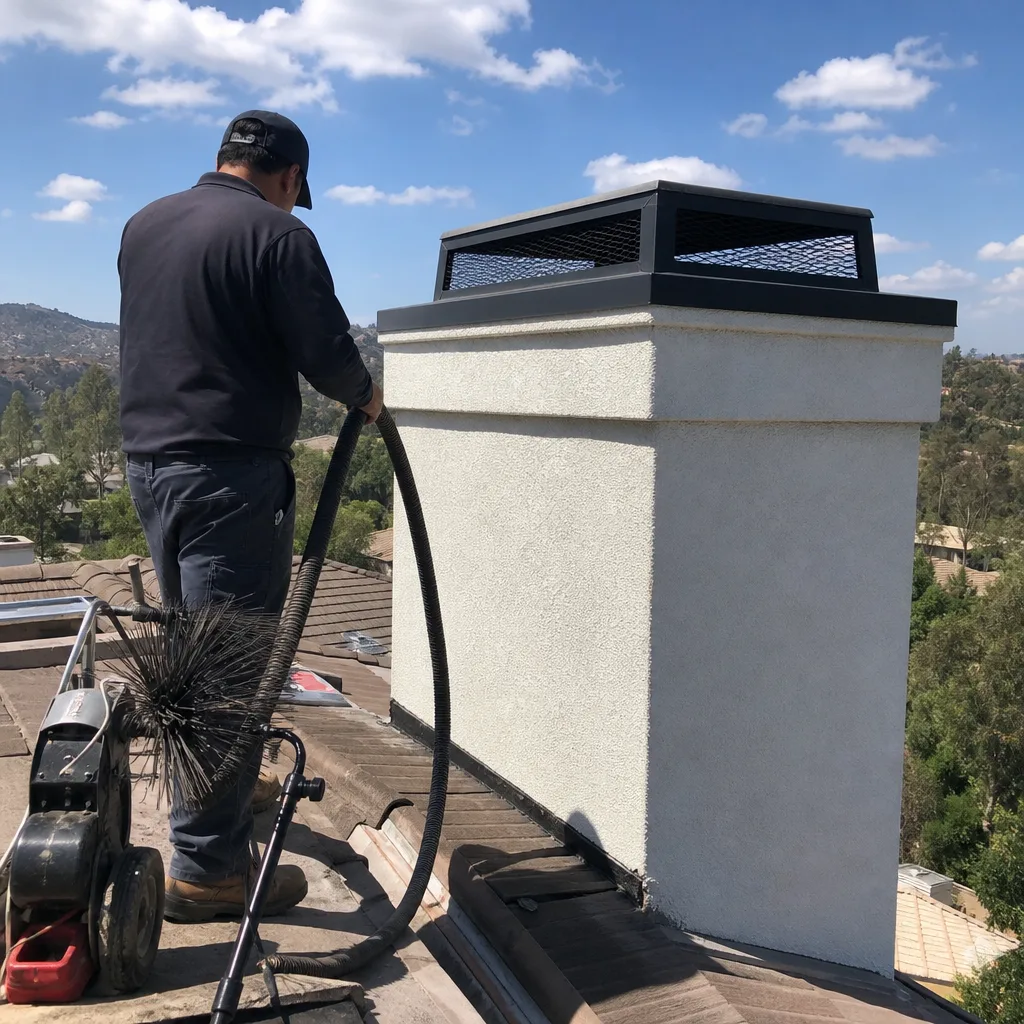
- Flue condition awareness: If it’s been more than a year since the last sweep, schedule one before burning season. Creosote accumulation is the fuel load for a chimney fire. The annual sweep is the single most effective fire prevention action available.
- Visual firebox check: Look for cracks in the firebrick, deteriorating mortar joints, or a fireplace floor that’s spalling or coming apart. These indicate heat exposure problems that will worsen with use.
The checklist takes about 20 minutes from the ground and requires no tools beyond a pair of binoculars. The annual Chimney Sweep Chino Hills home service visit covers the interior flue inspection that you can’t see from outside, and we provide a camera-documented report so you have a baseline for the season.
Why Annual Sweeping Is the Foundation of Chimney Fire Prevention
Creosote is the fuel that enables chimney fires, and creosote is the direct byproduct of wood combustion that condenses on the flue wall as smoke cools. Chimneys in Chino Hills see meaningful creosote accumulation because winter temperatures here vary enough that flue gases cool faster than they do in warmer coastal microclimates. The mechanics are straightforward: the hotter and faster smoke exits, the less creosote deposits. The slower and cooler the smoke moves, the more deposits form. Add the fact that many Chino Hills homes use fireplaces intermittently, not daily, and you get incomplete burns and cooler flue temperatures that accelerate creosote problems.
There are three stages of creosote, and understanding them matters for emergency preparedness. Stage 1 is flaky, dusty, and relatively removable with standard brushing. Stage 2 is crusty, flaky deposits that require more aggressive mechanical removal. Stage 3 is the problem: a thick, tar-like glaze that’s both highly flammable and extremely difficult to remove with conventional sweeping methods. Stage 3 creosote is the fuel load for catastrophic chimney fires. When we encounter Stage 3 in a Chino Hills home, we discuss options including chemical treatment or a HeatShield liner application if the underlying flue has already been compromised by heat or chemical damage.
Sweeping frequency isn’t a one-size-fits-all answer. The National Fire Protection Association standard is annual inspection, with sweeping performed when creosote buildup exceeds 1/8 inch. Burn habits change that math: homes that burn green or unseasoned wood, burn daily through winter, or use the fireplace for primary heat may need sweeping twice per season. A Chimney Sweep in Chino Hills will give you an honest season-by-season recommendation based on what we find in your specific flue, not a calendar schedule.
Common Mistakes to Avoid
- Waiting to see flames before responding. A chimney fire in its early stages may produce only sound and heat. The moment you suspect it, start the response protocol. The chimney fire that announces itself with visible flames has already had time to damage the flue liner.
- Throwing water into the firebox during an active chimney fire. This is the instinctive response for many people and it’s one of the most dangerous. Water causes thermal shock that can crack flue tiles and turn a contained flue fire into a structural failure behind walls.
- Opening the fireplace doors to “check” during a suspected fire. The sudden oxygen influx can cause a rapid intensification of the fire, and opening the glass front exposes the room to embers and superheated gases.
- Assuming the fire department’s arrival means the chimney is safe to use. The fire department’s job is to stop the active fire. Determining whether the flue liner survived is a separate inspection process that happens afterward.
- Neglecting the spark arrestor screen because it seems like a minor component. In wildfire-prone Chino Hills, the chimney cap screen is a primary line of defense against ember intrusion. A missing screen turns your chimney into a wind tunnel that funnels firebrands directly into the flue.
- Burning unseasoned wood to save money. Green wood burns cooler and produces more creosote per cord than seasoned wood. The money saved on fuel gets spent on more frequent sweeps, or worse, becomes the fuel load for a chimney fire. In our experience in Chino Hills, homeowners who burn properly seasoned oak and madrone see dramatically lower creosote accumulation than those who burn whatever’s been delivered.
See the difference
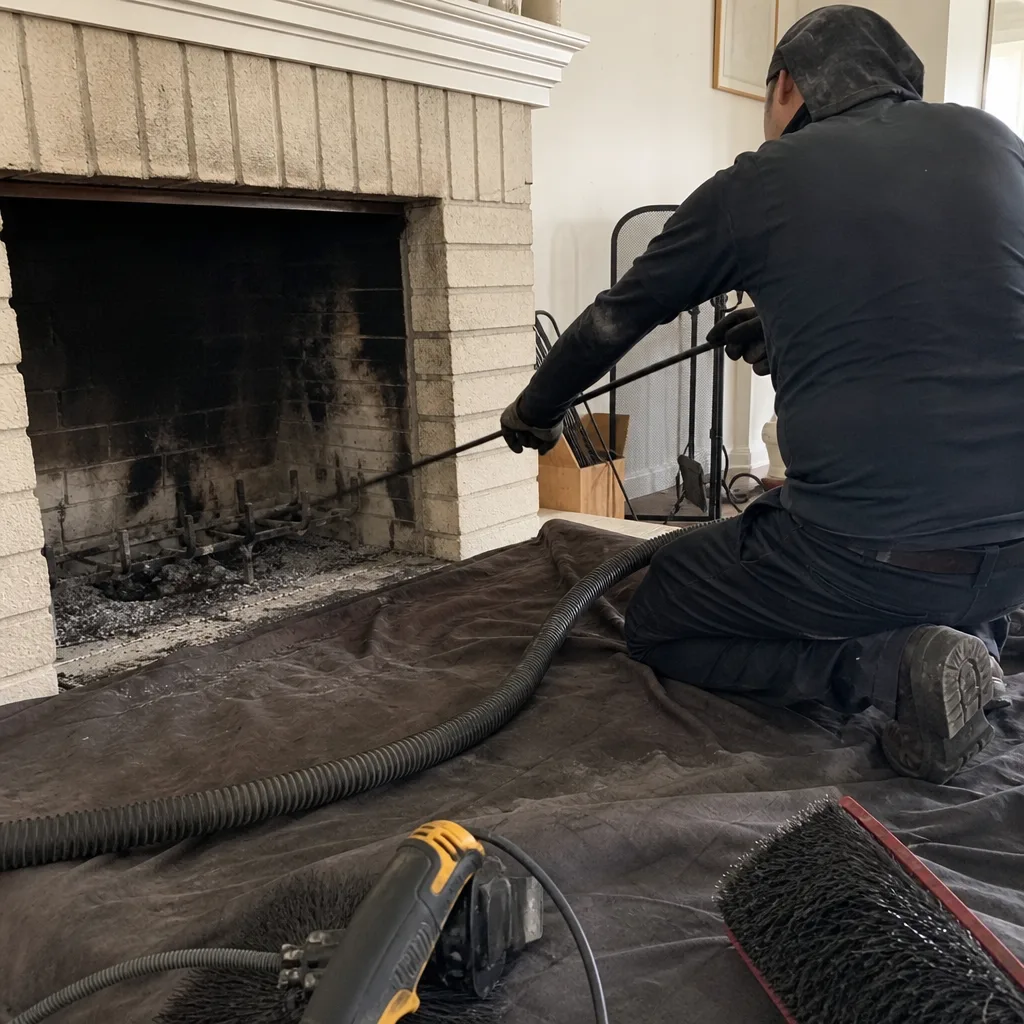 Before
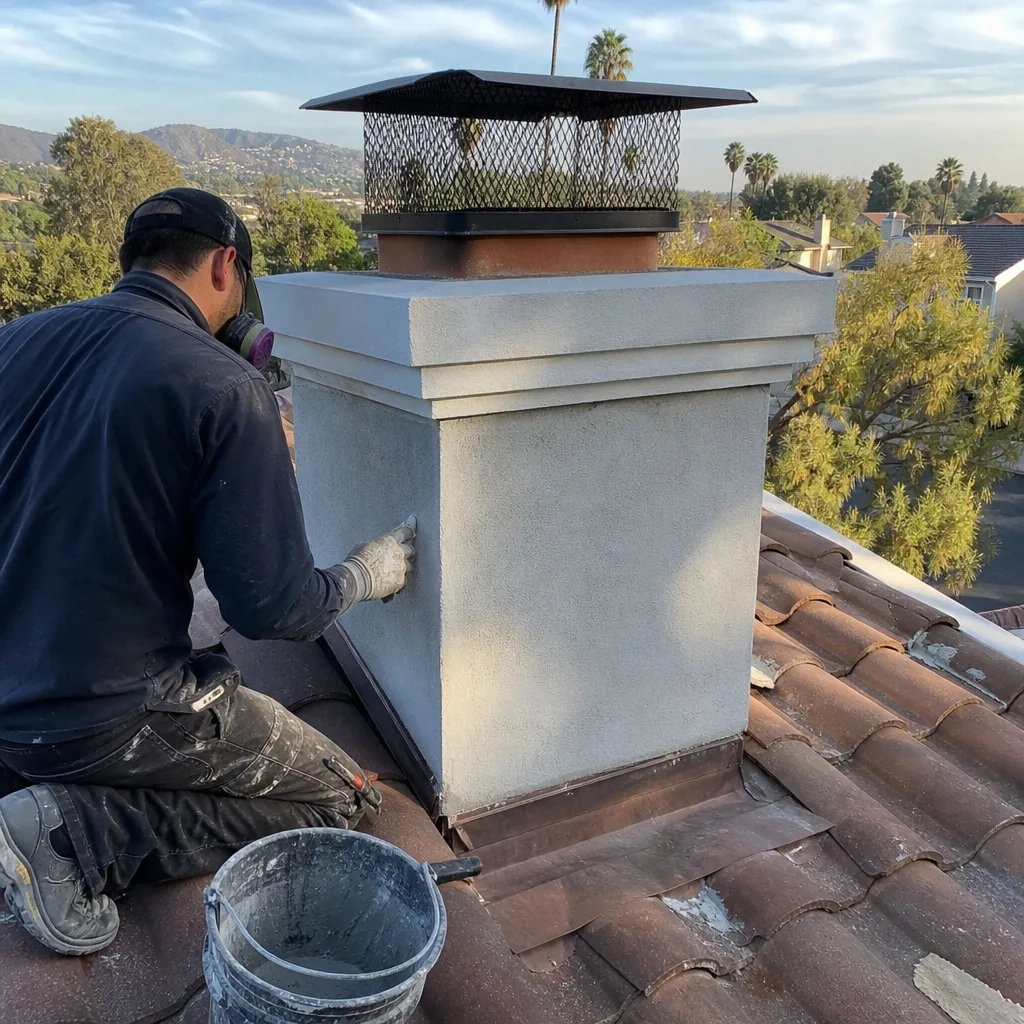 After
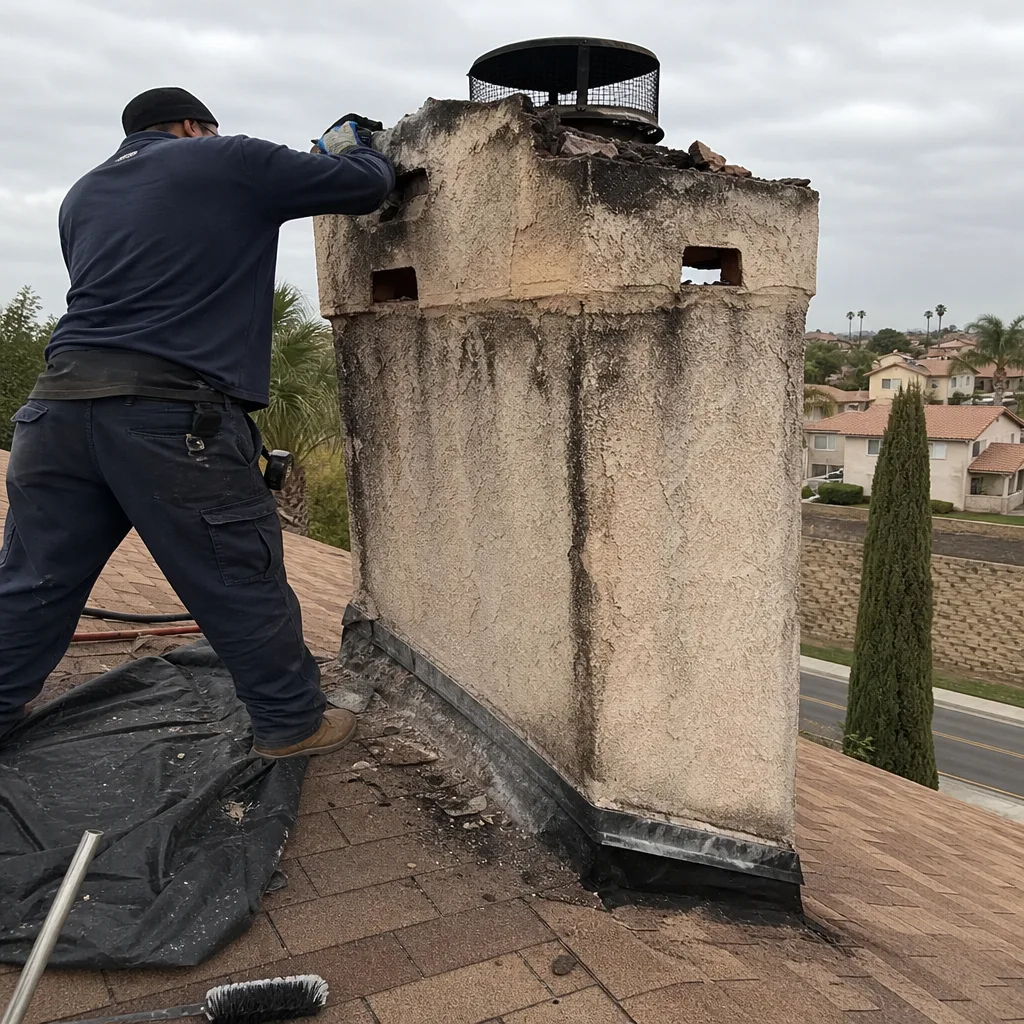 Before
 After
 Before
 After
When to Call a Professional
Call a chimney professional any time you’ve experienced a chimney fire, even a small one, because the flue liner needs a documented post-fire inspection before the system goes back into use. Call when you see visible creosote buildup, glossy tar-like deposits inside the flue, or smoke entering the room during normal operation. Call when your chimney cap is missing, the spark arrestor screen is compromised, or you’re preparing a home for sale and need camera documentation of the flue condition. Call if the fireplace hasn’t been swept in two or more seasons and you’re about to start burning again. Chimney Sweep Chino Hills offers free estimates in Chino Hills, works with DuraFlex and HeatShield liner systems for post-fire repair, and we show you the camera footage before recommending any repair. Call (877) 358-0941 to schedule.
Frequently Asked Questions
Once per year for most homes, with a minimum monthly visual inspection during burning season. Homes that burn unseasoned wood, use the fireplace as primary heat, or see Stage 2 creosote accumulation at the annual sweep may need sweeping twice per season. The annual visit also includes a camera inspection that catches liner damage and structural problems before they become emergencies.
A chimney fire typically sounds like a low, persistent roaring or rumbling that doesn’t match the normal rhythm of fire combustion, often compared to a freight train or jet engine passing at a distance. It’s accompanied by intense heat around the fireplace surround, sometimes cracking or popping sounds from flue tiles fracturing, and occasionally visible flames at the chimney top.
Yes, a properly installed chimney cap with an intact spark arrestor screen meeting NFPA 211 mesh size requirements is a proven defense against ember intrusion. Embers are the leading cause of structure ignition during wildland fire events, and an unscreened or damaged chimney is a direct pathway into the home’s interior. The cap and screen must be periodically inspected because rust and heat cycling eventually compromise the mesh.
Yes. NFPA 211 requires a Level 3 inspection after a documented chimney fire because the event can cause hidden structural failure inside concealed portions of the chimney system. Level 3 inspections access concealed areas of the chimney and flue that routine inspections don’t reach. Skipping this step risks using a structurally compromised chimney and creates disclosure problems if you sell the home.
A chimney sweep removes creosote and soot deposits from the flue. An inspection is an evaluation of the system’s structural condition and fire safety, usually camera-documented. Chimney repair addresses structural problems found during inspection, including liner cracks, damaged caps, and deteriorated masonry. For a Chimney Repair in Chino Hills, we use professional-grade liner systems from DuraFlex and HeatShield so repairs outlast the original installation.
Dryer vents and chimneys share a common failure mode: accumulated flammable material inside an exhaust pathway that becomes a fire hazard. Dryer lint fires are among the most common and most preventable residential fire causes, and the vent system deserves the same annual attention as the chimney. Our Dryer Vent Cleaning in Chino Hills service addresses both fire prevention needs in a single visit, because a home that’s prepared for fire season is prepared across all of its exhaust systems.
The Bottom Line
Chimney emergency preparedness in Chino Hills means understanding that your chimney system is both an internal fire risk and an external wildfire vulnerability. The annual sweep removes the fuel that makes chimney fires possible. The cap and spark arrestor screen block the embers that make wildland fire events dangerous to your home. The response protocol, the post-fire inspection requirement, and the pre-season checklist all trace back to one principle: chimney fires are preventable with maintenance, and survivable with knowledge. If you haven’t had your system inspected this season, or if you’ve had a chimney fire and haven’t gotten the follow-up inspection, schedule the visit now. For more guides & resources on chimney safety and maintenance, visit our blog. The call is free and the information is yours regardless of what you decide to do with it.
Written by the team at Chimney Sweep Chino Hills, serving Chino Hills since 2017.