
Last updated November 2, 2026
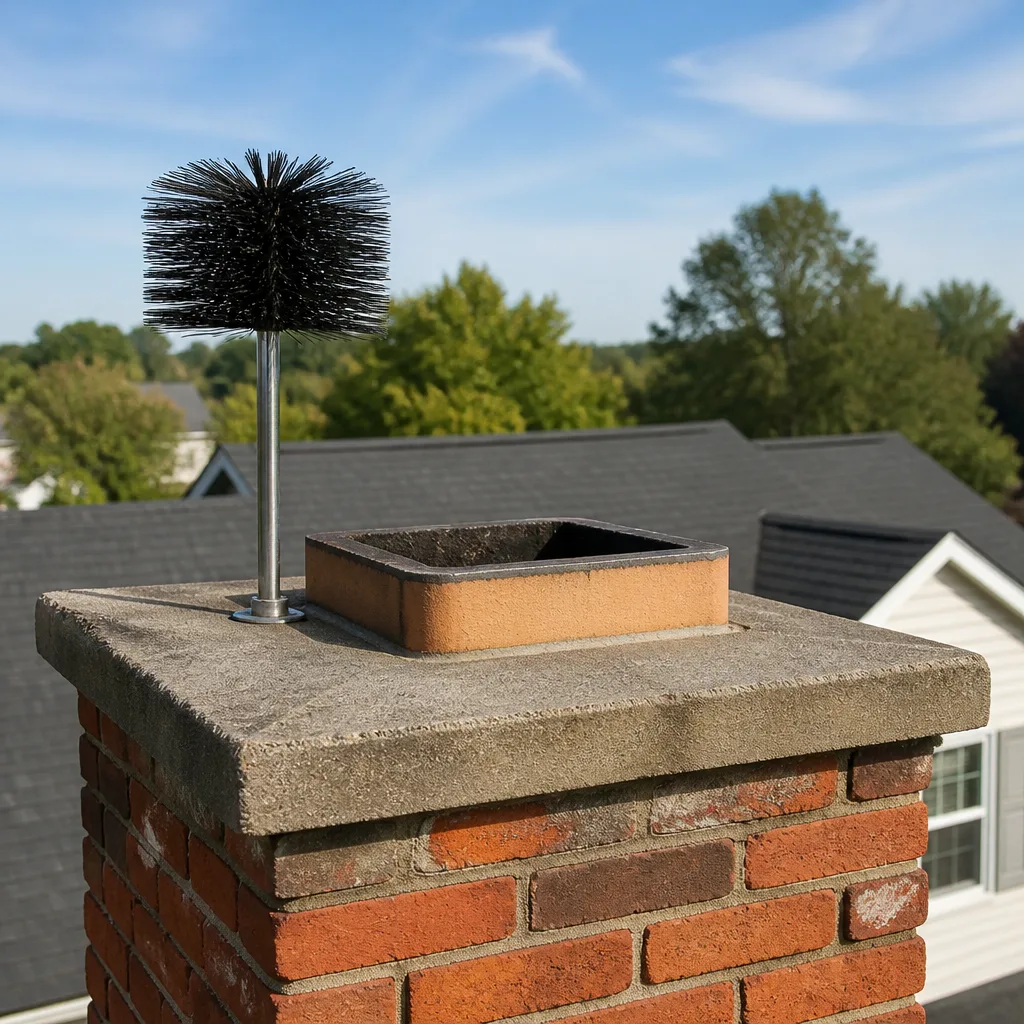 Sweep & inspection
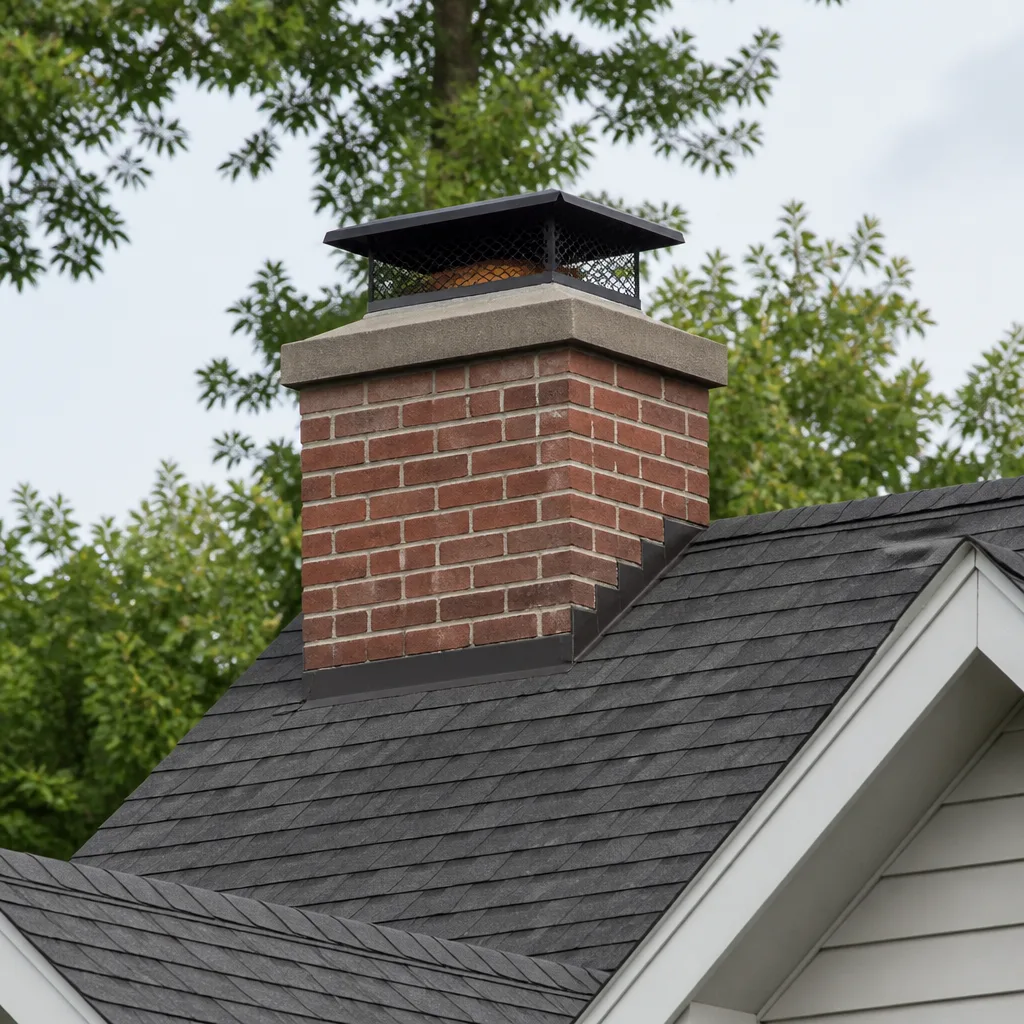 Caps & crowns
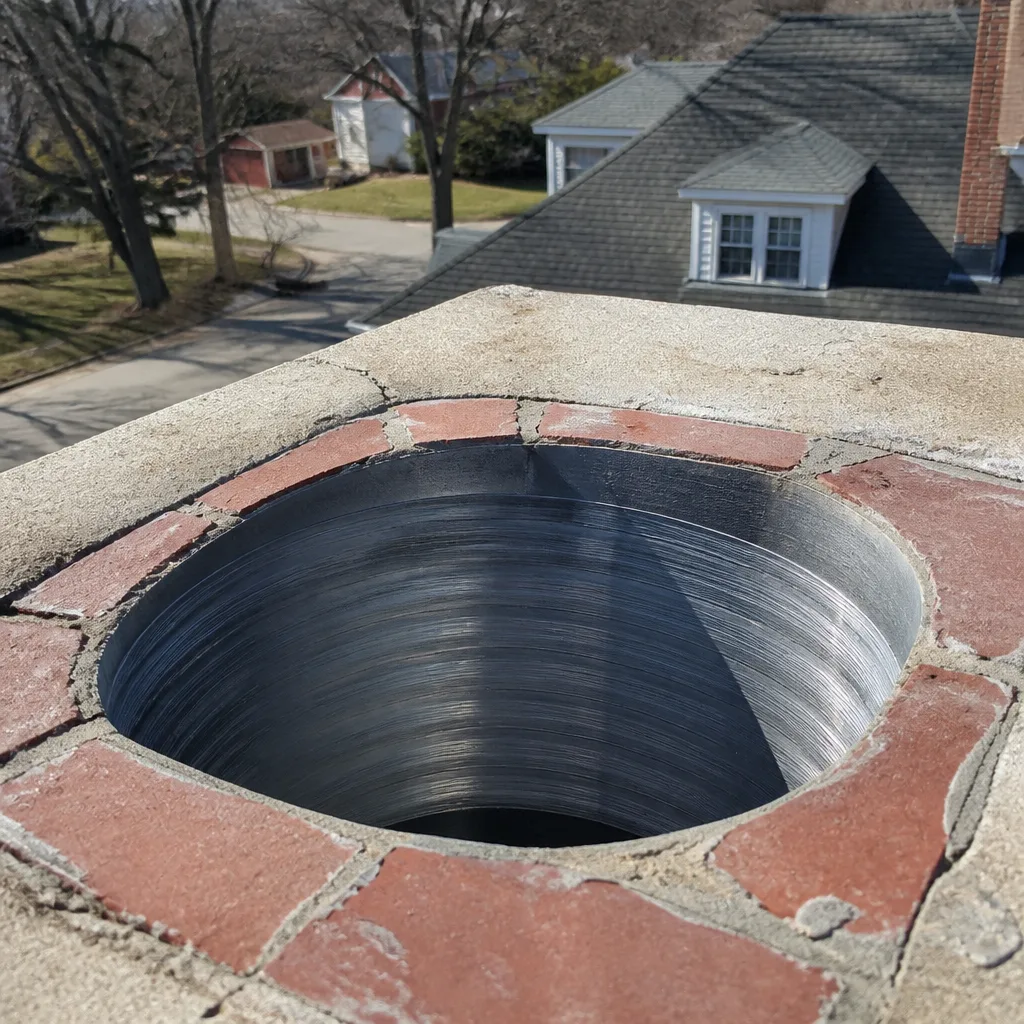 Flue relining
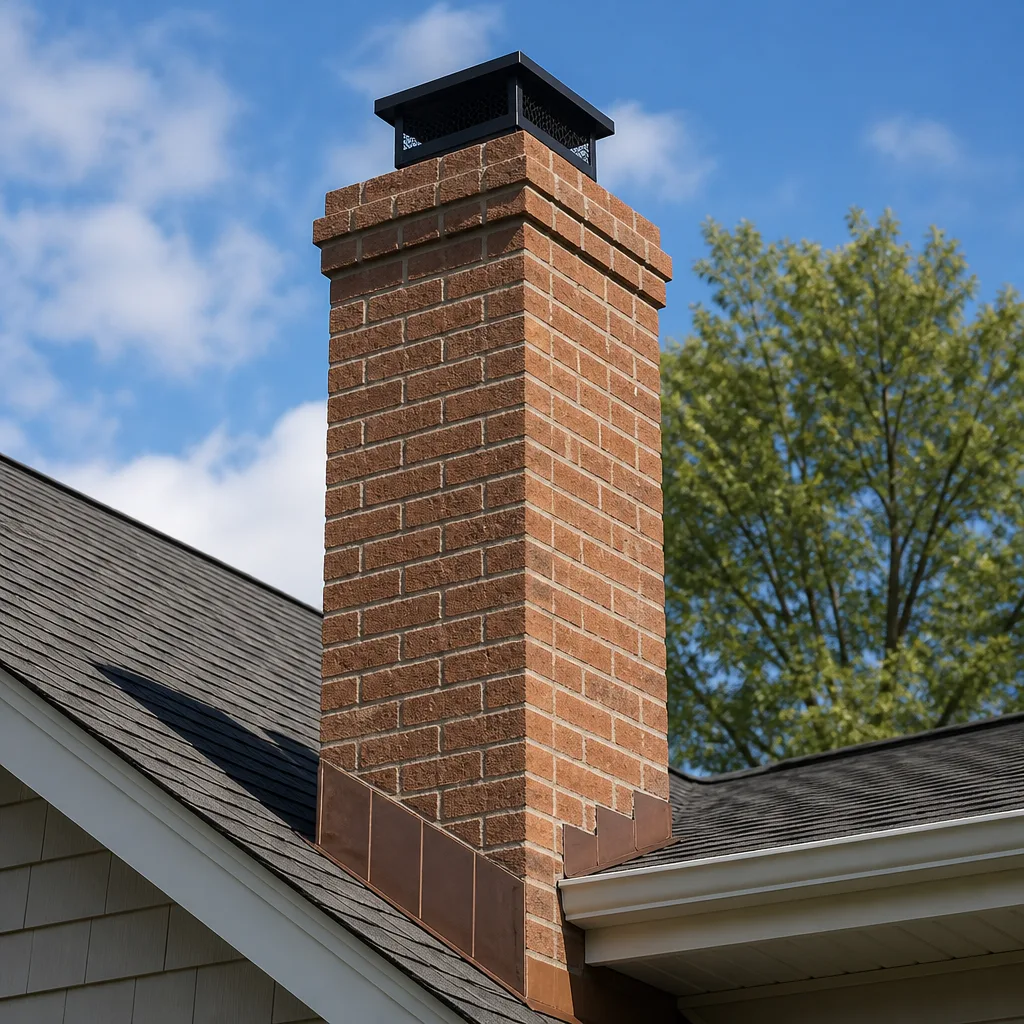 Masonry repair
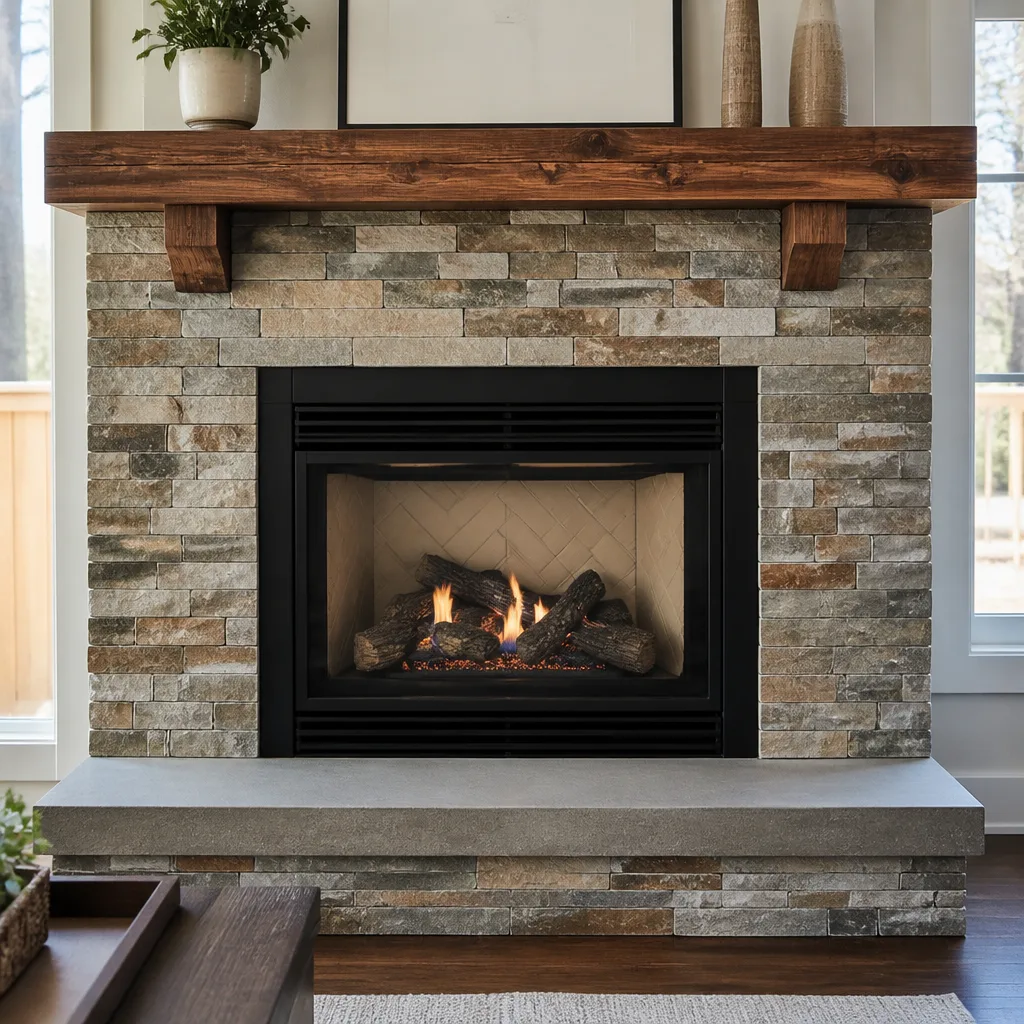 Gas fireplace service
Level 1 sweep and inspection to the NFPA 211 annual standard - flue, crown, cap, and flashing checked and photographed
Chimney sweep logs do not sweep chimneys. They loosen some creosote - which then falls where a brush and vacuum still have to collect it.
Seasonal Chimney Cleaning Care for Chino Hills: Year-Round Homeowner’s Guide
Most of the country treats chimney cleaning as a fall ritual. In Chino Hills, waiting until October means you’re calling every sweep in the Inland Empire at the exact moment thousands of other homeowners suddenly remember their fireplace exists. The result: a two-to-three-week wait, compressed inspection appointments, and repair delays that push into peak burn season. This guide maps chimney care to the actual rhythms of Chino Hills life: Santa Ana wind cycles, SCAQMD burn day patterns, summer heat stress on masonry, and the late-summer scheduling window that gives you leverage most homeowners never use. By the end, you’ll know exactly when to schedule each task, what each season actually does to your chimney, and how to time maintenance so you’re never paying rush fees or burning with a compromised flue.
Quick Answer
Chimney care in Chino Hills follows four distinct risk periods, not four traditional seasons. The best time to schedule a sweep and inspection is late August through September, before Santa Ana winds arrive and before demand spikes ahead of the first permitted burn days. A professional chimney sweep in Chino Hills typically costs $180 to $340, and booking during the low-demand window means better appointment availability, unrushed inspections, and time to complete any repairs before you actually want to light a fire.
Styles & brands we work with
- Sweep & inspection
- Caps & crowns
- Flue relining
- Masonry repair
- Gas fireplace service
Table of Contents
- The Real Chino Hills Chimney Calendar
- Late Summer (August – September): Your Best Scheduling Window
- Santa Ana Wind Season (October – January): Downdrafts, Debris, and Cap Integrity
- Summer Heat and Masonry: Why Cracks Show Up in Fall
- Post-Season (March – May): The Cleanup Most Homeowners Skip
- SCAQMD Burn Days and Your Cleaning Schedule
- Liner Damage: What We See in Chino Hills Homes
- Common Mistakes to Avoid
- When to Call a Professional
- Frequently Asked Questions
The Real Chino Hills Chimney Calendar
Standard chimney advice was written for places with snow, tree-filled autumns, and six months of wood-burning weather. Chino Hills has exactly none of those. What we have instead is a Mediterranean climate with 280-plus sunny days, summer temperatures that routinely cross 95°F, a defined burn season governed by air quality rules, and the most aggressive wind pattern in Southern California: the Santa Anas. Those differences change when chimney maintenance actually makes sense.
In our experience working on chimneys across Chino Hills, the homeowners who understand this local calendar are never the ones scrambling in November. They’re the ones who book in September, get a thorough inspection without time pressure, and light their first fire knowing the flue is clean and the cap is sealed. Here’s what the actual year looks like:
| Period | Chimney Risk | Recommended Action |
|---|---|---|
| January – February | Peak burn season, Santa Ana winds, heavy creosote accumulation | Mid-season visual check; sweep if burning weekly |
| March – May | Post-season moisture intrusion, creosote odor as temps rise | Post-season sweep and inspection; address any winter damage |
| June – July | Thermal expansion of masonry, mortar joint stress | Visual inspection of exterior chimney, cap, and crown |
| August – September | Low demand, pre-season preparation window | Schedule sweep, inspection, and any repairs |
| October – December | Santa Ana winds, high demand, debris intrusion | Cap integrity check before high-wind events; burn-day compliance |
The pattern is simple: prep in late summer, monitor during burn season, remediate in spring. The homeowners who follow this rarely get surprised by a failed inspection or a chimney fire.
Late Summer (August – September): Your Best Scheduling Window
August and September are the lowest-demand months for chimney work in Chino Hills. Homeowners aren’t thinking about fireplaces when it’s 95°F outside, and that’s precisely why you should be. The Chimney Sweep in Chino Hills appointment calendar has real availability, sweeps can take the full time needed for a proper inspection, and if damage is found, there’s still six to eight weeks to schedule repairs before the first burn days typically appear.
Here’s what an unrushed late-summer appointment gets you:
- Complete creosote removal without time pressure. A thorough sweep takes 60 to 90 minutes on a typical Chino Hills single-story or two-story home with a standard masonry chimney. During November crunch, some operators compress this. In September, we don’t.
- A real inspection. Looking at flue liner condition, damper function, firebox brick, crown integrity, and cap fitment takes another 20 to 30 minutes. This is where problems surface, and it’s the part most likely to be shortchanged during peak season.
- Time to act on findings. If the inspection reveals cracked flue tiles or a corroded cap, you have weeks to compare options and schedule repair. Find the same issue in late November and you’re either burning with a known defect or paying for rush work.
- Pre-Santa Ana preparation. By late September, the first high-wind events are often only weeks away. Addressing cap and crown issues before wind season starts means debris doesn’t get blown into a flue that was just cleaned.
The honest truth from our side of the work: in August, a chimney sweep is thinking about your chimney. In November, they’re thinking about the six other appointments after yours. You want the first version.
Santa Ana Wind Season (October – January): Downdrafts, Debris, and Cap Integrity
Santa Ana winds are the defining weather pattern for Chino Hills between October and January. These dry, gusty airflows come down through Cajon Pass and the Santa Ana canyon corridors, routinely hitting 30 to 50 mph with gusts that can exceed 70 in foothill areas near Chino Hills State Park. For chimneys, these winds create three specific problems that generic cleaning advice never mentions.
Downdrafts. Strong winds over a chimney top create a pressure differential that pushes air down the flue. If your damper doesn’t seal tightly or your chimney lacks a properly sized cap, that means smoke blows back into the living space on windy nights. We see this most often in Chino Hills homes built in the 1980s and 1990s, where original dampers have warped from years of heat cycling.
Debris intrusion. Santa Anas strip leaves, palm fronds, and loose roofing material and send it airborne. A well-fitted cap with an intact spark arrestor screen keeps that debris out of the flue. A cap that’s loose, missing sections, or screened with holes larger than 3/4-inch does not. We’ve pulled enough palm detritus out of Chino Hills flues to fill a pickup bed, and every bit of it came through a damaged or undersized cap.
Cap failure acceleration. A cap that’s already loose from thermal expansion or rust is most likely to fail during a wind event. The wind finds the loose fastener and works it. This is why we recommend a cap check in September or early October, before the season’s strongest gusts arrive.
What to do before wind season starts:
- Visually confirm your cap is present, centered, and not visibly loose from the ground using binoculars.
- Check for missing spark arrestor mesh sections; these are the most common failure point on older caps.
- If you notice any shingle material or debris accumulating on the roof near the chimney regularly, get the cap checked.
- Test your damper’s seal by closing it and running a hand near the opening on a windy day. If you feel air movement, the damper isn’t sealing and you’ll get downdrafts.
Ignoring cap issues before Santa Ana season means cleaning becomes futile: you can sweep a flue perfectly in October and fill it with debris again by December. The sequence matters. Cap first, then sweep.
Summer Heat and Masonry: Why Cracks Show Up in Fall
Chino Hills summers push chimney masonry through extreme daily thermal cycles. A south-facing chimney can reach surface temperatures of 140°F or more on a July afternoon, then drop into the low 60s overnight. That’s a 70 to 80 degree swing every 24 hours, repeated for months. Brick, mortar, and concrete all expand and contract at slightly different rates, and over years, those repeated cycles put stress on every joint and seam.
The result is predictable: by October, we find cracks in chimney crowns, hairline separating at the roofline, and mortar joints that have begun to crumble. The damage didn’t happen in October. It happened incrementally all summer, and fall is simply when the effects became visible enough to notice.
Specific things to look for after a Chino Hills summer:
- Crown cracking. The concrete cap at the top of the chimney takes the most direct sun. Cracks wider than 1/8-inch allow water into the chimney structure. August and September are ideal for crown inspection because the dry season means cracks aren’t obscured by moisture.
- Mortar joint deterioration. Running a gloved hand (never bare fingers on an unstable ladder) over exterior mortar will reveal crumbling surfaces. Soft mortar means water can penetrate the chimney’s structure, and once water gets in, the freeze-thaw cycles that do exist in Chino Hills’ occasional cold snaps worsen the damage.
- Flashing separation. The metal at the chimney-roofline junction expands and contracts at a different rate than the masonry. After a decade of Chino Hills summers, the seal often fails. This is one of the most common sources of chimney-related roof leaks in Chino Hills homes.
- Interior flue tile cracking. Thermal stress doesn’t just affect the exterior. Inside the flue, terracotta clay tiles expand and crack under repeated heating-and-cooling cycles. Interior flue damage is invisible from the ground and requires a camera inspection to identify.
If we’re called out for a chimney inspection in September and find crown cracks from summer expansion, the fix is straightforward: clean the surface, apply a proper crown coat or replace damaged sections, and the chimney is sealed before winter moisture arrives. If that same crown is ignored through a wet winter, the cracks widen, water penetrates the masonry, and you’re looking at a much larger repair come spring. The thermal coefficient of brick doesn’t change. The damage does compound.
For homes where summer heat has already caused crown and masonry issues, our Chimney Repair in Chino Hills service handles crown coating, flashing replacement, and masonry repair using materials matched to the existing chimney construction.
Post-Season (March – May): The Cleanup Most Homeowners Skip
Sometime in March, the last permitted burn days pass and the fireplace goes silent. That’s when most Chino Hills homeowners move on to other projects. The chimney sits with a partial season’s worth of creosote and soot inside, all through the rising heat of spring and the full blast of summer. Here’s why that matters:
Creosote becomes more odorous in heat. Creosote is a tar-like byproduct of wood combustion. Cool creosote sits relatively inert. Warm creosote releases a distinct, sharp smell that many Chino Hills homeowners notice on the first 90-degree day of May. Sometimes the smell is a nuisance. Sometimes it means animals have nested in the accumulated deposits during the spring, adding to the biological load inside the flue.
Moisture intrusion is invisible in spring. Winter rains in Chino Hills average around 16 inches per year, and if any of that worked its way into your chimney through a failed cap, deteriorated mortar, or a cracked crown, spring is when that moisture is trapped inside the chimney structure. As temperatures rise, trapped moisture accelerates masonry degradation. Catching this in late spring means a small repair. Letting it bake through summer means spalling brick faces by the time fall arrives.
A practical post-season checklist:
- Sweep the flue. Remove seasonal creosote before April heat reactivates odors. A post-season sweep also means the chimney sits clean through any summer humidity, reducing the acid corrosion that creosote deposits cause on metal and masonry surfaces.
- Inspect the exterior. Walk around the house now, not in October. Check for cracked mortar, shifted bricks, or separated flashing. Take photos with your phone and compare next year.
- Check the cap. Look for missing spark arrestor mesh or a shifted cap. Spring is mating season for birds, and any unprotected flue will attract nest builders by May.
- Consider whether you actually burned enough to need the sweep. If you burned fewer than 15 fires during the season, an annual sweep is still recommended, but a visual inspection may be sufficient if this is your second consecutive low-use year. Talk to a sweep; don’t assume either way.
The homeowners who schedule a March or April sweep walk into October with a clean chimney, documented inspection, and zero fall prep needed. The homeowners who skip spring are the ones calling in panic the week before Thanksgiving.
SCAQMD Burn Days and Your Cleaning Schedule
Chino Hills sits within the South Coast Air Quality Management District (SCAQMD). Between November and the end of February, residential wood burning in fireplaces is regulated under Rule 445: on declared “No-Burn” days, burning wood or manufactured fire logs in a fireplace is prohibited, except in homes where the fireplace is the primary source of heat (which is uncommon in Chino Hills). Exemptions apply to gas-fueled fireplaces and some low-emission devices.
SCAQMD announces No-Burn days based on particulate matter forecasts, and Chino Hills residents can receive notifications through the SCAQMD app or website. During high-pressure weather patterns, consecutive No-Burn days are common, particularly in November and December. Long stretches of stagnant air mean whatever you intended to burn sits in the rack while the creosote from earlier burns stays in the flue.
How this shapes your chimney strategy:
- Burn less but inspect the same. The fact that you can’t burn some days doesn’t mean the chimney is clean. Creosote from even 10 to 15 burns per season is enough to create a real safety risk.
- No-Burn days are a scheduling opportunity. We see appointment cancellations during prolonged burn restrictions. If you missed the September window and find November has rolled around with a dirty chimney and a No-Burn stretch in effect, call. There are often openings precisely because fewer people are thinking about their fireplaces that week.
- Gas fireplaces are not exempt from maintenance. Many Chino Hills homes built since 2000 have gas log sets. SCAQMD burn restrictions don’t apply to gas, but gas fireplaces still produce soot, still have flue liner considerations, and still need periodic inspection. If you run gas logs regularly, an annual safety check is still the right call.
Understanding the burn-day calendar lets you plan cleaning around actual usage. If you burned 5 fires in November and then a No-Burn pattern extended into January, your creosote accumulation is going to be modest. If late January brings a stretch of cold, clear nights with open burning in effect and you fire up every evening for two weeks, the calculus changes. The chimney doesn’t know about air quality rules. It only knows fuel, heat, and ventilation.
Liner Damage: What We See in Chino Hills Homes
Chino Hills housing stock is younger than much of Los Angeles County, but that doesn’t mean flue liners are in good shape. A lot of what we find during inspections falls into a few predictable patterns, and understanding these helps homeowners have an informed conversation when repair recommendations come up.
Terracotta clay liners with cracked tiles. Homes built between 1980 and 2000 often have stacked clay tile liners. After 25 to 40 years of heating cycles, the individual tiles crack. Once a tile cracks, the gap is unsealed, meaning creosote and heat can reach the surrounding masonry. In some cases the cracking is minor and the liner continues to function. In others, spalling has occurred and the liner is actively deteriorating. The only way to know which case you’re in is a camera inspection.
Stainless steel liners at the end of service life. Some existing stainless liners date from the 1990s and early 2000s, and like any metal system, they corrode and fatigue. Thin-walled liners from that era often reach the end of their useful life around the 20-year mark, depending on burn frequency and fuel type. If we’re looking at a rusted or perforated liner, replacement is the right call, and a DuraFlex flexible liner is the most common solution for relining chimneys with offsets, bends, or damaged flue paths.
The HeatShield option. Here’s something worth knowing because it changes the math on repair. In cases where a clay flue has cracked tiles but the chimney structure itself is sound, a HeatShield resurfacing system can restore the liner’s continuity without a full replacement. The process involves applying a ceramic coating to the existing flue walls using a specialized application method, sealing cracks and creating a smooth, insulated surface. It’s significantly less invasive than a full reline and costs a fraction of a full rebuild. Most sweep-only companies don’t offer this because they don’t carry the certification or the application equipment. We do.
Chimney cap and chase cover failures. On prefabricated metal chimneys (common in Chino Hills tract homes built since the 1990s), the chase cover at the top is exposed to Chino Hills sun, rain, and wind year-round. Galvanized chase covers rust through, and once the cover fails, water drops directly into the chase structure. We replace these with stainless steel covers matched to the specific chimney system, using components from manufacturers like Gelco and Olympia Chimney. A big-box store universal cap is a false economy: it won’t match the system dimensions, won’t seal correctly, and creates a second repair 18 months later. Use the right component for the specific chimney on your house.
This is where the full-service difference actually matters. A sweep-only company can tell you the liner is unsafe. They cannot typically resurface it with HeatShield or reline it with DuraFlex. You get the bad news and then you’re on your own to find a repair contractor, coordinate schedules, and hope the two companies’ scopes line up. The alternative is one inspection, one diagnosis, one repair plan, and one accountable provider. For a homeowner in Chino Hills who just wants the thing to work safely, that’s the meaningful difference.
For a deeper look at what’s involved when damage is found, see our Chimney Sweep Chino Hills home page for an overview of the full inspection process, including camera documentation of whatever we find.
Common Mistakes to Avoid
- Waiting until the first cold week to call. Chino Hills temperatures often dip suddenly in late October or early November. So does the flood of service requests. Wait until then and you’ll wait in line. Schedule in September and you choose your date.
- Assuming a visual check from the ground is enough. A chimney can look fine from the lawn and have cracked flue tiles inside. Flue liner condition is never visible from ground level. You need a camera inspection to know what’s actually happening inside the chimney.
- Burning unseasoned wood because it’s cheap. Green or wet wood creates low-temperature, high-smoke fires that deposit significantly more creosote than dry hardwood. In Chino Hills, firewood sourced from local suppliers in late fall often hasn’t had a full drying season. Buy wood in spring, store it off the ground, and let it season through summer for cleaner burning come winter.
- Ignoring a chimney that “hasn’t been a problem.” The absence of a chimney fire is not evidence of a safe chimney. Creosote accumulation builds gradually, and the failure mode is often sudden. Treat the chimney like any other mechanical system: it needs periodic inspection even when it seems to be working.
- Using a big-box chimney cap because it’s convenient. A universal cap that doesn’t properly seat on your specific flue creates gaps that let wind and debris in while doing nothing to stop downdrafts. The right cap for your chimney type costs more because it does the job.
- Treating a dryer vent and chimney as separate problems. Both are exhaust systems that move heated air and combustion byproducts out of the house. Both accumulate flammable material when neglected. We built our dryer vent service into the same company because the same homeowner who hasn’t cleaned a chimney in five years usually hasn’t cleaned the dryer vent in five years either. The Dryer Vent Cleaning in Chino Hills service we offer exists to close this oversight, not to upsell it.
When to Call a Professional
Some chimney tasks are homeowner-appropriate: visual inspections from the ground, checking damper function, monitoring for unusual odors, tracking burn frequency. Others are not. If you’re seeing any of the following, schedule a professional inspection rather than attempting to address it yourself:
- Visible smoke entering the living space during use, even in small amounts
- A sharp, persistent creosote odor that doesn’t clear when the damper is closed
- Falling mortar or brick fragments visible on the roof or around the firebox
- Evidence of water intrusion: stains on the ceiling near the chimney, damp firebox walls, or rust on the damper assembly
- Flue damage identified in a previous inspection that hasn’t been addressed
- Any indication of animal activity: droppings, nesting material, or sounds coming from the flue
Chimney work is genuinely dangerous work. The angles are awkward, the height exposure is real, and high-tension components, gas lines, and structural integrity are all in play. We recommend leaving interior flue work, liner assessment, cap replacement, and any roof-level work to a trained professional with the right equipment and safety systems. Chimney Sweep Chino Hills offers free estimates in Chino Hills. Call (877) 358-0941 and we’ll walk the site, camera the flue if needed, and tell you plainly what you’re dealing with.
Frequently Asked Questions
A standard chimney sweep and inspection in Chino Hills typically ranges from $180 to $340, depending on chimney height, accessibility, the amount of creosote present, and whether the chimney is masonry or prefabricated. Additional services like camera inspection, cap replacement, or minor repairs are quoted separately after an initial evaluation. Call (877) 358-0941 for a free estimate based on your specific chimney.
The National Fire Protection Association standard, and our recommendation for Chino Hills, is once per year if you burn anything during the season. Even 10 to 15 fires produce enough creosote to warrant cleaning. If you burn heavily (multiple fires per week through winter), a mid-season visual check in January is worth doing, and many active burners benefit from a second sweep.
This is the question that drives the most anxiety, and it’s fair. Here’s the honest answer: no reputable company should recommend liner replacement without showing you camera evidence. If a company tells you the liner is shot and you can’t see the damage on their camera footage, get a second opinion. We show every customer exactly what we find before we recommend what to fix. In some cases, a HeatShield resurfacing can address cracked clay tiles without a full liner replacement, and that option costs significantly less. In other cases, the liner is genuinely compromised and replacement with a DuraFlex or equivalent system is the only safe path. The difference is visible on camera, and you should see it before you pay for anything.
Creosote accumulates with every fire. Once it reaches roughly 1/8-inch thickness, it becomes a fuel source for a chimney fire. Chimney fires can reach 2,000°F inside the flue, crack liner tiles, warp metal components, and in the worst cases spread to the surrounding structure. The more common outcome of skipping cleanings is less dramatic: smelly, smoky fires, reduced draft, and a chimney that stops working well. Both outcomes are avoidable with a $250 annual service. Call (877) 358-0941 to schedule, and we’ll get you on the calendar.
Gas fireplaces don’t produce creosote, but they do produce acidic soot that can corrode metal components and accumulate on firebox walls and logs. Gas log sets should be inspected every one to two years for burner function, gas line integrity, and venting. SCAQMD burn restrictions don’t apply to gas, so gas fireplaces can operate on No-Burn days, making them the most common alternative heat source on restricted nights.
You can inspect what you can see and keep the firebox tidy. That’s about where we’d draw the line. Actual flue cleaning requires specialized brushes sized to your flue dimensions, and it’s dirty, awkward work that involves roof access and real fall-safety considerations. The more important point is this: the cleaning is only half the value. The inspection that accompanies a professional sweep, with a camera where needed, is how you catch liner damage, hidden blockages, and structural issues before they become failures. Skip the cleaning and you’re skipping the diagnostic too. Call (877) 358-0941 for a free quote in Chino Hills.
The Bottom Line
Chimney care in Chino Hills works best when it follows the actual schedule of the place: prep in late summer while your leverage is highest, harden against Santa Ana winds before gusts arrive, sweep in spring to prevent heat-activated odors and catch winter moisture damage, and let SCAQMD burn-day patterns inform how much real usage your chimney actually sees. The homeowners who time maintenance around these rhythms spend less, wait less, and burn with more confidence than the ones who follow generic fall advice. For year-round guidance, see our more guides & resources. Clean the flue before you need it. Inspect the system before the wind finds its weaknesses. And if you’re not sure what your chimney actually needs, get a camera in there before you make any decisions.
Written by the team at Chimney Sweep Chino Hills, serving Chino Hills since 2017.
See the difference
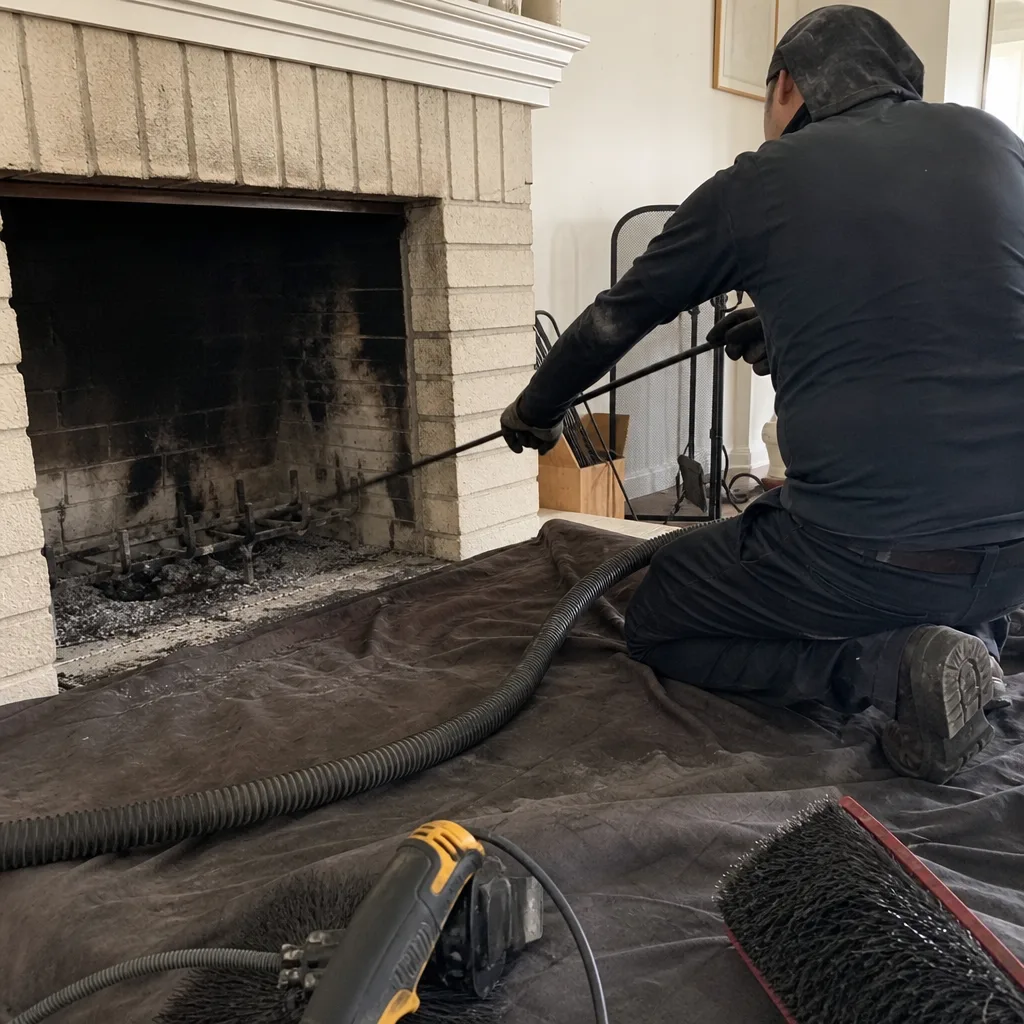 Before
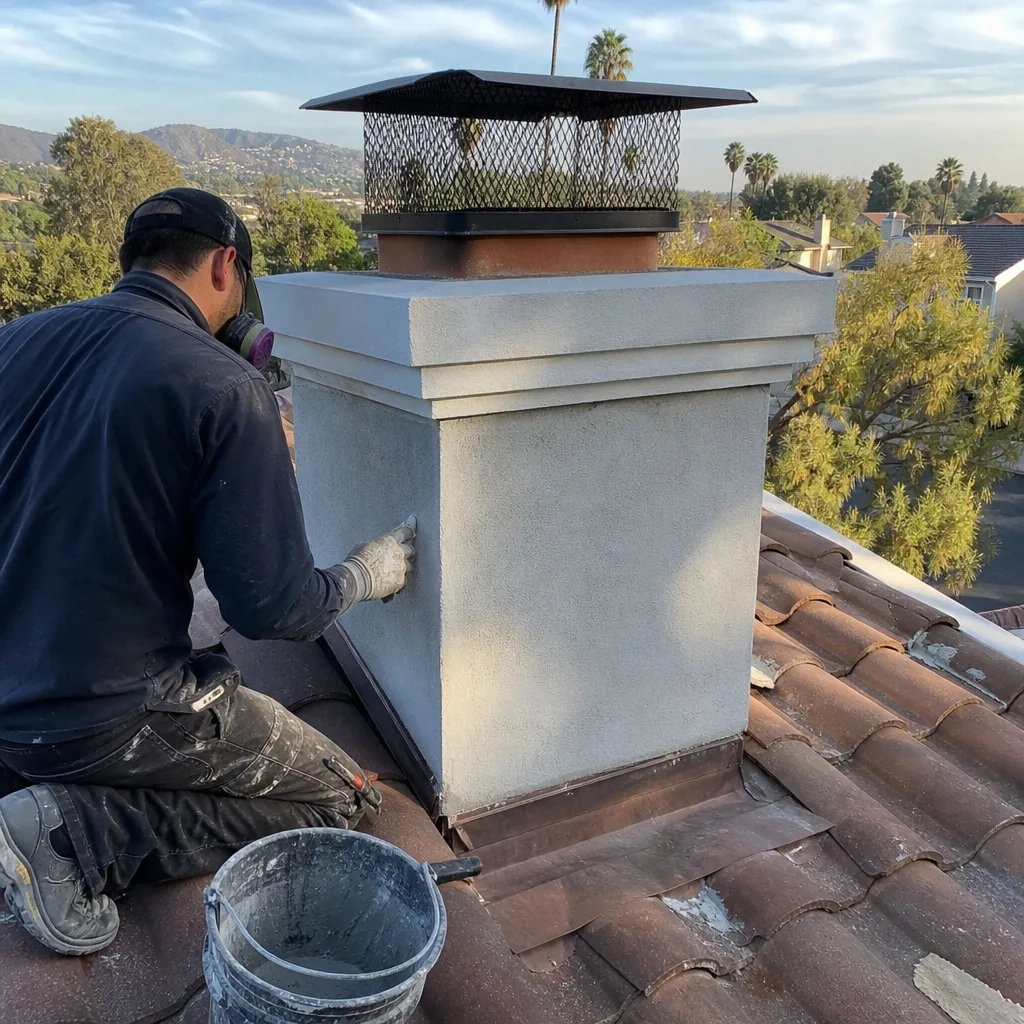 After
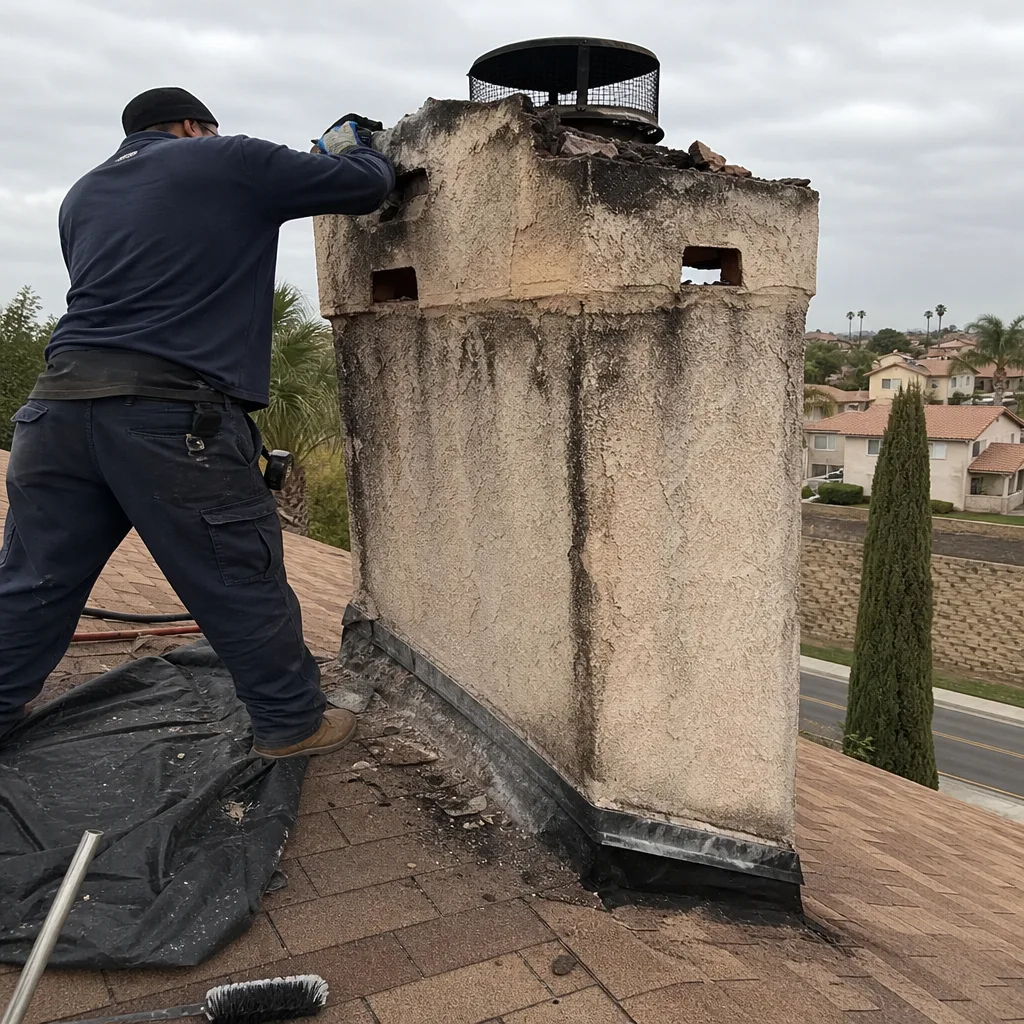 Before
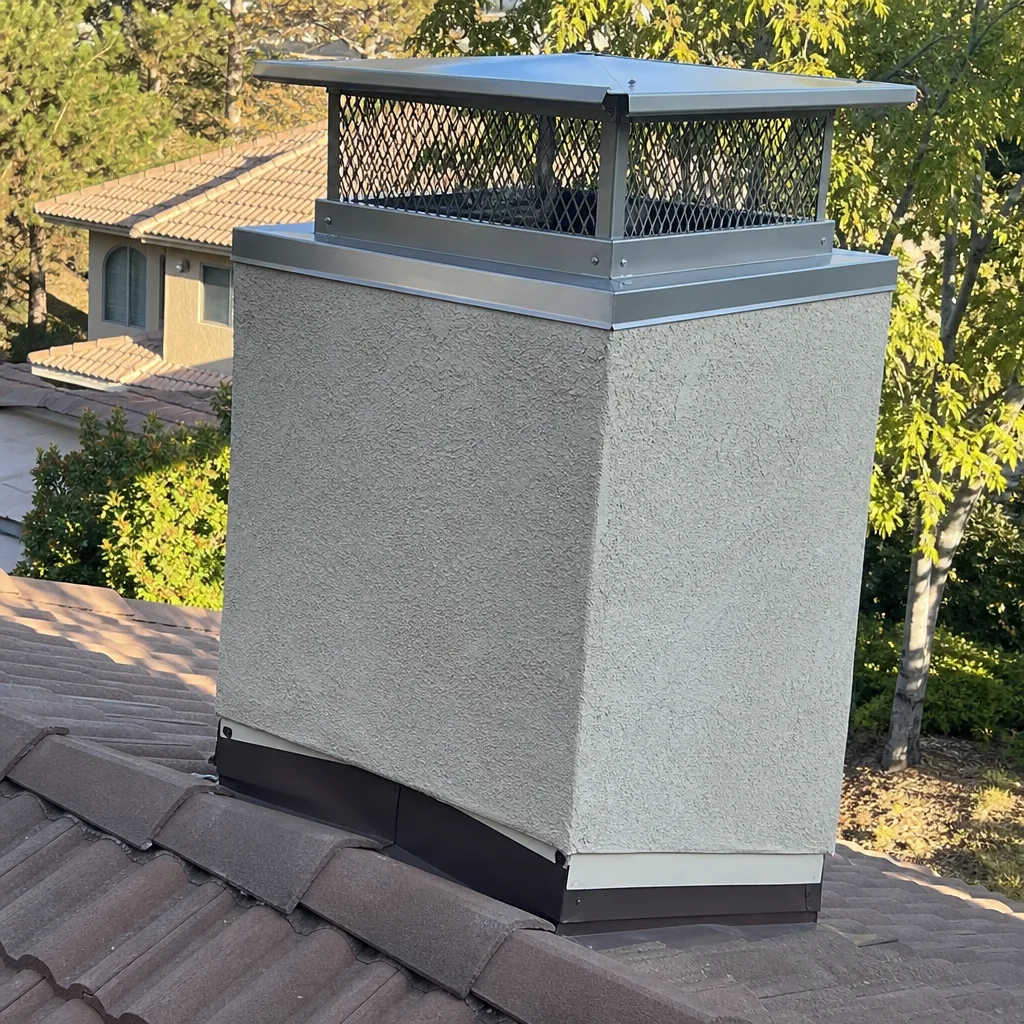 After
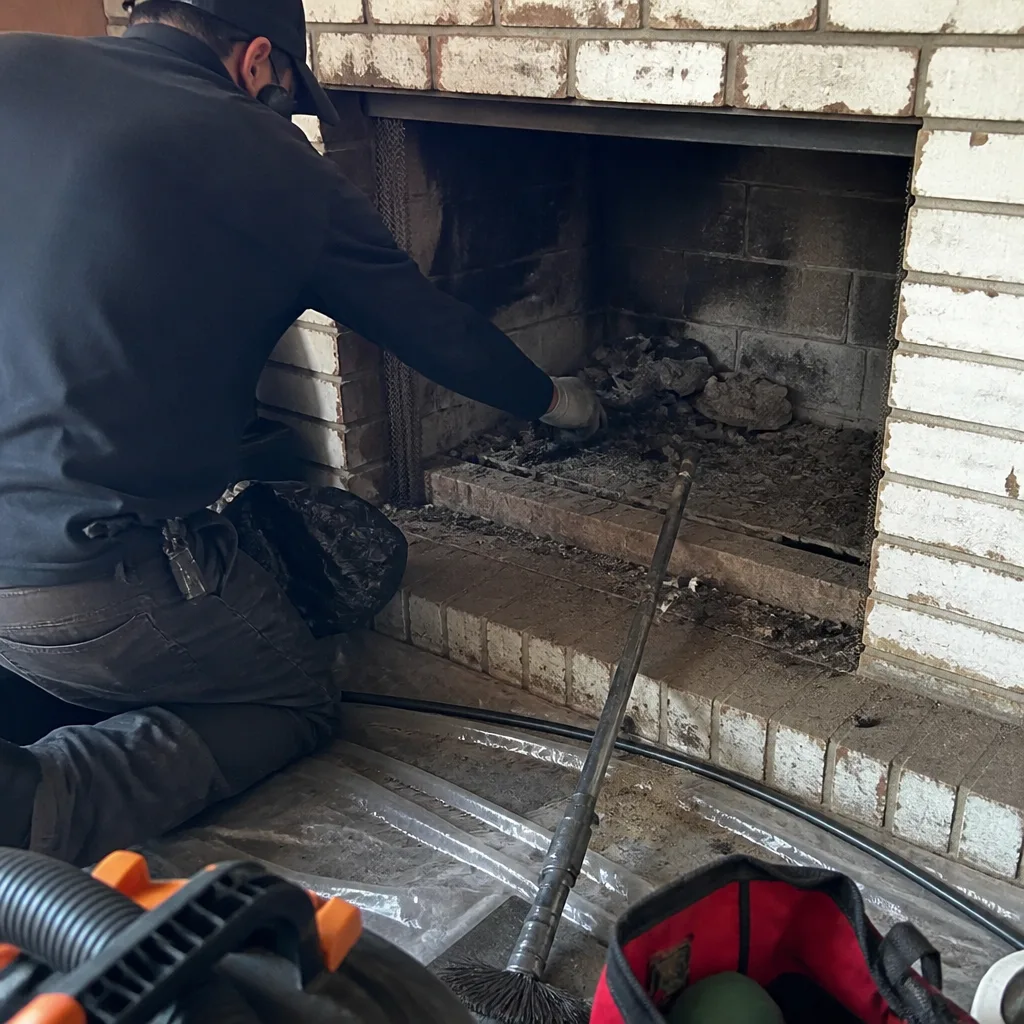 Before
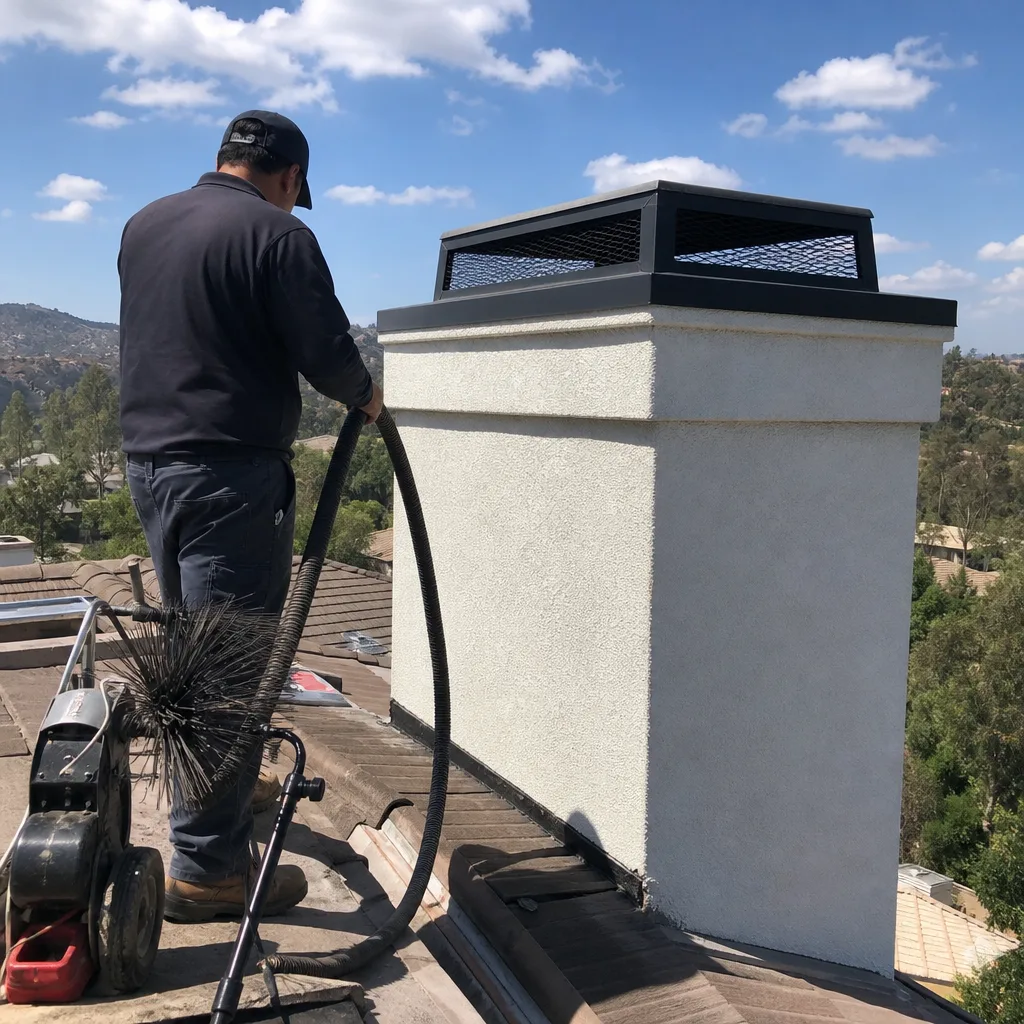 After