
Last updated November 3, 2026
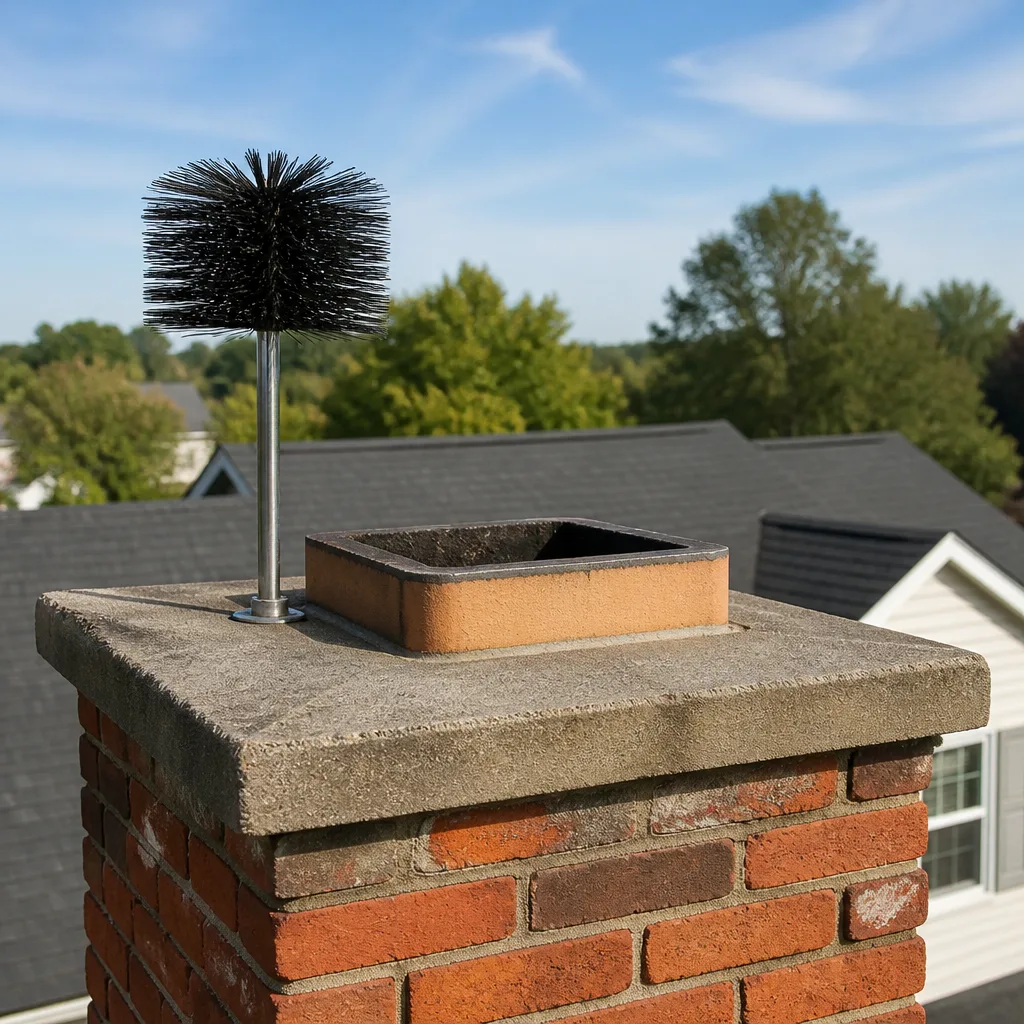 Sweep & inspection
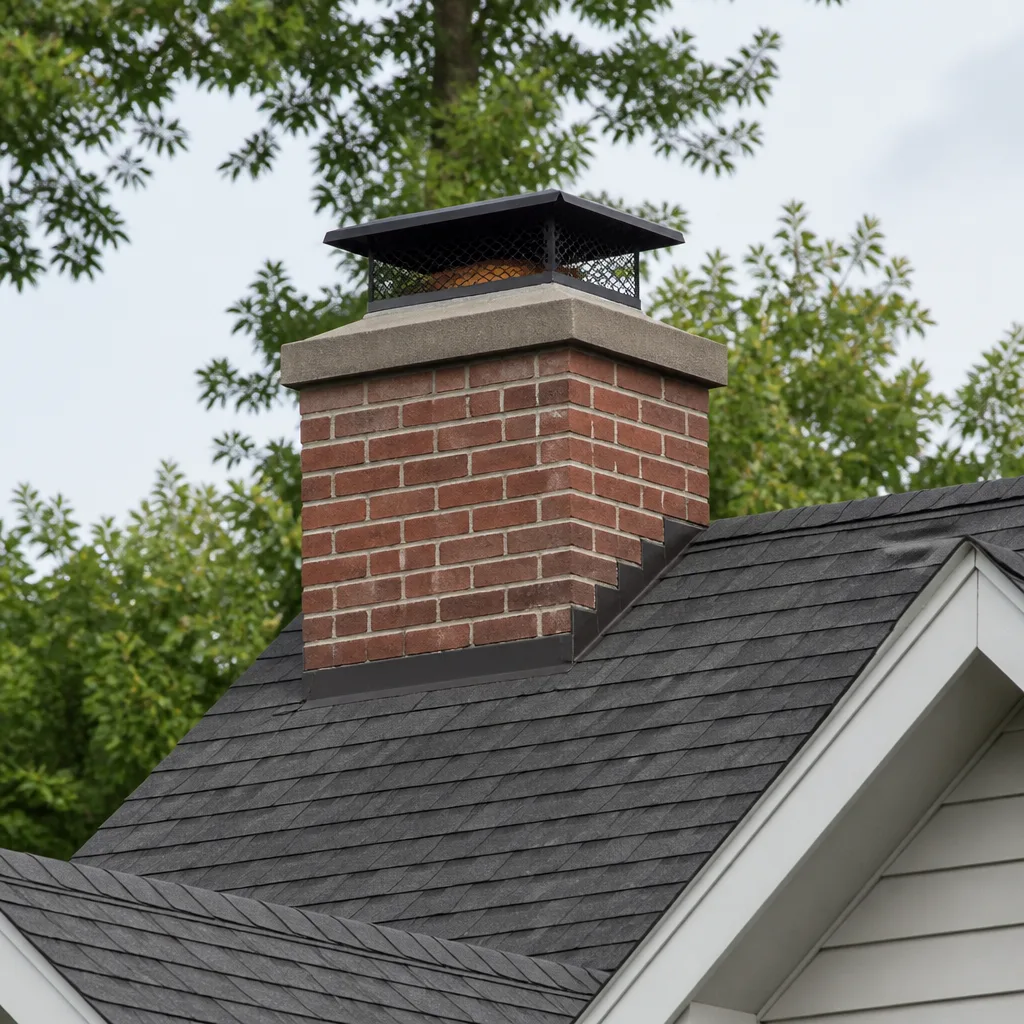 Caps & crowns
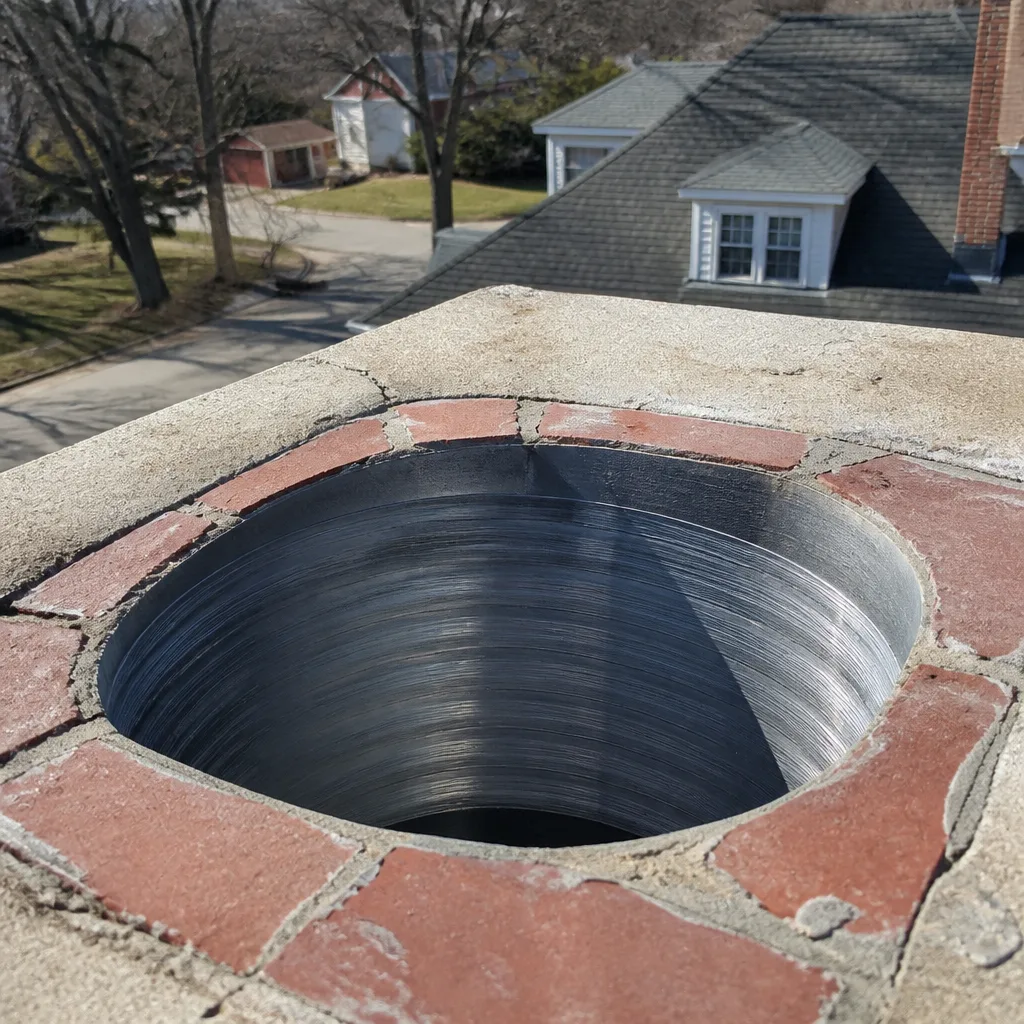 Flue relining
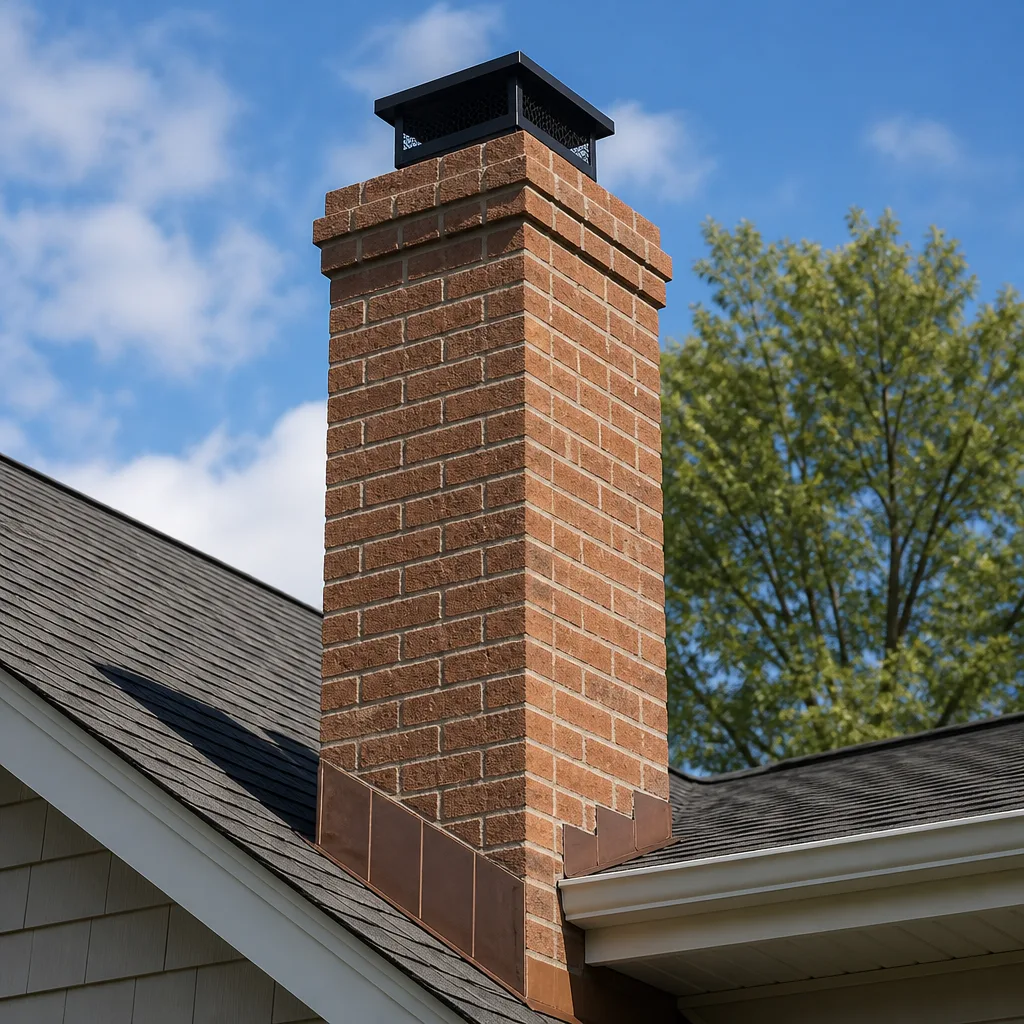 Masonry repair
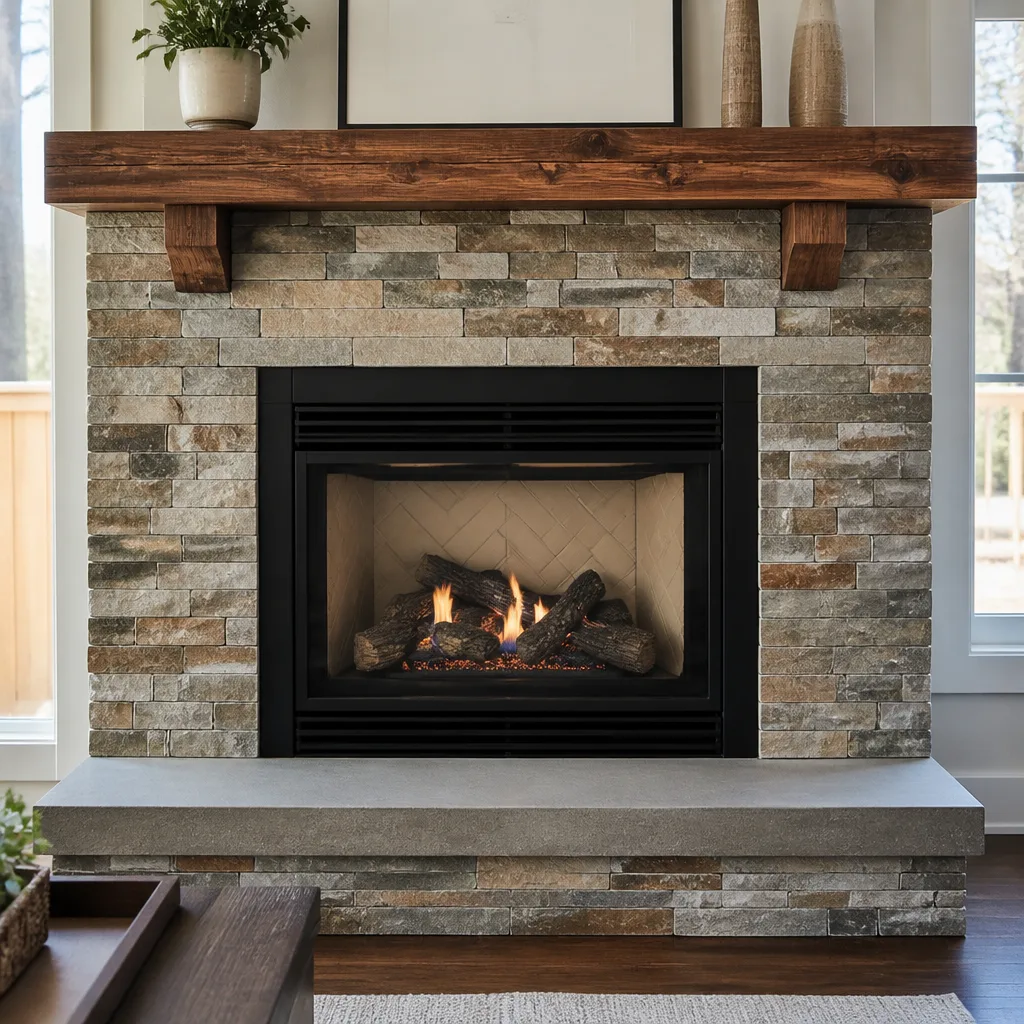 Gas fireplace service
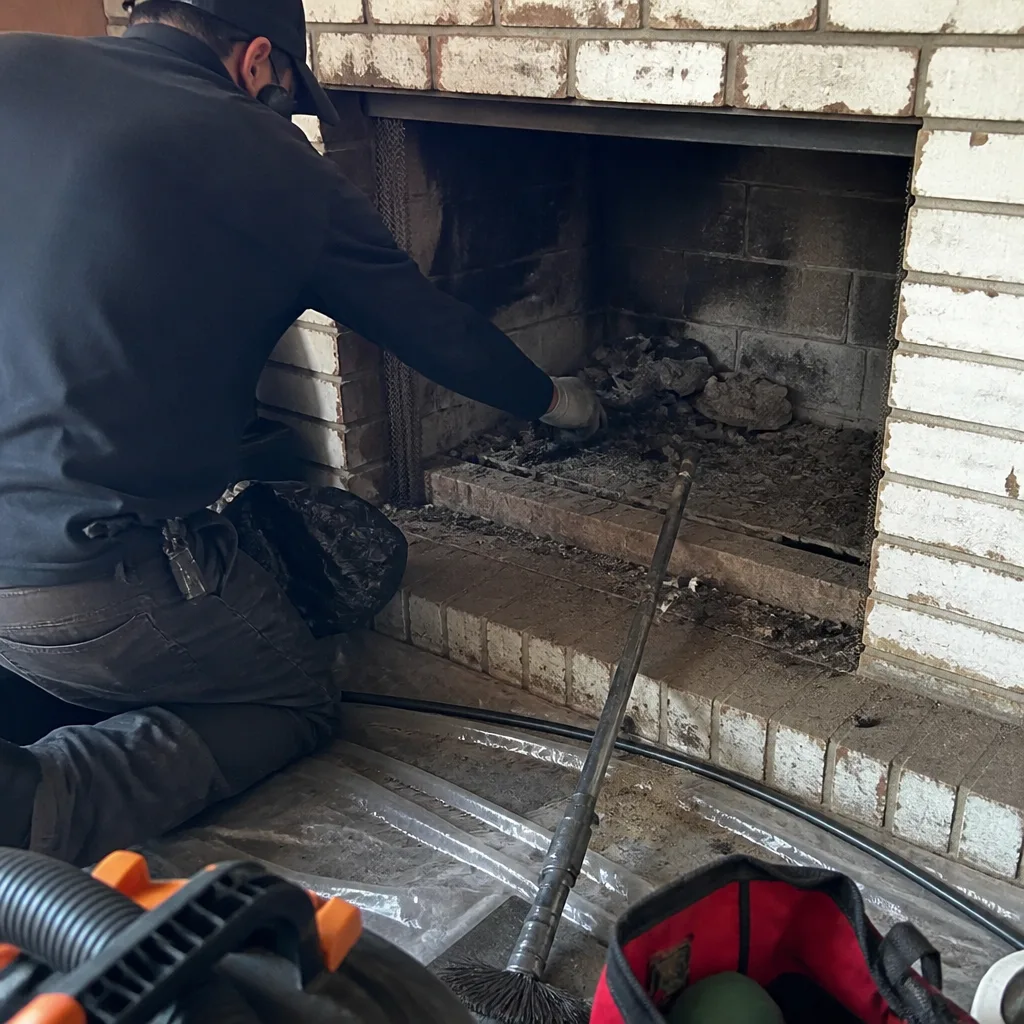
Level 1 sweep and inspection to the NFPA 211 annual standard - flue, crown, cap, and flashing checked and photographed
Chimney sweep logs do not sweep chimneys. They loosen some creosote - which then falls where a brush and vacuum still have to collect it.
The Complete Chimney Sweep Guide for Chino Hills Homeowners
A chimney that gets used only a handful of times each winter can still fail catastrophically. In Chino Hills, where fireplaces are often more architectural feature than primary heat source, we routinely find chimneys that look fine from the outside and are dangerous from the inside. The culprit is rarely creosote buildup alone. It’s the compounding effect of moisture intrusion during wet winters, mortar expansion during hot dry summers, and animal activity during the months nobody bothers to look. This guide – along with our Complete Guide to Chimney Cleaning in Chino Hills – explains what actually happens inside a Chino Hills chimney between sweeps, what a proper inspection covers, and how to time maintenance so a $200 cleaning never becomes a $2,000 repair. By the end, you’ll know exactly what to ask any chimney company before you let them on your roof.
Quick Answer
A chimney sweep in Chino Hills costs between $180 and $340 for a standard cleaning and Level 1 inspection, and it should be done once a year even if you only use your fireplace four or five times a season. The sweep removes combustible creosote and verifies that the flue, damper, cap, and crown are doing their jobs. Skipping it doesn’t just leave soot behind; it allows moisture and wildlife damage to progress undetected, which is how minor wear turns into major structural repair.
Styles & brands we work with
- Sweep & inspection
- Caps & crowns
- Flue relining
- Masonry repair
- Gas fireplace service
Table of Contents
- Why Annual Sweeping Matters More in Chino Hills Than You Think
- What a Chimney Sweep Actually Covers (Beyond the Flue)
- Level 1, Level 2, and Level 3 Inspections: What Each One Means
- How to Read a Sweep Report: Creosote Stages and What They Mean
- A Seasonal Maintenance Calendar for Chino Hills Fireplaces
- When a Sweep Isn’t Enough: Repair Signals to Watch For
- The Overlooked Fire Risk: Why Dryer Vent Cleaning Belongs in the Same Conversation
Why Annual Sweeping Matters More in Chino Hills Than You Think
The standard advice is to sweep your chimney once a year, and most homeowners assume that’s about creosote buildup. It’s not. In coastal and mountain climates where fireplaces run nightly all winter, creosote accumulates quickly and the risk is immediate. Here in Chino Hills, the fireplace in a typical home gets lit on maybe twenty evenings between November and February. That’s enough to deposit a thin layer of creosote, but not enough to create the thick, glazed accumulations that make headlines. So why does annual sweeping matter just as much here?
Because the climate in Chino Hills punishes chimneys in a different way. Our summers hit triple digits with single-digit humidity for weeks at a time. That heat bakes the mortar joints in your chimney crown and the masonry on the exterior chase. Then the winter rains arrive, and water seeps into every micro-crack that the summer heat opened up. When water gets into masonry and the temperature drops, the water expands as it freezes at higher elevations, but even without freezing, the repeated wetting and drying cycle erodes mortar. We’ve pulled apart crowns in Chino Hills that looked weathered but intact from the ground, only to find the interior mortar crumbling to powder. None of that is visible to a homeowner, and none of it comes up in a conversation about creosote.
Animals add another year-round variable. Birds, squirrels, and raccoons find uncapped or improperly capped chimneys in Chino Hills neighborhoods all the time. A bird that enters a chimney in March can build a nest that blocks the flue by April. A raccoon can do structural damage to a chase cover. If you don’t schedule a sweep before fall, the first fire of the season can push smoke and carbon monoxide back into your living room because the flue is obstructed. Annual maintenance catches these problems before the burning season tests them.
What the Mild-Winter Misconception Costs Homeowners
We see a consistent pattern in Chino Hills. A homeowner moves in, uses the fireplace twice the first winter, and files it under “rarely used, no attention needed.” Three years later, someone mentions chimney inspections at a holiday party, they call us, and we find a cracked crown, a rusted damper, and a flue lined with Stage 2 creosote from their casual use. For help deciding whether to tackle this yourself or hire a pro, see our DIY vs Professional Chimney Cleaning: The Chino Hills Homeowner’s Decision Guide. The sweep costs the same either way. The difference is whether we’re also talking about a $600 crown repair or a $2,100 flue relining.
Your Chimney Sweep in Chino Hills is exactly this kind of preventive maintenance. Treat it like a dentist appointment: you go even when nothing hurts, because the problems you can’t feel are the ones that cost the most to fix later.
What a Chimney Sweep Actually Covers (Beyond the Flue)
A legitimate chimney sweep is an inspection service as much as a cleaning service. Any company that just runs brushes up the flue and hands you a bill skipped most of the job. Here’s what a proper sweep in Chino Hills should include, top to bottom.
The Chimney Cap and Spark Arrestor
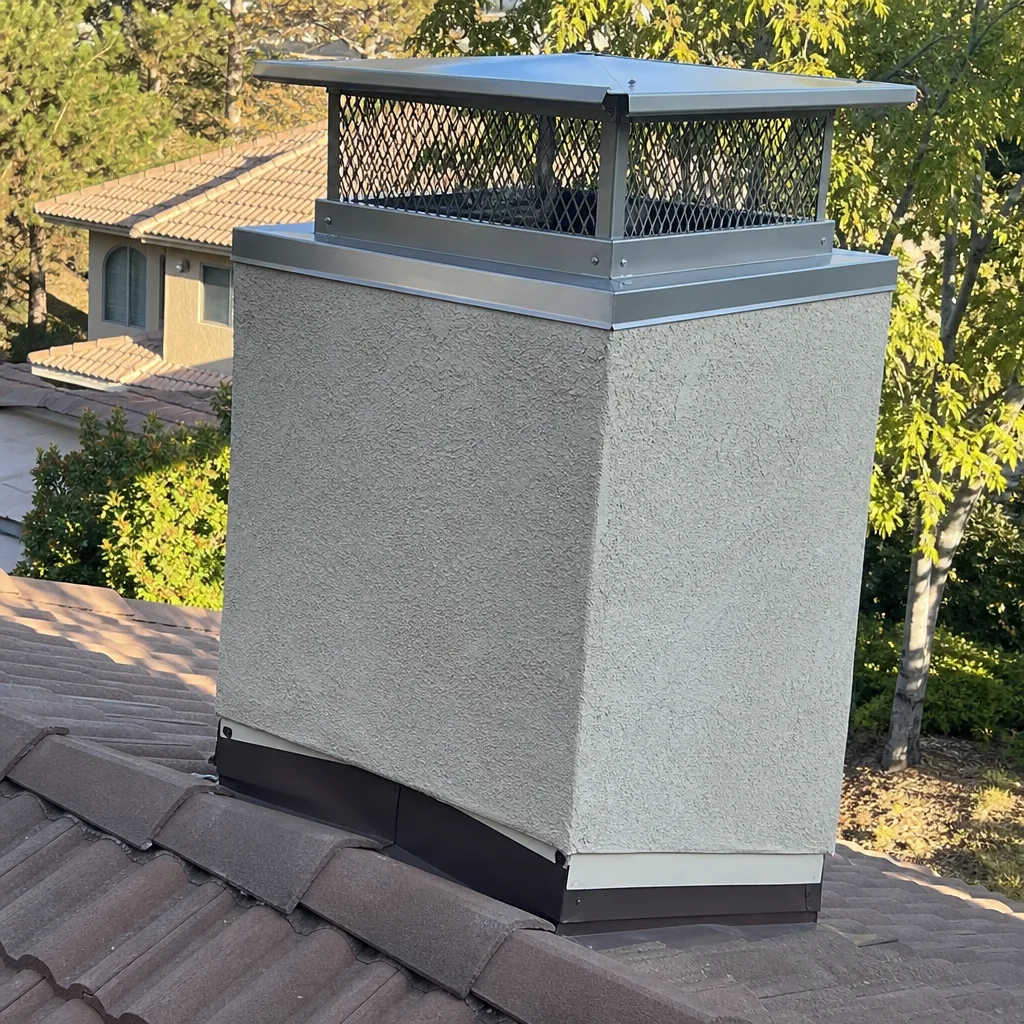
The cap is the first line of defense against rain, animals, and flying embers. During a sweep, the cap comes off (or is inspected from the roof for units that are sealed). We check for rust, bent spark arrestor mesh, missing screws, and gaps where rain water can run straight down the flue. A missing or failed cap is the single most common entry point for moisture in Chino Hills chimneys, and it’s also how birds and squirrels get inside.
The Flue Liner
The liner is the tube that carries smoke from your firebox to the outside. If it’s a clay tile liner, we look for cracked or misaligned tiles, gaps, and spalling (flaking caused by moisture). If it’s a metal liner, we look for warping, corrosion, and disconnected segments. The liner is also where creosote lives, so the cleaning itself is concentrated here. A cracked liner is not a “next year” problem. It’s a fire risk in the current year.
The Damper
Your damper sits at the bottom of the flue and seals the firebox when the fireplace is not in use. A damper that won’t close fully lets conditioned air escape your living room into the atmosphere all year. A damper that won’t open fully makes lighting a fire smoky and frustrating. During a sweep, we test the damper’s range of motion, look for rust on the hinges, and verify the seal. Damper repair is one of the most common follow-up calls we make, and it’s frequently mistaken for a “smoky fireplace” problem rather than a mechanical failure.
The Firebox
The firebox is the brick or refractory panel box where the fire actually burns. Heat stress and thermal cycling crack firebrick over time. Those cracks let heat reach structural framing that was never meant to be exposed to fire. During a sweep, we inspect firebox walls and floors for cracks wider than a nickel, for loose mortar, and for panel gaps that could allow hot gases into the surrounding chase.
The Crown, Mortar, and Exterior Masonry
The crown is the concrete or stone cap that covers the top of the chimney structure. It slopes slightly to shed rainwater. When the crown cracks, rainwater enters the chimney structure itself, and in Chino Hills’ hot-dry to wet-cold cycle, the damage compounds quickly. The exterior mortar joints, especially above the roofline, are exposed to the harshest elements. A proper sweep includes a visual inspection of these components and documentation of any deterioration.
A company that checks all of this is performing a Level 1 inspection, which the Chimney Safety Institute of America defines as the minimum standard for an annual service visit. If your sweep doesn’t cover these points, you didn’t get a sweep. You got a brushing.
Level 1, Level 2, and Level 3 Inspections: What Each One Means
The CSIA defines three inspection levels, and understanding the difference helps you know what you’re getting and when to ask for more. Most Chino Hills homeowners only ever need a Level 1. But certain events trigger a need for a Level 2, and ignoring that distinction can leave significant damage undetected.
Level 1 Inspection
A Level 1 inspection happens during a routine sweep when the chimney has not changed since the last visit. The technician inspects all accessible portions of the chimney interior and exterior, verifies the flue is clear of obstructions and combustible deposits, and confirms the system is functioning as intended. No special tools are used, no access to concealed areas is required, and it takes place as part of the standard cleaning appointment. This is the right level for a chimney that’s been swept annually and has no history of damage, water intrusion, or animal entry.
Level 2 Inspection
A Level 2 inspection is required when there’s been a change to the system. That list includes: selling the home and transferring ownership, installing a new heating appliance, a chimney fire, a lightning strike, an earthquake, significant weather events, or any time the chimney has not been inspected in over three years. A Level 2 includes everything in a Level 1, plus access to attics, crawl spaces, and other areas around the chimney that require basic tools like screwdrivers and ladders. It also includes a video scan of the flue interior. In Chino Hills, we recommend a Level 2 after any significant Santa Ana wind event that could have loosened the cap or crown, and after any brush fire season that deposited ash and debris on your roof and into the flue. Real estate transactions in Chino Hills should always include a Level 2 chimney inspection, even if the buyer doesn’t ask for one. The standard home inspection rarely covers the flue interior, and that’s where the expensive surprises live.
Level 3 Inspection
A Level 3 inspection is the least common and the most invasive. It’s required when a Level 1 or Level 2 reveals a problem that needs further investigation, or when a chimney fire is suspected to have caused hidden damage. A Level 3 can involve removing portions of the chimney structure, interior walls, or the crown to access concealed areas. It’s rarely needed in Chino Hills, but when it is, it’s because someone skipped Level 1 visits for a decade.
Which Level Do You Need?
- Routine annual sweep, no changes, no issues: Level 1.
- Buying or selling a home in Chino Hills: Level 2.
- After a Santa Ana windstorm that left debris on your roof: Level 2.
- After a chimney fire, even a small one: Level 2 minimum, possibly Level 3.
- You can’t remember the last time anyone looked at the chimney: Start with a Level 1, expect the inspector may recommend a Level 2.
How to Read a Sweep Report: Creosote Stages and What They Mean
After a sweep, you should get a written report. The language in that report matters, and most homeowners don’t know how to interpret it. Here’s a plain-English translation of the creosote classifications you’ll see.
Creosote is the black, tarry residue that forms when wood smoke condenses on the cooler walls of the flue. It’s classified in three stages based on its physical form and what it takes to remove.
Stage 1: Light Creosote
Stage 1 creosote is flaky soot that brushes off with a standard chimney brush. It’s the equivalent of dust on a shelf. If your report says “light creosote,” your fire-burning habits are reasonable, and the routine cleaning handled it. No additional action needed.
Stage 2: Glazed Creosote
Stage 2 creosote is sticky and tar-like. It forms when fires burn at lower temperatures, often because the firewood was not properly seasoned or the fire was allowed to smolder. It requires rotary cleaning tools with wire brushes to remove, and in larger deposits, it can take significant scrubbing. If your report says “Stage 2 creosote” or “glazed creosote,” the technician is telling you something about how the fireplace has been used. Wet wood, closed dampers too early, or small smoldering fires all contribute. The risk level rises meaningfully, and the next burn season should include better wood and hotter fires.
Stage 3: Heavy Glazed Creosote
Stage 3 creosote is hard, shiny, and essentially a fuel nozzle waiting inside your chimney. It forms when Stage 2 deposits accumulate and re-bake over multiple burn cycles. It cannot be brushed off. In most cases, removing Stage 3 creosote requires chemical treatments applied over several days, followed by rotary cleaning. Sometimes the residue is so thick that full removal is impractical and the flue needs relining. If your report says Stage 3 creosote, this is a chimney that has burned significant amounts of unseasoned wood or experienced a chimney fire already. The immediate priority is not just cleaning. It’s evaluating the liner for damage from the heat cycles that created the creosote in the first place.
Other Report Terms You Should Recognize
- “Light creosote, no issues noted” – Your chimney is in normal condition. Keep doing what you’re doing.
- “Moderate creosote in smoke chamber” – The smoke chamber, the area just above the damper, is often overlooked by sloppy sweeps. A competent one found it and cleaned it.
- “Hairline crack in crown, recommend monitoring” – A small crown crack may not need immediate repair, but it should be sealed before the next rain season.
- “Gaps in clay tile liner at 8-foot and 11-foot marks” – This is a structural finding. Clay tile liners are segmented, and gaps between tiles allow heat and gases to reach the surrounding chimney structure. This is a Level 2 or repair recommendation, not an observation to file in a drawer.
- “Rust on damper assembly” – Moisture is entering the chimney somehow. The damper is rusting because of it. Find the entry point before it becomes a structural repair.
In our experience, we find that Chino Hills homeowners who have used their fireplace for several years without a sweep almost always have Stage 2 creosote, and depending on their wood source, occasionally Stage 3. The report isn’t a scare document. It’s a factual record that tells you what happened inside the chimney and what needs to happen next.
A Seasonal Maintenance Calendar for Chino Hills Fireplaces
You don’t need to think about your chimney every month. But there are four points on the calendar that matter in Chino Hills, and timing them correctly saves money and prevents problems.
- Early September: Pre-Holiday Sweep and Inspection – The sweet spot for scheduling a chimney sweep in Chino Hills is the first two to three weeks of September, before the holiday season rush begins. Temperatures have dropped enough that sweep technicians can work on the roof without the brutal August heat, and you still have time to address any findings before Thanksgiving. If your sweep reveals a cracked cap or damaged liner, you have eight to ten weeks to get repair work scheduled before peak demand.
- November: First-Fire Walkthrough – Before you light the first fire of the season, do a 30-second visual check inside the firebox. Look upward with a flashlight. If you see any obstruction, any white staining on brick (efflorescence from moisture), or any debris that wasn’t there in September, call before you burn. This is also the time to verify your smoke and carbon monoxide detectors have fresh batteries. A working chimney is useless if the rest of the safety system is dead.
- January to February: Mid-Season Observation – During the burning season, pay attention to how the fireplace behaves. Smoke that enters the room rather than rising straight up the flue suggests a draft problem, a damper issue, or an obstruction. A fire that’s hard to light or doesn’t maintain a strong flame may mean unseasoned wood or insufficient air. Any popping, banging, or unusual odor that persists after the first two fires of the season is worth a phone call. Mid-season detection is cheaper than post-season discovery.
- May: Post-Season Assessment and Repairs – Once the rains have stopped and the roof is dry, it’s the right time for any structural work identified in September or through winter observation. Crown repairs, masonry repointing, and liner work all need dry conditions and above-freezing temperatures. Doing these repairs in May means the chimney sits fully protected through the summer heat and the next winter’s rains. You can also schedule Chimney Repair in Chino Hills work now without competing with every other homeowner who discovered a problem in the fall.
The Santa Ana wind events that sweep through the region between October and February deserve their own note. These winds can reach 60 to 80 mph in the hills, and they carry debris, dust, and tree branches that batter chimney caps and crowns. After a significant Santa Ana event, do a visual check from the ground: can you see the cap? Is it straight? Are there shingles or branches on the roof near the chimney? If anything looks off, schedule a Level 2 inspection before the next burn.
When a Sweep Isn’t Enough: Repair Signals to Watch For
A standard sweep is maintenance. It removes what’s accumulated and verifies that what’s there is intact. But sometimes a sweep reveals problems, and sometimes problems reveal themselves between sweeps. Here are the signals that you’re past maintenance and into repair territory.
Moisture and Water Staining
Water marks on the ceiling near the chimney, on the firebox walls, or on the exterior masonry above the roofline all mean the same thing: water is getting into the chimney system. The most common entry points are a cracked crown, a failed cap, or deteriorated mortar joints. None of these is a brush-and-go fix. They’re repair issues, and they’re the kind of issue where the repair compounds quickly if left unaddressed. By the time you see water inside the living space, the chimney has been leaking for a while.
Visible Flaking or Spalling on the Firebox
Firebrick that flakes, chips, or erodes is failing under thermal stress. Small spalling on a firebox floor is sometimes ignorable for a season. Larger spalling, gaps between firebricks, or loose panels are not. The firebox contains the fire. When it degrades, the fire has a path into the surrounding structure.
Odors When the Fireplace Is Not in Use
A smelly fireplace in the summer is one of the most common complaints we hear in Chino Hills. The odor is usually creosote off-gassing in heat, and it’s a sign that the flue hasn’t been cleaned in a long time or that the damper isn’t sealing. A cleaning addresses the first cause. A damper repair addresses the second. Both are cheaper than a chimney fire.
Rust on the Damper or Firebox Accessories
Rust anywhere in the firebox or damper assembly is proof that water is entering the chimney. There’s no other source of rust inside a fireplace. Rust on the damper means the moisture is coming down through the flue, which usually means the cap or crown has failed. When you see rust, don’t clean it off and wait. Find the leak.
Liner Damage Found During a Sweep
If your sweep report includes language about cracked tiles, missing mortar in the flue, or gaps in the liner, the correct response is a repair consultation, not a “we’ll keep an eye on it” note. Damaged liners do not improve with time. They get worse, and they invite house fires. For minor spalling and cracking, a HeatShield resurfacing process can restore the liner without replacing it, using the existing flue as a form. For more significant damage, a DuraFlex flexible liner system allows full relining even when the existing flue path is complex or obstructed. Both options are repair-grade solutions, and both are beyond what a sweep-only company can provide.
The honest answer to the question “Do I need a repair or just a sweep?” is this: a sweep will tell you if a repair is needed, which is exactly why you should schedule one before you assume a repair is necessary. We show you what we find before we recommend what to fix, and that’s the only sequence that makes sense. For a full breakdown of what repair work involves, see our Chimney Repair in Chino Hills guide. If you need someone to walk your entire fireplace system, that’s what our Chimney Sweep Chino Hills home service page is for.
The Overlooked Fire Risk: Why Dryer Vent Cleaning Belongs in the Same Conversation
Chimneys aren’t the only exhaust system in your Chino Hills home that needs professional attention. Dryer vents are the most overlooked fire risk in residential construction, and the U.S. Fire Administration has documented them as a leading cause of residential dryer fires. Lint is highly combustible, and the warm, dry air that moves through the vent creates ideal conditions for accumulation on the vent walls.
The reason this belongs in a chimney guide is simple: the same neglect pattern applies. Homeowners assume that because the dryer is working, the vent is clear. But a partially clogged dryer vent forces the dryer to work harder, which extends drying times, which increases energy costs, which increases the heat in the vent. That heat and lint combination is the fire risk. A full clog can also push carbon monoxide from gas dryers back into the living space if the vent is completely blocked.
Signs Your Dryer Vent Needs Cleaning
- Clothes take more than one drying cycle to finish
- The exterior vent flap doesn’t open fully during dryer operation
- You notice a burning smell in the laundry room
- The dryer exterior feels unusually hot to the touch
- Your lint trap fills faster than it used to
The standard recommendation is annual dryer vent cleaning for households that do regular laundry loads. Homes with long vent runs, multiple bends, or second-floor vents may need more frequent attention. This is a service that pairs naturally with Dryer Vent Cleaning in Chino Hills because the same technician can address both exhaust systems in one visit, one call, one appointment. And since both services are about moving air out of your home safely, it makes sense to have them handled by a company that understands venting systems as a category, not just as an add-on.
Sweep. Inspect. Repair. One company, one call. That’s the full-service framing that matters when you’re trying to protect a home, not just maintain a fireplace. For more guides & resources on keeping your chimney safe year-round, explore our blog.
Common Mistakes to Avoid
- Skipping the sweep because you rarely use the fireplace. Infrequent use means less creosote, but it also means more time for animals, moisture, and structural damage to accumulate undetected. The sweep is your only regular look inside the chimney.
- Hiring a “brush-only” company with no inspection. A company that runs the brush up the flue and leaves hasn’t checked the cap, crown, damper, firebox, or liner. You’ve paid for half a service and gotten none of the safety benefit.
- Using unseasoned wood from a local big-box store. Wet wood burns cooler, creates more creosote, and turns a routine Stage 1 chimney into a Stage 2 problem in one season. Buy wood from a local Chino Hills supplier who can tell you when it was split and how long it’s seasoned.
- Ignoring the damper between fires. An open damper lets your heated or air-conditioned air escape the house continuously. Close it when the fire is fully out and the embers are cold.
- Delaying a recommended repair because “it looked fine on the sweep day.” A sweep report identifies problems that are not visible to the naked eye. If you were told about a crown crack or liner gap, the problem doesn’t wait for you to feel ready to address it.
- Treating a Santa Ana windstorm as routine weather. These wind events hit harder than typical rainstorms, and debris damage to chimney components is common. A quick visual check after a big one costs nothing and can catch a cap that’s about to fail.
- Assuming the home inspector covered the chimney when you bought the house. Standard home inspections rarely include a flue video scan or a detailed crown and cap evaluation. A Level 2 chimney inspection is separate, and if you bought a Chino Hills home without one, the chimney’s history is unknown to you until someone looks.
See the difference
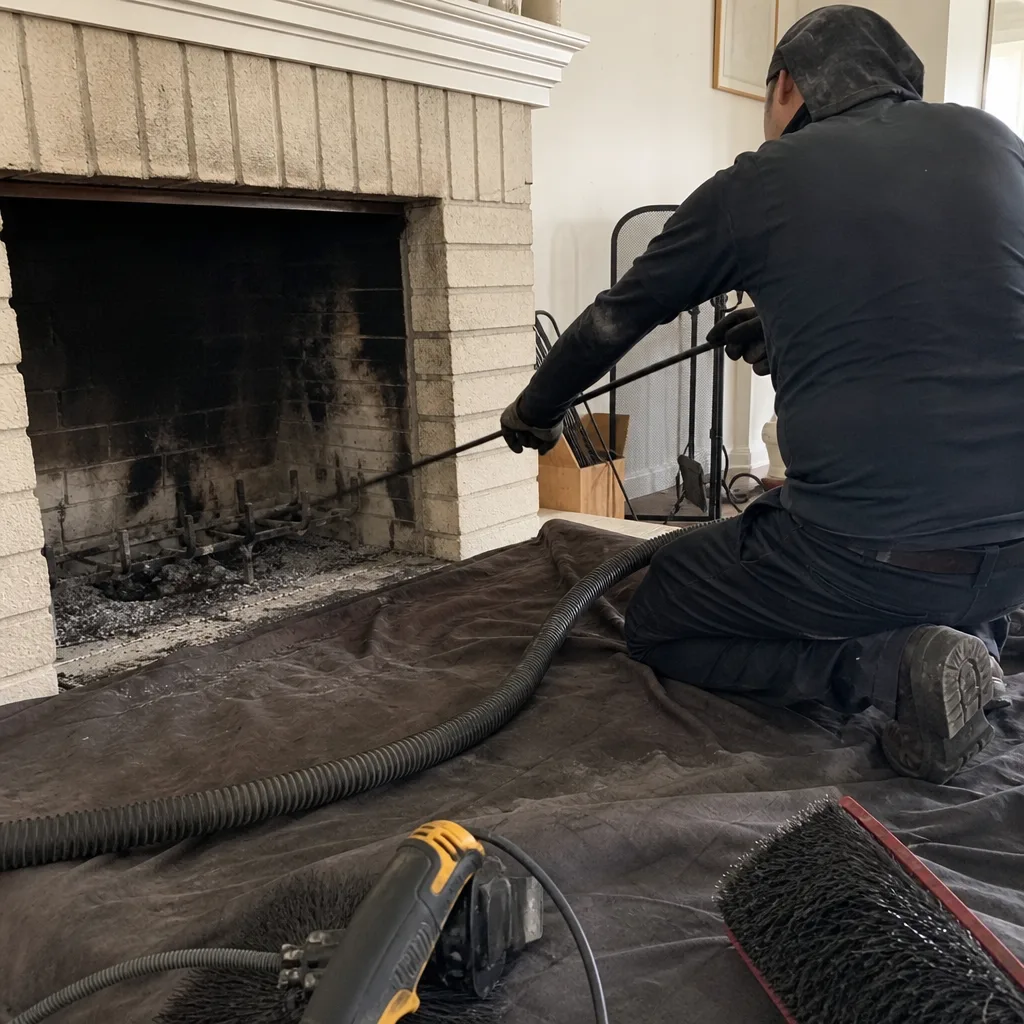 Before
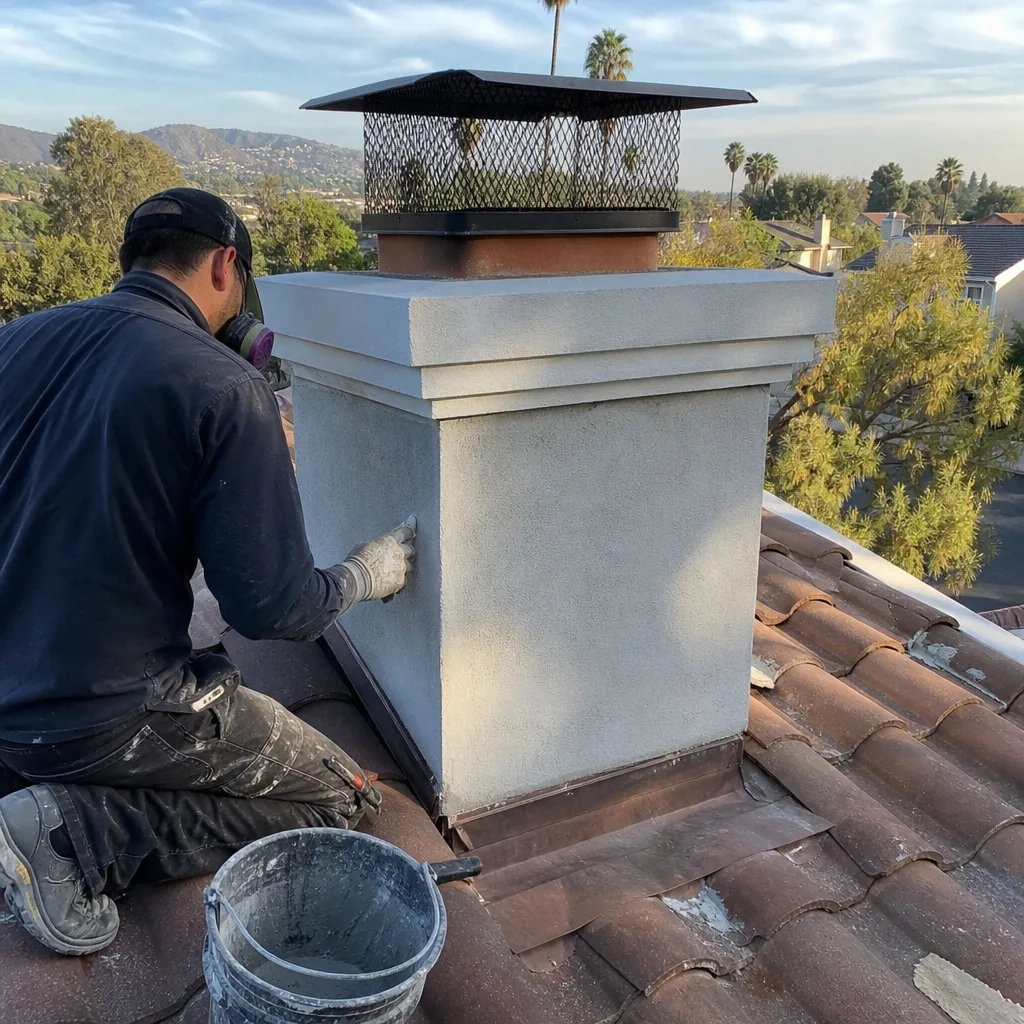 After
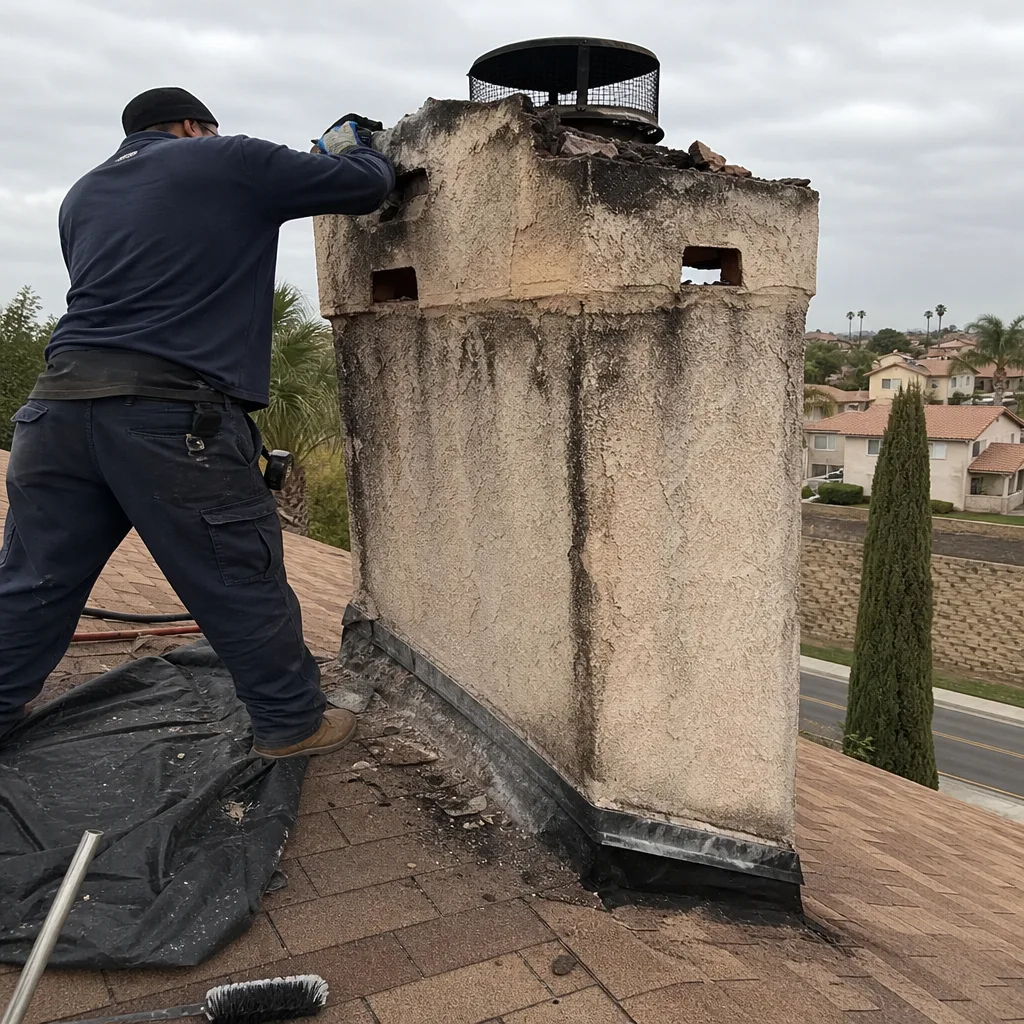 Before
 After
 Before
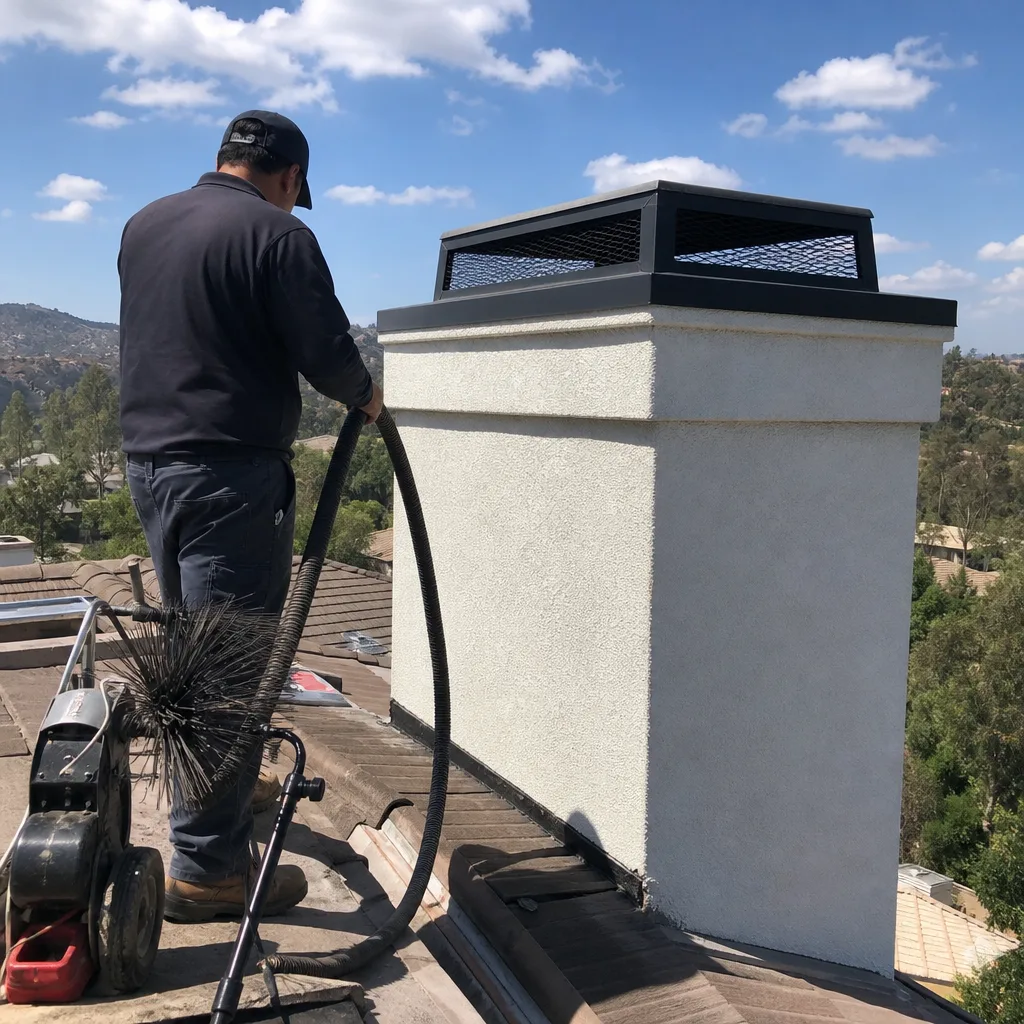 After
When to Call a Professional
Call a chimney professional when you see water staining near the chimney, when animals have been in or near it, when your fireplace smokes back into the room, when the damper won’t move, or when it’s been more than two years since anyone looked at the system. Call after any house fire, chimney fire, or significant Santa Ana wind event. Call before you buy or sell a home in Chino Hills. And call if you simply can’t remember the last time someone cleaned the flue. Chimney Sweep Chino Hills offers free estimates in Chino Hills. Call (877) 358-0941 and we’ll walk you through what needs attention and what can safely wait.
Frequently Asked Questions
A standard chimney sweep and Level 1 inspection in Chino Hills typically costs between $180 and $340, depending on the size of the flue, the amount of creosote, and the accessibility of the roof. Structural repairs like crown repair or liner work are quoted separately after the inspection reveals what’s needed. Call (877) 358-0941 for an exact quote, estimates are free.
Yes, because the sweep is an inspection as much as a cleaning. In Chino Hills specifically, the wet-dry climate cycle causes crown and mortar damage even in fireplaces that sit unused for eleven months a year, and animal entry is a year-round risk in our neighborhoods. The annual visit is your only regular opportunity to catch these problems before they become structural repairs.
A sweep removes creosote and soot from the flue and smoke chamber. An inspection evaluates the condition of the entire chimney system, including the cap, crown, liner, damper, firebox, and exterior masonry. A proper sweep always includes at least a Level 1 inspection; if a company charges separately for the two and doesn’t perform the inspection as part of the sweep, you’re working with the wrong company.
Once per year, ideally in September before holiday use begins. Homes that burn more than a cord of wood per season may need a mid-season sweep if creosote accumulates quickly. Homes with gas fireplaces still need annual inspections for venting, cap condition, and moisture intrusion, even though gas produces less creosote than wood.
Creosote accumulates, moisture intrusion goes undetected, and animals may move in. If creosote reaches Stage 3, it becomes a chimney fire risk. If water gets into the masonry and isn’t caught, crown repair and relining costs run into the thousands. The $200 sweep you skipped turns into a $2,000 repair, and sometimes into a much more serious problem. Call (877) 358-0941 for a free estimate if you’ve let things slide.
Yes, and in many Chino Hills homes it makes sense to do both in one appointment. The dryer vent is a separate exhaust system with its own fire risk from lint buildup, and the same technician can address both during the same visit. It’s not an add-on upsell. It’s a second exhaust system that has the same neglect pattern as the chimney and the same potential consequence if ignored.
Not necessarily. Minor cracking and spalling can often be resurfaced with HeatShield, which restores the liner without removing it. More significant damage or a clay tile flue with major gaps may require a DuraFlex flexible liner system. The only way to know is to have the flue evaluated visually and with a video scan. We’ll show you what we find before we recommend what to fix, and if the liner can safely wait a year, we’ll tell you that plainly.
The Bottom Line
A chimney in Chino Hills is a system, not a feature, and it requires the same annual attention as your HVAC or your roof. The fact that your fireplace only fires up a handful of times per season doesn’t reduce the need for inspection; it changes the type of risk from creosote accumulation to moisture damage, animal entry, and unnoticed structural wear. A proper sweep includes a full Level 1 inspection from cap to firebox. A proper sweep company can also handle the repair work if the inspection finds something. And the same company should be able to clean your dryer vent while they’re there, because a clogged vent is the chimney’s quieter, faster-burning cousin. Schedule in September. Pay attention after Santa Anas. Don’t let the first cold night of November be the first time you think about your chimney this year.
Written by the team at Chimney Sweep Chino Hills, serving Chino Hills since 2017.