
Last updated November 2, 2026
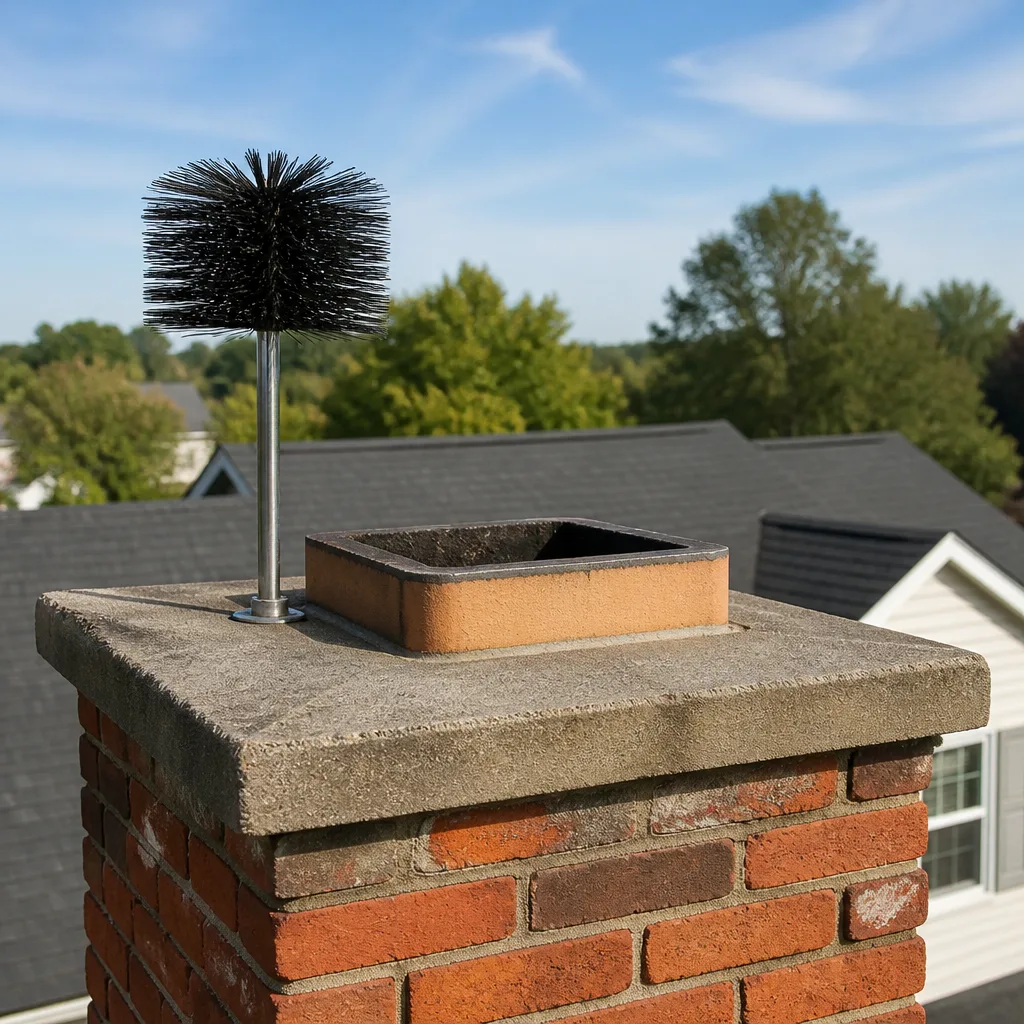 Sweep & inspection
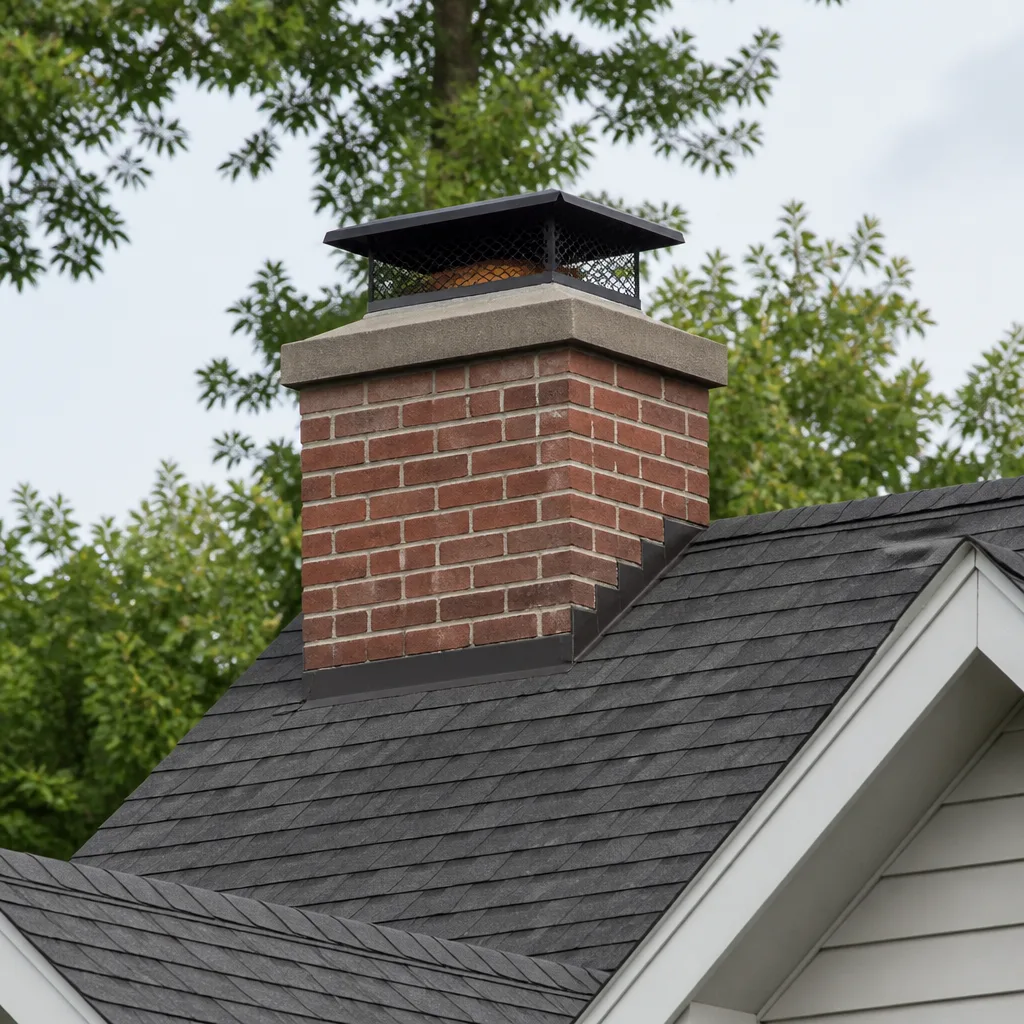 Caps & crowns
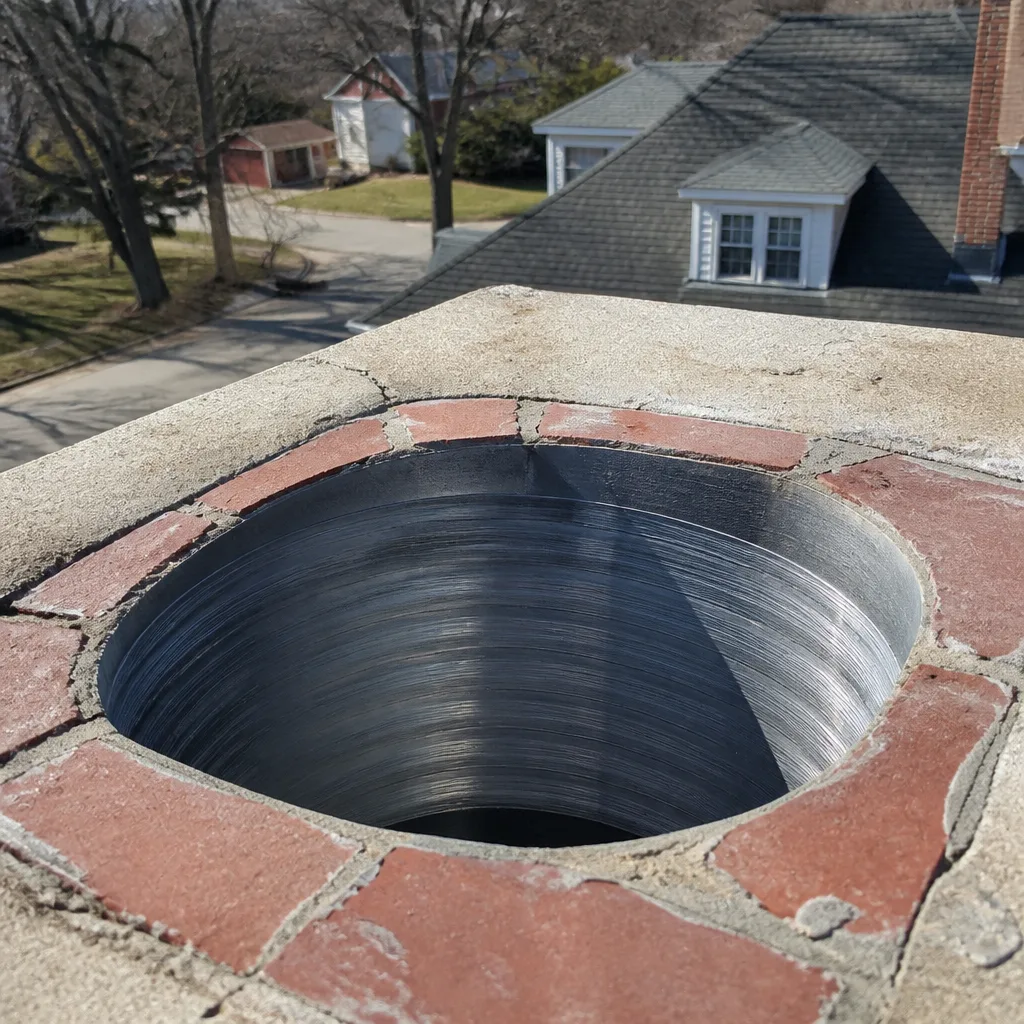 Flue relining
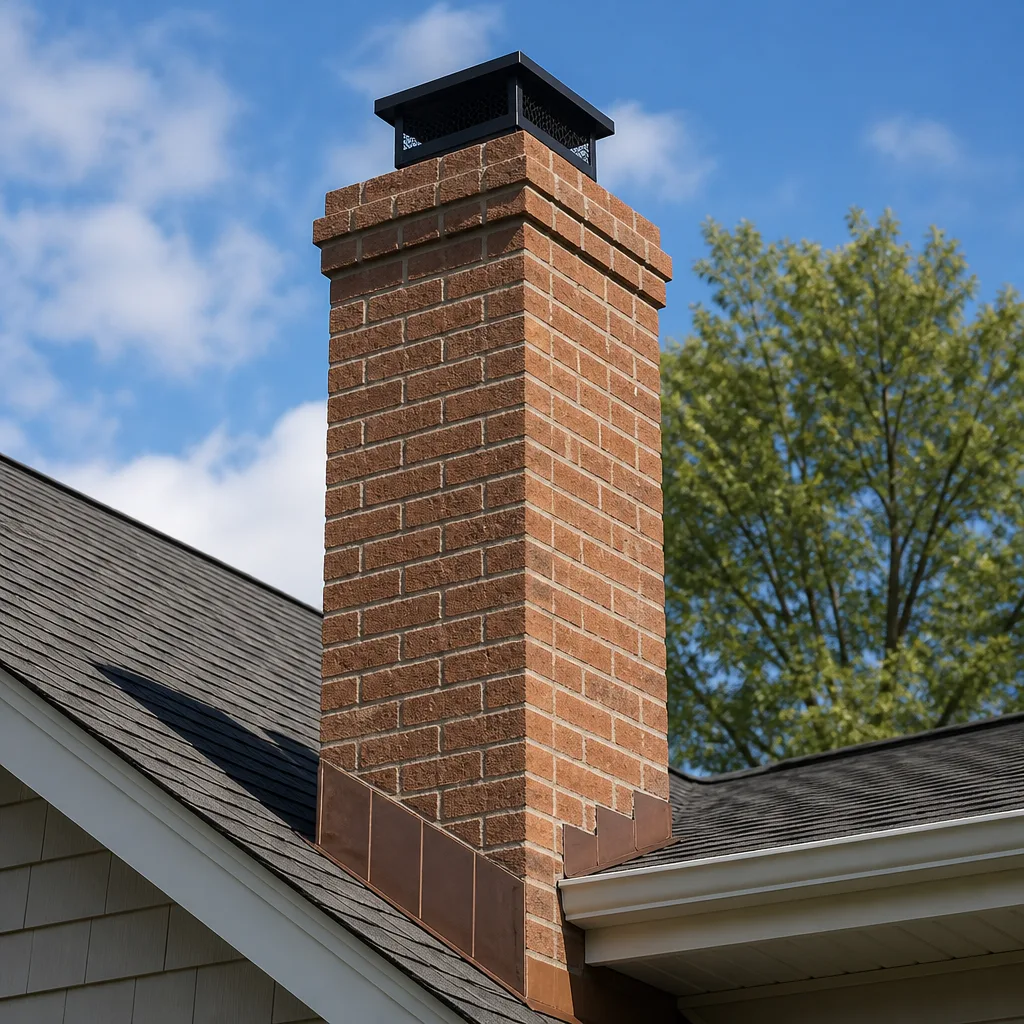 Masonry repair
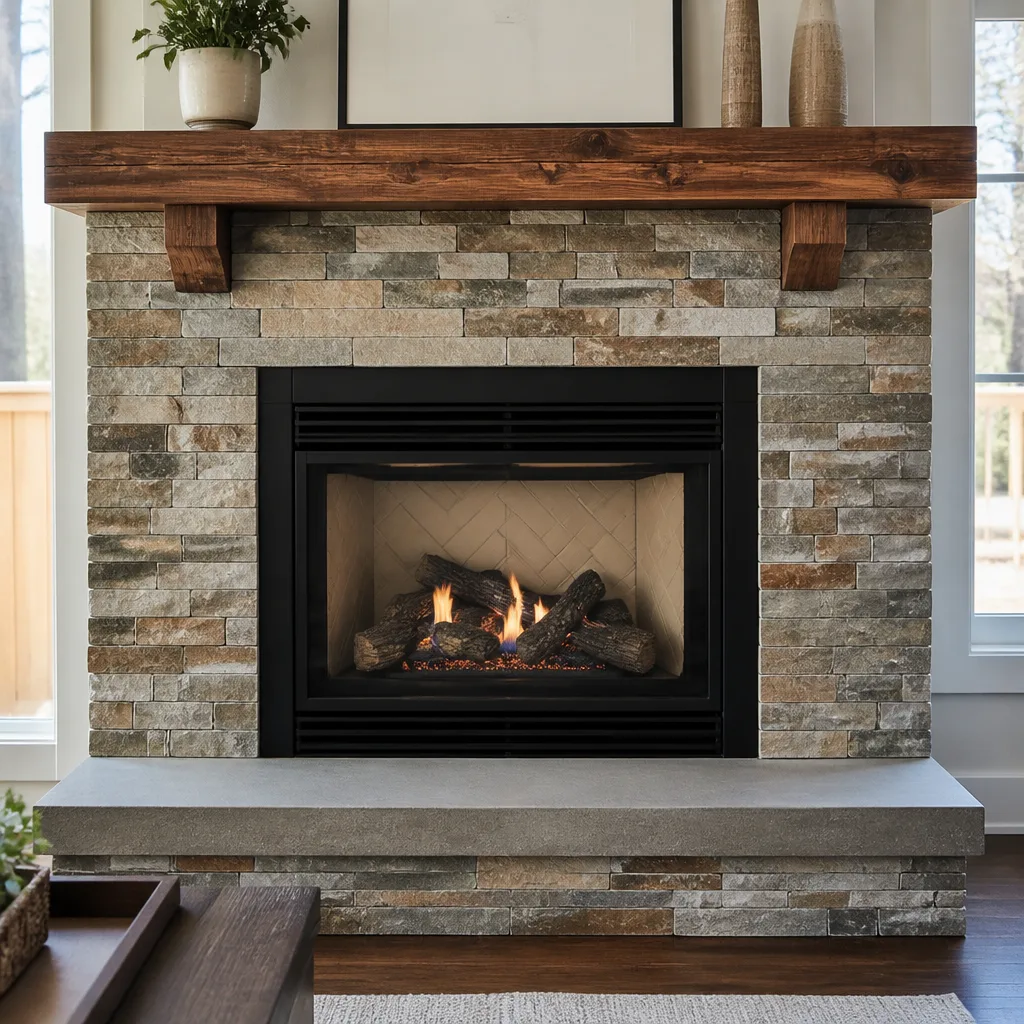 Gas fireplace service
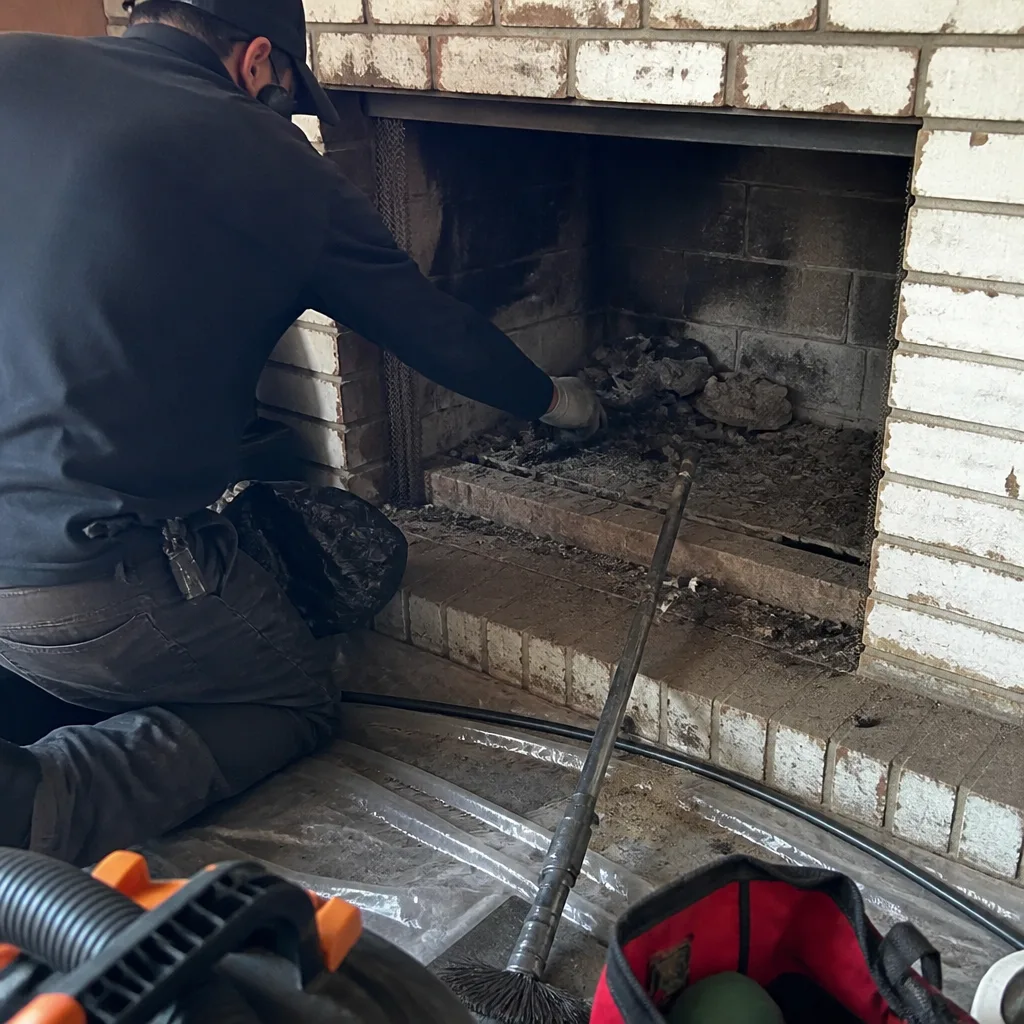
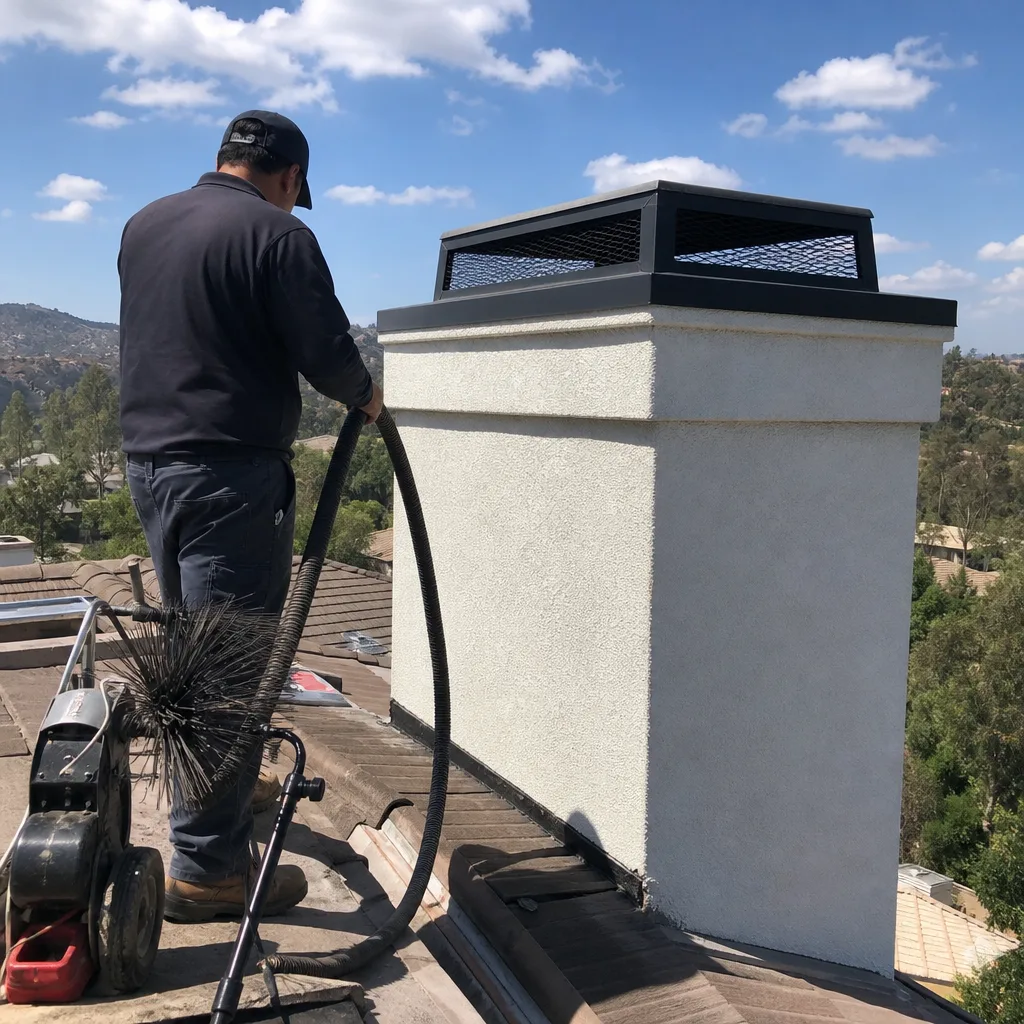
Level 1 sweep and inspection to the NFPA 211 annual standard - flue, crown, cap, and flashing checked and photographed
Chimney sweep logs do not sweep chimneys. They loosen some creosote - which then falls where a brush and vacuum still have to collect it.
How to Hire a Chimney Cleaning Contractor in Chino Hills: A Step-by-Step Guide
California doesn’t license chimney sweeps the same way it licenses plumbers or electricians. There’s no state board exam, no mandated apprenticeship, no licensing number to verify. A person with a truck, a set of brushes, and a Yelp page can call themselves a chimney professional in Chino Hills tomorrow. That means the burden of vetting falls entirely on you: the homeowner who just wants a safe fireplace and an honest answer about the condition of the flue. This guide gives you the specific screening criteria that separate competent tradespeople from one-and-done cleaners in the Chino Hills market so you can hire with confidence the first time.
Styles & brands we work with
- Sweep & inspection
- Caps & crowns
- Flue relining
- Masonry repair
- Gas fireplace service
Quick Answer
To hire a chimney cleaning contractor in Chino Hills, verify CSIA or NFI certification directly through the issuing organization, require proof of general liability and workers’ compensation insurance (ask for a certificate of insurance, not a verbal “we’re covered”), and demand a written scope of work with itemized pricing before any brush touches your flue. Avoid any contractor who quotes unusually low flat rates, cannot name the liner or cap brands they install, or pushes repairs without showing you photographic evidence. A standard chimney sweep in Chino Hills costs between $180 and $350, and the entire appointment including inspection should take 60 to 90 minutes.
Table of Contents
- Why California’s Licensing Gap Matters for Chino Hills Homeowners
- Certifications That Actually Matter: CSIA and NFI, Verified Independently
- Insurance Requirements: What to Ask For and Why Verbal Confirmation Isn’t Enough
- Quotes and Estimates: Red Flags That Signal Trouble
- Questions About Brands and Materials: The Tell That Separates Pros From Pretenders
- How to Evaluate Reviews Critically: What Real Feedback Looks Like
- Chino Hills-Specific Considerations: Climate, Construction, and Fire Season
- Common Mistakes to Avoid
- When to Call a Professional
- Frequently Asked Questions
- The Bottom Line
Why California’s Licensing Gap Matters for Chino Hills Homeowners
The California Contractors State License Board doesn’t recognize chimney sweeping as its own contractor classification. Chimney work falls under general categories like C-61 limited specialty or D-34 prefabricated equipment, but plenty of sweep-only operators in Chino Hills work without any CSLB classification at all because basic sweeping is treated as maintenance rather than construction. What this means in practice: a homeowner in Chino Hills who hires the wrong person has no state consumer-protection framework to lean on when the job goes sideways.
Contrast that with the licensed trades. A plumber must pass an exam, carry a bond, and answer to a state board. A chimney sweep? Not so. The gap means you, the homeowner, become the de facto licensing authority. You need to know what questions to ask and what documentation to demand because nobody else is going to do it for you.
Here’s the counterintuitive part: the lack of state oversight means legitimate Chino Hills chimney professionals have to differentiate themselves through third-party credentials, documented insurance, and transparency that the state would otherwise enforce. A good contractor in this market will volunteer their CSIA number before you ask. A bad one will deflect with “we’ve been doing this for 20 years” as if longevity is a credential.
In our experience, the homeowners who get burned in Chino Hills are the ones who treat chimney cleaning like gutter cleaning: something any handyman can knock out in an afternoon. It’s not. The flue is a contained vertical passage in your home that handles combustion byproducts at several hundred degrees, and the consequences of shoddy work include chimney fires, carbon monoxide intrusion, and structural damage that can run into five figures to correct.
Certifications That Actually Matter: CSIA and NFI, Verified Independently
Two credentials carry real weight in the chimney industry: CSIA (Chimney Safety Institute of America) and NFI (National Fireplace Institute). Neither is a rubber stamp. Both require passing proctored exams that test actual knowledge of fire codes, clearance requirements, flue dynamics, and combustion safety.
CSIA is the older and more recognized of the two for sweeping and inspection work. A CSIA-certified chimney sweep has demonstrated competency in the mechanics of sweeping, but also in identifying the structural and safety issues that sweeping reveals. The certification has to be maintained through continuing education, which means a CSIA credential isn’t a lifetime free pass. NFI certification focuses more on the appliance side: gas fireplace installation, wood stove systems, and venting. A contractor who holds both has covered both the chimney structure and the appliances that connect to it.
But here’s the catch, and it’s one most hiring guides gloss over: anyone can type “CSIA certified” into a website bio. The credential is only as good as your ability to verify it. The CSIA website has a public directory of certified sweeps searchable by zip code. You can check whether a Chino Hills contractor’s name actually appears there in under two minutes, and you should. A professional who genuinely holds the certification will never be offended by a verification request. In fact, most will proactively offer the information.
Questions to ask over the phone:
- “What’s your CSIA certification number?” A real one has a number. A fake one hesitates.
- “Are you NFI certified for any specific fuel type, like wood or gas?”
- “When did you last complete continuing education, and through which provider?”
Don’t accept a general “we’re fully certified” without specifics. The certification landscape exists precisely because uncredentialed operators have been doing substandard work for decades. If a Chino Hills contractor can’t produce a verifiable credential, that’s your first signal to keep looking.
Insurance Requirements: What to Ask For and Why Verbal Confirmation Isn’t Enough
Chimney work involves working on rooftops, running power tools inside your home, and creating soot and creosote that can stain interior surfaces if mishandled. If an uninsured contractor falls off your roof or damages your carpet, the claim lands on your homeowner’s insurance. That’s not a hypothetical risk; it’s the reason legitimate Chino Hills chimney companies carry real coverage.
Two insurance types matter for chimney work:
- General Liability (GL) coverage: protects against property damage caused by the contractor. If a brush scratches your mantle or a vacuum blows soot across your white sofa, GL covers the repair or replacement.
- Workers’ Compensation coverage: protects you from liability if a worker is injured on your property. In California, workers’ comp is mandatory for any company with employees, but plenty of small operators misclassify workers as independent contractors to avoid the cost.
Minimum coverage to ask for: $1 million in general liability, and workers’ comp coverage that meets California state requirements. But don’t stop at asking. Request a certificate of insurance, commonly called a COI, which the insurance company issues directly and lists the policy holder, coverage amounts, and expiration dates. A verbal “yeah, we’re insured” means nothing. A PDF in your inbox from the agent means something.
In Chino Hills, where homes on the east side of the 71 back up against steep hillside lots, roof access is often trickier than in flat suburban tracts. That’s another reason insurance matters: the physical risk on those multi-story rooflines is real, and you want the contractor’s policy to absorb it, not yours.
Quotes and Estimates: Red Flags That Signal Trouble
Pricing for chimney cleaning in Chino Hills follows a predictable range. A standard sweep involving one flue, a rooftop and firebox inspection, and a basic safety check runs between $180 and $350. Add-ons like a chimney cap replacement, waterproofing treatment, or a video inspection will push the total higher. If you get a quote well below that range, you’re not getting a deal. You’re getting a signal about what kind of work will actually be performed.
Red flags to watch for in quotes and estimates:
- Unusually low flat-rate pricing. If someone offers to sweep your chimney for $79, ask what that price includes. It probably doesn’t include a rooftop inspection, a proper firebox assessment, or any documentation. It might not even include bringing a ladder.
- Refusal to provide a written scope of work. A professional estimator in Chino Hills will detail what’s being done, what condition the flue is in, and what materials are being used. A verbal quote with no written documentation means there’s no record of what was promised when things go wrong.
- Pushing repairs without photographic evidence. This is the big one. Any contractor recommending a liner replacement, a masonry repair, or a cap installation should be able to show you, on a camera screen or in photos, exactly what condition is causing the recommendation. We show our customers what we find before we recommend what to fix. It’s the only way a homeowner can make an informed decision about work that ranges from hundreds to thousands of dollars. A contractor who says “it’s all cracked, you need a new liner” but can’t show you the crack does not deserve your money.
- Scope creep during the job. The price grows by the hour while the work is being done. The $250 sweep becomes a $900 restoration before the technician has pulled the last brush through. A legitimate contractor will identify potential issues during the sweep, document them, and present you with a separate quote for your approval. No surprise work while the tarps are down.
If you’re in Chino Hills and a quote feels off, get a second one. The market has enough qualified contractors that you can compare pricing and documentation standards easily, and the contrast between a professional operator and a cut-rate cleaner becomes obvious fast.
Questions About Brands and Materials: The Tell That Separates Pros From Pretenders
Here’s a question most homeowners never think to ask: “What brand of liner would you install, and why?” The answer reveals more about a contractor than any Google review.
Reputable chimney professionals build their repair and restoration work around specific product lines because they’ve tested them, installed them repeatedly, and know which applications they suit. A contractor who works with professional-grade brands like DuraFlex for flexible liner systems and HeatShield for resurfacing damaged flues can tell you exactly why those materials work in specific situations. Someone who says “we use whatever’s available” or can’t name a single manufacturer is telling you they’re buying the cheapest option at the supply house that morning.
When you’re discussing repair work, listen for these tells:
- Can the contractor explain when a rigid liner is appropriate versus a flexible liner? Flexible liners from manufacturers like DuraFlex are often the only option for flues with offset construction or complex paths, but a contractor should be able to explain why one is being recommended for your specific chimney.
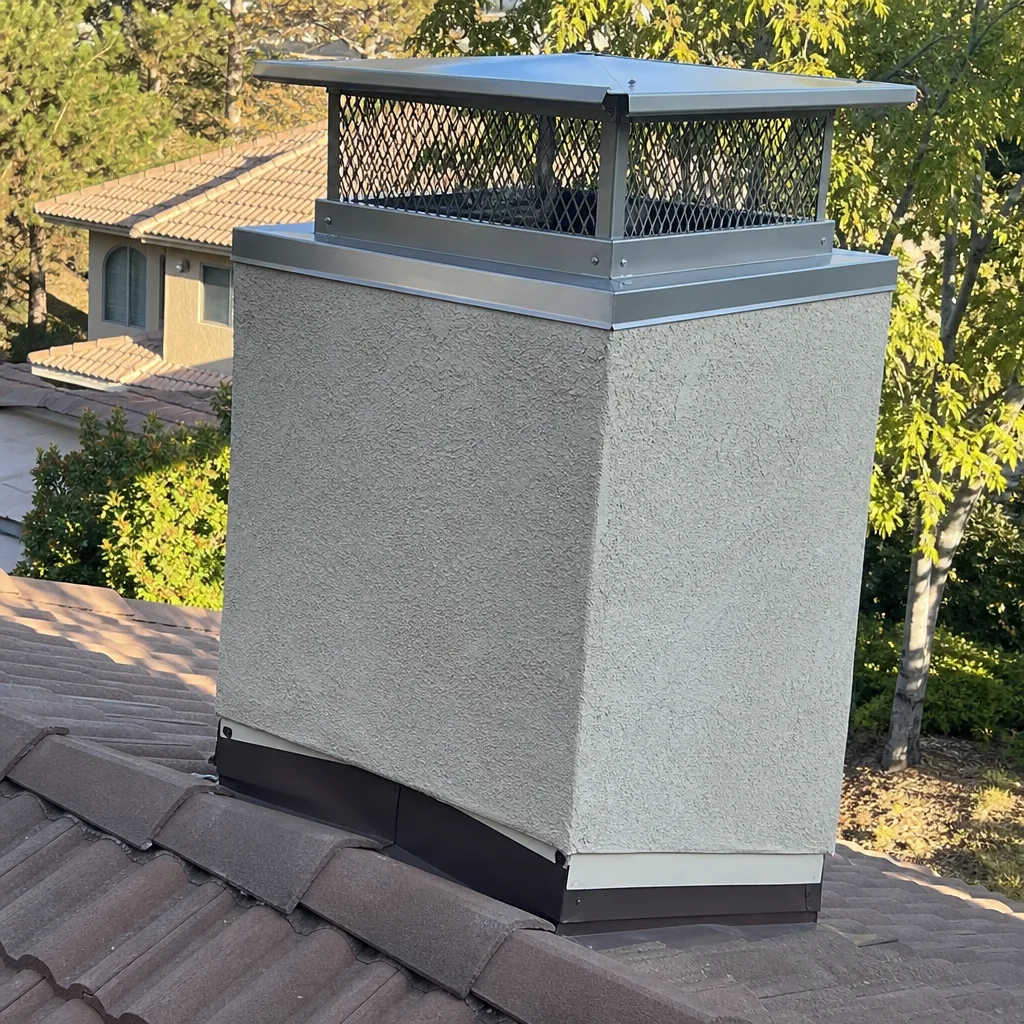
- Does the contractor name cap and chase cover manufacturers? Professional-grade caps from Famco or Copperfield are built from heavier gauge stainless steel than the big-box hardware store versions and have standardized dimensions for proper fit. A pro will know which one your chase requires by measurement, not guess.
- For interior flue damage that doesn’t require a full reline, does the contractor mention resurfacing systems like HeatShield? This is a specific repair methodology that seals and restores damaged flue surfaces rather than replacing the whole liner, and only trained applicators install it. Its absence from a conversation about liner repair can mean the contractor simply doesn’t have access to it.
None of this means every chimney repair requires these specific brands. But a professional who can name their preferred product lines is anchored in a supply chain and a set of trade relationships that a sweep-only operator with a pickup truck doesn’t have. That’s a meaningful difference when the conversation shifts from a $250 cleaning to a multi-thousand-dollar restoration.
How to Evaluate Reviews Critically: What Real Feedback Looks Like
Online reviews are the first filter most Chino Hills homeowners use, but most people read them the wrong way. The goal isn’t to find a contractor with no negative reviews; it’s to identify what the negative reviews reveal and whether the positive ones look earned.
Authentic negative reviews have specificity. A legitimate complaint says “the technician left soot marks on my hearth and didn’t clean up the drop cloth properly” or “they were two hours late and didn’t call.” Those are real operational failures described with enough detail that you can picture them. What they reveal is a company that sometimes drops the ball on the basics, which is useful information even if the company’s overall score is strong.
Suspicious negative reviews are vague, emotional, or disproportionate. “Worst company ever, don’t use them” with no further description is a red flag, either of a competitor or a customer who was quoted for necessary repairs and took it personally.
Authentic positive reviews also have texture. “They showed me the camera feed from inside the flue and explained what the white staining meant” is a real review. A stream of five-star reviews that all say some version of “great service, friendly technician, would recommend” repeated across multiple contractors in the same area, that’s a review-farm pattern, and it’s more common in the chimney trade than most homeowners realize.
Look for these markers in the review pattern of a Chino Hills chimney company:
- Do reviews mention documentation, photos, or video inspections? That signals a company whose process is transparent.
- Do any reviews mention the names of specific technicians or describe the work in technical terms? That’s the difference between a real customer and a template.
- Are there mid-range reviews, like three and four star, that describe minor issues? A perfect 5.0 average with 200 reviews is statistically less credible than a 4.8 with mixed but honest feedback.
Chino Hills isn’t a huge market, which means review counts will be lower than Los Angeles or Orange County. That’s fine. A contractor with 25 detailed, specific reviews is more trustworthy than one with 200 generic five-star listings.
Chino Hills-Specific Considerations: Climate, Construction, and Fire Season
Chino Hills has a particular climate and housing stock that shape chimney care in ways that don’t apply to coastal California or the desert. First, the hills: Chino Hills sits in the Chino Hills range, with significant elevation changes across neighborhoods like Butterfield Ranch, Los Serranos, and Vila Borba. Homes on hillside lots are more exposed to wind-driven rain, which means chimney crowns and caps take more weather abuse than in flat areas. It’s also more physically demanding work to access a roofline on a three-story hillside home, which is why a contractor working in Chino Hills needs to be equipped for steep-roof access, not just typical residential rooflines.
Second, the Santa Ana wind season matters. Chino Hills gets strong Santa Ana winds in the fall and early winter, winds that can push embers from unswept chimneys into dry brush. Southern California’s wildfire risk puts a premium on proper chimney maintenance because a chimney fire in a Santa Ana event isn’t contained to the flue; it spreads. A professionally swept chimney with a correctly installed spark arrestor cap is a meaningful fire mitigation measure for Chino Hills homes, especially in the wildland-urban interface areas on the city’s eastern and southern edges.
Third, the housing stock here is relatively young compared to other parts of the country. Many Chino Hills homes date to the 1980s and 1990s, which means their prefabricated fireplace systems are approaching the end of their design life. Prefab chimneys and wood-burning fireplaces from that era often have specific clearance and component requirements that differ from masonry chimneys, and not every sweep is equipped to assess them properly. This is where the inspection portion of a chimney cleaning in Chino Hills becomes genuinely important; the difference between a prefab unit in good shape and one with a compromised chase can be invisible from the outside but documented clearly with a proper camera inspection.
Common Mistakes to Avoid
- Hiring based on the lowest price without verifying what’s included. The $79 Chino Hills special is a lead-generation tactic, not a real service. By the time the technician arrives, the “required” repairs push the bill to $800. A legitimate sweep costs $180 to $350, and the price reflects the work actually being done.
- Believing a verbal insurance confirmation. “We’re fully insured” is what every uninsured contractor says. Request a certificate of insurance from the agency. If it doesn’t arrive within a day, you have your answer.
- Skipping the chimney inspection because the fireplace “works fine.” A working fireplace and a safe chimney are different things. Creosote buildup accumulates invisibly in the flue, and by the time it’s visible at the firebox level, the buildup is already significant. In Chino Hills, seasonal fireplace users should have an annual sweep and inspection regardless of how clean the firebox looks.
- Accepting repair recommendations without visual proof. Liners crack, flue tiles break, and chase covers rust. All of it is documentable with a camera. If a contractor recommends a $3,000 repair and can’t show you a photo of the problem, that recommendation is unearned.
- Ignoring the dryer vent because it’s a separate system. The dryer exhaust is a secondary vent that runs through your home and handles hot, lint-laden air. Lint buildup is the leading cause of residential dryer fires in the U.S., and it’s one of the most overlooked home fire risks. A full-service chimney company in Chino Hills that also handles dryer vent cleaning lets you address both under one appointment.
- Waiting until fire season to book. The smart time to sweep a chimney in Chino Hills is late summer or early fall, before the first fireplace use of the season and before the Santa Ana winds arrive. Contractors book up fast once the first cold snap hits, and the seasonal crunch means rushed work.
- Choosing a sweep-only operator when your flue has known damage. A basic sweep can clean a damaged flue but can’t fix it. If you already know from a previous inspection that your liner has issues, you need someone with HeatShield resurfacing or relining capability, not a brush-on-a-rope operation.
When to Call a Professional
Some home maintenance tasks tolerate a YouTube tutorial and a weekend afternoon. Chimney work doesn’t. If you notice a strong smoky smell in the home even when the fireplace isn’t in use, visible creosote buildup on the firebox walls, water staining on the ceiling near the chimney chase, or any sign that animals have nested in the flue, the issue has moved beyond routine maintenance and into safety correction. The same applies to homes where the fireplace hasn’t been swept in more than two years, or where you’ve recently purchased a home in Chino Hills with no documented chimney inspection history. For a thorough chimney sweep and inspection in Chino Hills, call (877) 358-0941. Estimates are free, and you’ll get a written scope of work before any brush goes up the flue.
Frequently Asked Questions
A standard chimney sweep in Chino Hills costs between $180 and $350 for a single flue, including the rooftop and firebox inspection. The price varies based on chimney height, roof access difficulty, and whether any specialized equipment is needed for prefab fireplace systems. Any quote significantly below that range should raise questions about what’s actually being included. Call (877) 358-0941 for a specific quote for your home’s system.
The standard recommendation is once per year for any fireplace that gets regular seasonal use, or every 50 to 60 fires, whichever comes first. In Chino Hills, where fireplace use clusters in the winter months and the Santa Ana season raises fire-risk stakes, annual sweeping before the first burn of the season is the safest practice. Homes that burn unseasoned wood or use the fireplace as a primary heat source may need more frequent service.
Creosote, a highly flammable byproduct of wood combustion, builds up inside the flue with every fire. Enough buildup can ignite inside the chimney, and a chimney fire burns hot enough to crack flue tiles, warp metal liners, and spread to the home’s framing. Long-term neglect also leads to moisture intrusion, which damages masonry and prefab components slowly and expensively. The repair costs from a neglected chimney run far higher than a decade of annual sweep charges.
A new liner is only needed when the existing one has failed: cracks, gaps, spalling, or corrosion that compromise the flue’s ability to contain combustion byproducts. In some cases, resurfacing systems like HeatShield can restore a damaged liner without full replacement. In others, a flexible DuraFlex reline is the correct fix for complex flue paths. Before approving any liner work, ask to see the camera footage showing the damage. Legitimate recommendations come with photographic proof.
Go to the CSIA website and search their certified professional directory by zip code. Chino Hills falls under the 91709 zip code. If the contractor’s name appears in the directory, the certification is real. For NFI certification, the National Fireplace Institute maintains a similar lookup tool. A two-minute search beats taking anyone’s word for it.
Yes, if the company offers both services. Lint accumulation in dryer exhaust vents is the leading cause of residential dryer fires in the United States, and the vent runs through interior walls where a fire spreads quickly. Bundling dryer vent cleaning in Chino Hills with an annual chimney sweep is an efficient way to address both major venting systems in a single appointment, one provider, no added scheduling friction.
The Bottom Line
Hiring a chimney contractor in Chino Hills comes down to verification, not vibes. The state won’t do the licensing work for you, so you verify certification through CSIA or NFI directories yourself. You don’t take insurance on someone’s word; you get the certificate. You don’t accept repair recommendations without camera evidence, and you don’t accept pricing without a written scope. The contractors who pass this filter, who name their product brands, who show you the flue on screen before they touch it, those are the ones worth your money. For a full-service chimney sweep in Chino Hills, from routine maintenance to liner repair and dryer vent safety, call (877) 358-0941. We’ll show you what we find before we recommend what to fix.
Written by the team at Chimney Sweep Chino Hills, serving Chino Hills since 2017.
See the difference
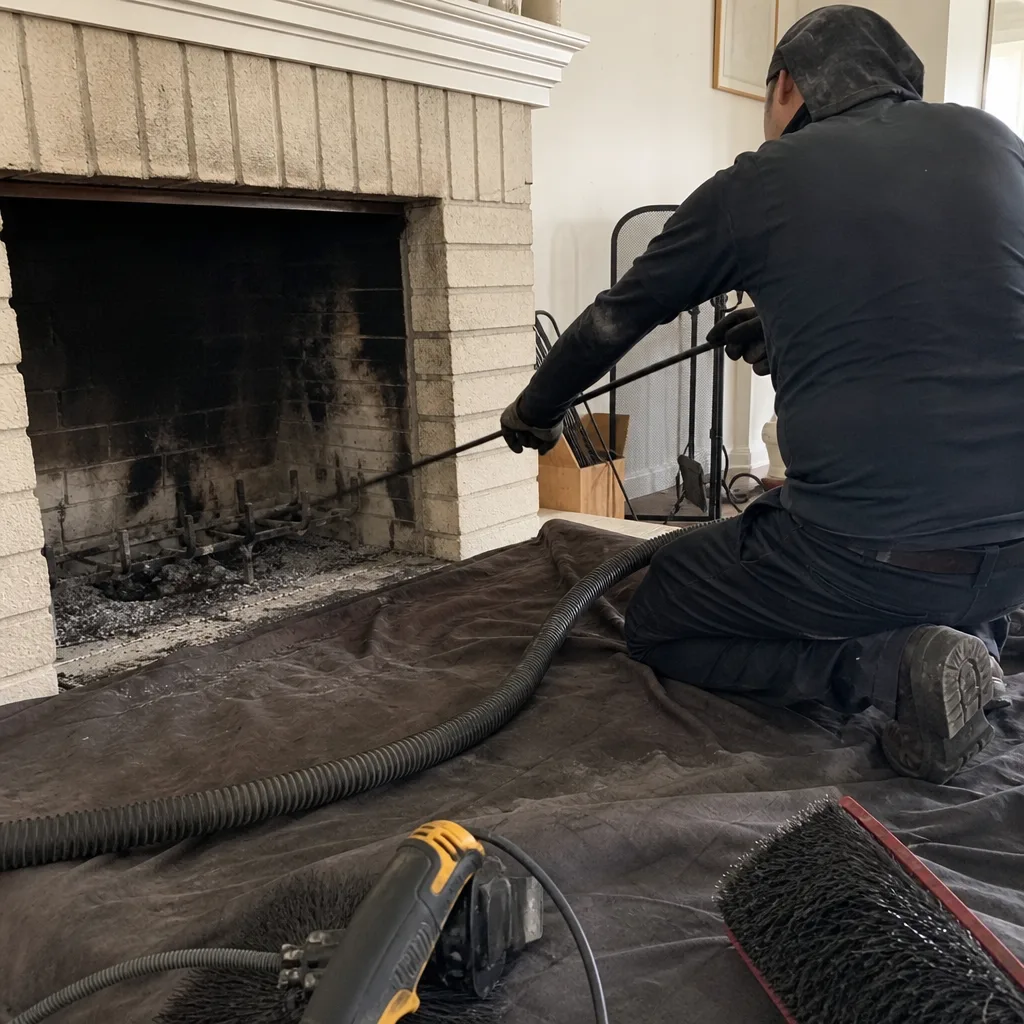 Before
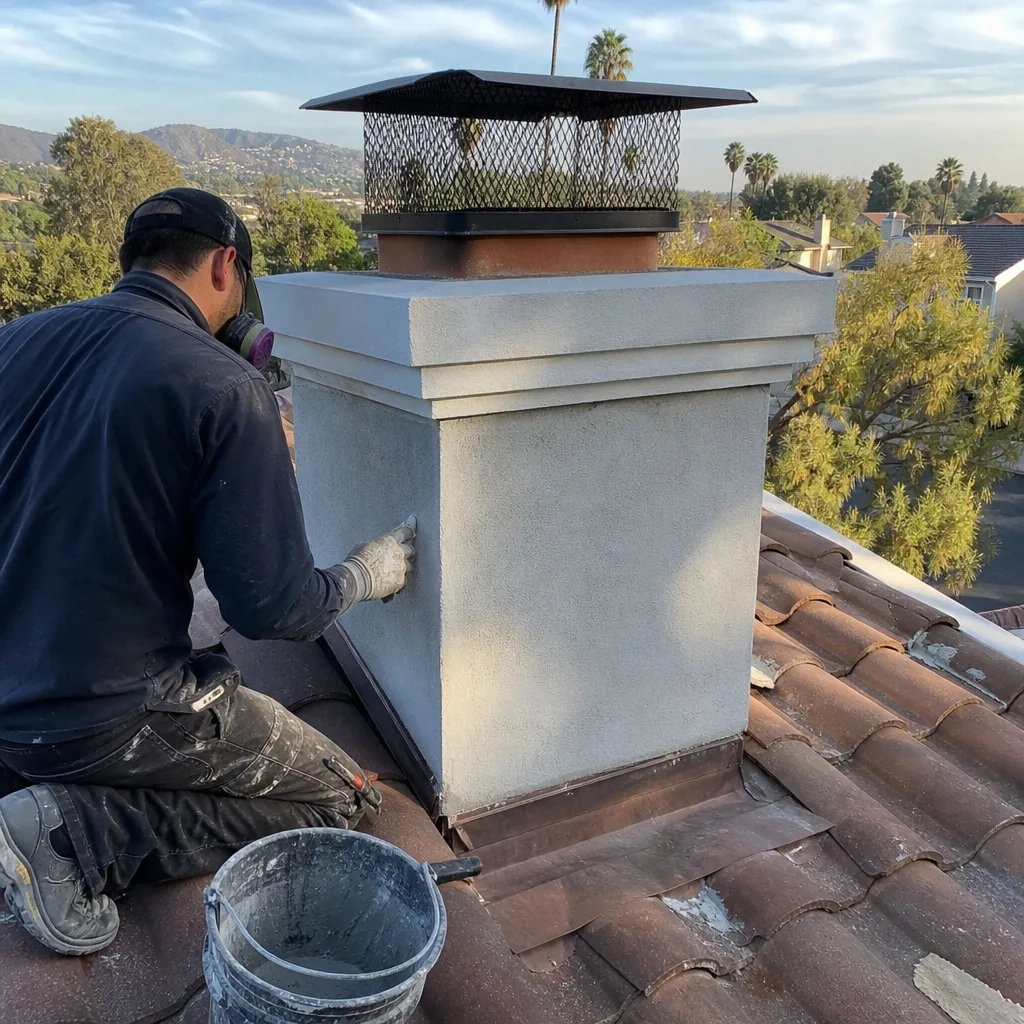 After
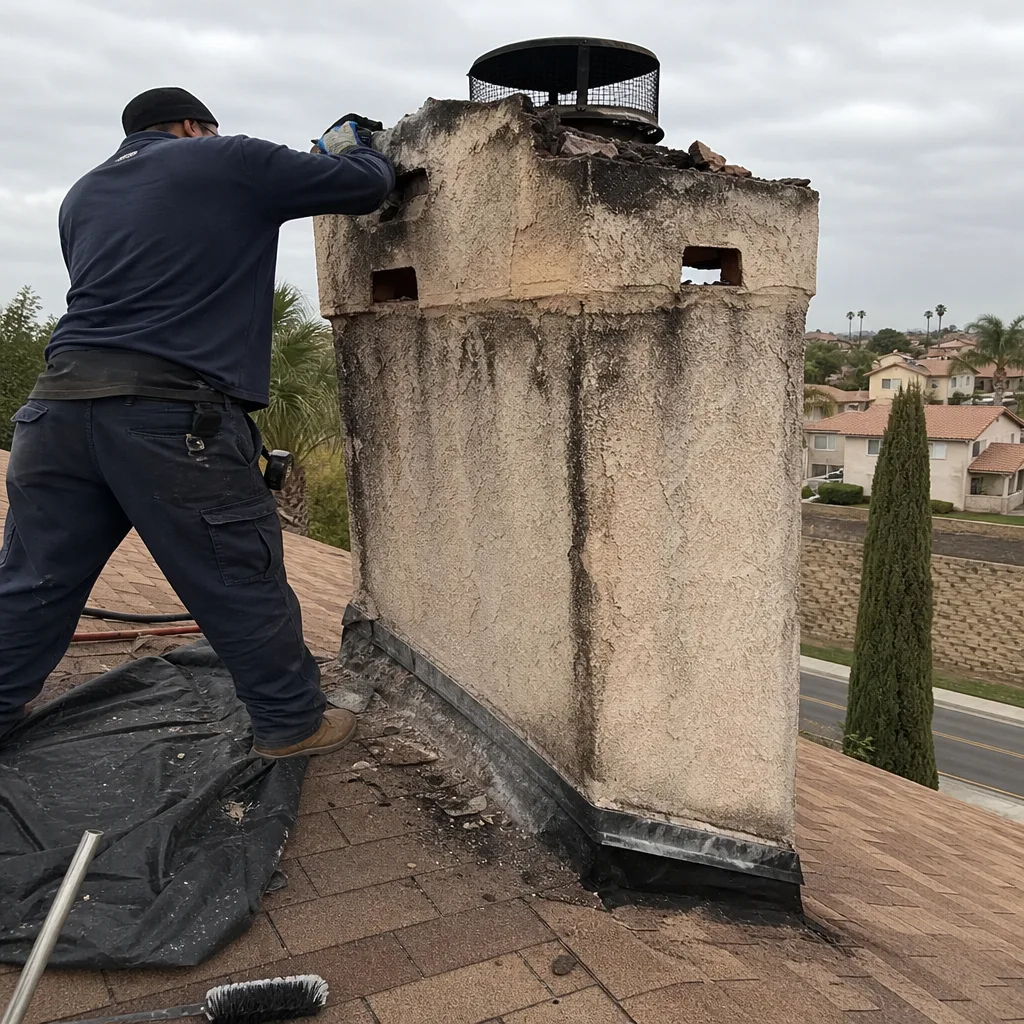 Before
 After
 Before
 After